How to use Malwarebytes Anti-Malware to scan and remove malware from your computer
Learning how to use Malwarebytes Anti-Malware is one of the most effective steps you can take to clean a compromised computer and protect yourself against future threats. Malwarebytes is highly regarded for its ability to detect and quarantine aggressive malware, ransomware, and Potentially Unwanted Programs (PUPs) that traditional antivirus software might miss. This guide walks you through the straightforward process of how to use Malwarebytes to restore your PC to a secure state.
Download and Install Malwarebytes
Before you learn how to use Malwarebytes for scanning, you need to get the software.
Prepare Your System for Scanning
For maximum effectiveness when learning how to use Malwarebytes for removal, preparing your system is key.
How to Use Malwarebytes to Run a Scan
With your system prepared, you can now run the core function of the program.
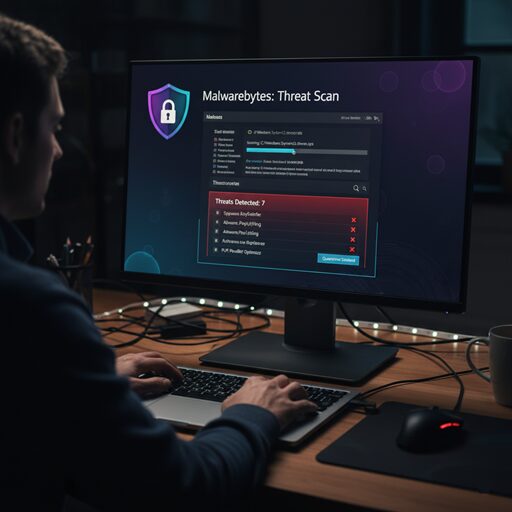
Review and Quarantine Detected Threats
Once the scan is complete, this step is vital for understanding how to use Malwarebytes to eliminate the malware.
Restart and Re-scan
A system restart is often required to finalize the removal of threats that were running in memory.
By following these steps, you will master how to use Malwarebytes to maintain a clean and secure computing environment.
As you may have noticed, MalwareBytes or MBAM, is used in a lot of our removal guides. We do this no reason other than the fact that the program simply works well and that we can count on it to remove what it says it can. It is updated antly throughout the day and has excellent protection on all the new malware that comes out. With that said, we feel that MalwareBytes is an important tool to have as part of your computers security arsenal. One of the programs nicest features is that it is free and easy to use. those, who may want more advanced features you can this topic at the Malwarebytes site.
How to use Malwarebytes Anti-Malware
To effectively utilize Malwarebytes Anti-Malware for scanning your computer, you first need to download and install the application. The installation process is straightforward and user-friendly. Once installed, launch the application and navigate to the “Scan” tab. Here, you have the option to select different scanning modes, including Quick Scan, Full Scan, and Custom Scan. The Quick Scan is usually sufficient for identifying common threats, while the Full Scan provides a comprehensive check of your entire system. The Custom Scan allows you to choose specific folders or drives to scan, which can be particularly useful if you suspect that a particular area of your system is compromised. How to use Malwarebytes!
After selecting your preferred scan type, click on the “Scan Now” button. The software will begin scanning your computer for malware, adware, and other potentially unwanted programs. During this process, it’s important to allow Malwarebytes to run uninterrupted, as this ensures a thorough examination of your system. Once the scan is complete, Malwarebytes will present you with a detailed report of the detected threats, including their locations and severity levels. You can then choose to quarantine or remove the identified malware with a simple click of the button.
Troubleshoot Malwarebytes Anti-Malware
If you encounter any issues while using Malwarebytes Anti-Malware, there are several troubleshooting steps you can take. First, ensure that your software is updated to the latest version, as updates often include important fixes and improvements. If the application fails to start, try restarting your computer and launching the program again. In some cases, conflicts with other security software can impede Malwarebytes’ functionality. If you have other antivirus programs installed, consider disabling them temporarily to see if that resolves the issue.
Additionally, if Malwarebytes detects threats but cannot remove them, you may need to run a scan in Safe Mode. Safe Mode loads only the essential components of your operating system, which can help Malwarebytes effectively remove stubborn malware. To enter Safe Mode, restart your computer and press the F8 key before Windows begins to load, then select “Safe Mode with Networking” from the menu that appears. Once in Safe Mode, run Malwarebytes again and follow the same scanning and removal process.
Malwarebytes Anti-Malware is a powerful tool that allows users to protect their computers from a wide range of threats. Regularly scanning your system can help ensure that it remains free from malware and other harmful software. It is advisable to perform routine scans, especially after downloading unfamiliar software or visiting untrusted websites. By incorporating Malwarebytes into your regular maintenance routine, you can significantly enhance your computer’s security posture.
Moreover, the importance of user education cannot be overstated. Understanding the types of malware and their behaviors can empower users to avoid risky online activities that may lead to infections. Familiarizing yourself with best practices, such as not clicking on suspicious links and downloading software only from reputable sources, is crucial in maintaining a secure computing environment.
Finally, consider joining the Malwarebytes community forums where you can find additional support, share experiences, and stay updated on the latest threats and software developments. Engaging with other users can provide valuable insights that enhance your understanding of cybersecurity and malware prevention. In summary, Malwarebytes Anti-Malware is not only effective in removing existing malware but also plays a vital role in preventing future infections. By following the guidelines outlined above, you can ensure that you are making the most of this powerful tool. Remember, cybersecurity is an ongoing process, and staying informed is key to protecting your digital life.