Situational awareness training

Situational awareness training

In today’s fast-paced and complex world, the ability to perceive, comprehend, and project future events is not just a skill—it’s a critical safety imperative. Situational awareness training is the structured process of teaching individuals and teams how to move beyond simply seeing their environment to actively understanding it. This specialized training is essential across all high-stakes sectors, from military operations and aviation to corporate security and everyday personal safety. Investing in situational awareness training empowers people to identify potential threats, make timely decisions, and significantly reduce the likelihood of accidents or security incidents.


What Defines Effective Situational Awareness Training?

Situational awareness (SA) is broken down into three core levels, all addressed within effective situational awareness training:

  • Perception (Level 1): The ability to notice relevant cues in the environment (e.g., seeing an unlatched gate or a person behaving suspiciously).
  • Comprehension (Level 2): The ability to understand the significance of those cues (e.g., recognizing that an unlatched gate near a restricted area is a security risk).
  • Projection (Level 3): The ability to forecast the likely future status of the environment based on the cues and your comprehension (e.g., predicting that if the gate is not secured, unauthorized access is imminent).

Effective situational awareness training uses simulations, case studies, and practical exercises to improve a person’s ability to cycle quickly through these three levels.


Why Corporate and Personal Security Needs Situational Awareness Training

For businesses and individuals, the benefits of comprehensive situational awareness training extend far beyond basic safety:

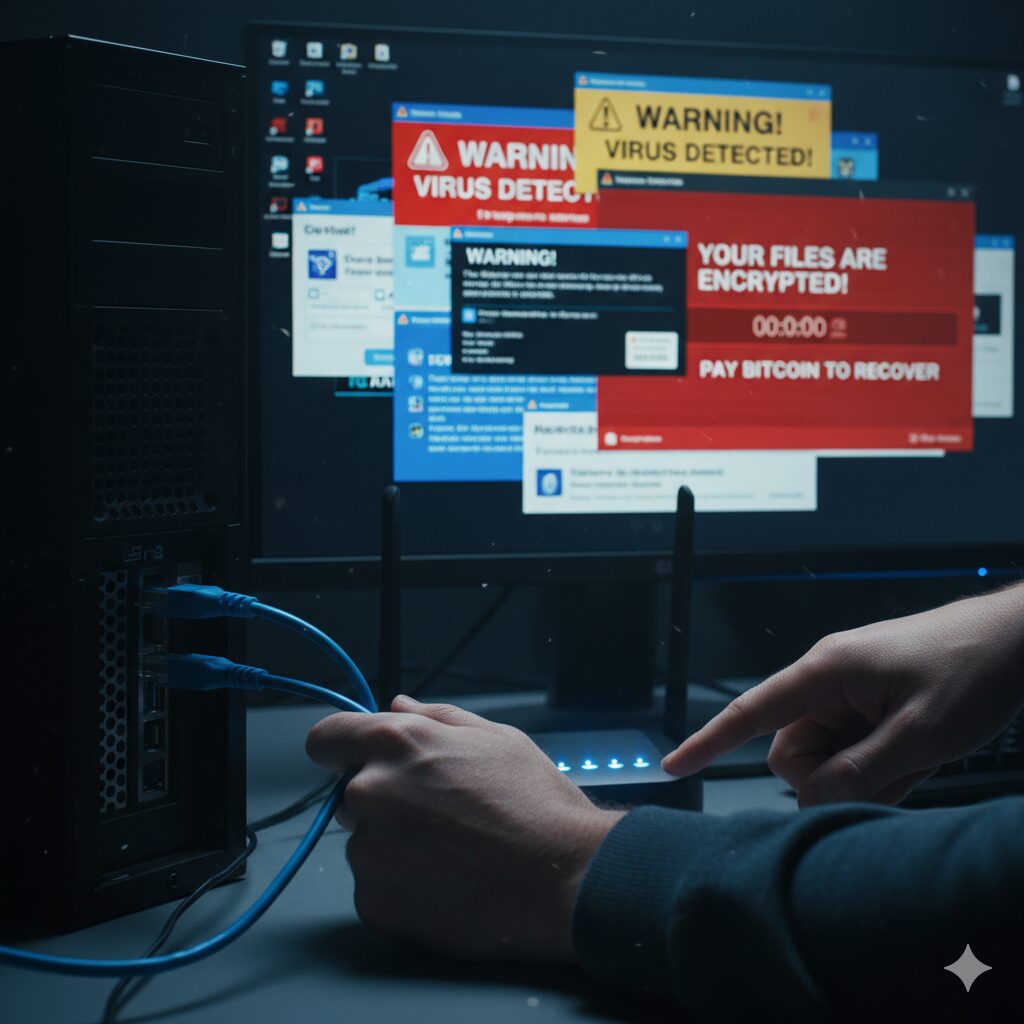
  • Cyber Security: Employees trained in SA are better at spotting phishing attempts, tailgating in secure areas, and unusual digital activity—defenses that firewalls cannot provide.
  • Workplace Safety: In operational environments (factories, construction sites), situational awareness training reduces human error by ensuring workers are constantly aware of machine status, material handling, and the movements of colleagues.
  • Travel Risk Management: Individuals traveling domestically or internationally benefit immensely from situational awareness training to quickly assess threats, identify safe zones, and recognize pre-attack indicators.
  • Enhanced Decision-Making: By reducing the mental “tunnel vision” that occurs under stress, the training helps maintain cognitive function, leading to better, less panic-driven decisions during a crisis.

Implementing Successful Situational Awareness Training

A successful situational awareness training program is not a one-time lecture. It requires ongoing reinforcement and real-world application. Key components include:

  • Realistic Scenario Simulations: Using technology (like VR) or physical role-playing to place individuals in high-stress, decision-critical situations.
  • Threat Pattern Recognition: Teaching participants to recognize common pre-incident indicators and attack methodologies (e.g., recognizing a hostile surveillance pattern).
  • Cognitive Load Management: Training individuals to maintain a high level of awareness without becoming overwhelmed or paralyzed by too much information.

By making situational awareness training a continuous organizational priority, companies and individuals can transition from a reactive posture to a proactive and resilient state, ensuring safety and optimizing performance when it matters most.

Situational awareness training is a process that enables individuals and groups to better understand their environment and use this information effectively. This training is of critical importance, especially in the fields of security, emergency management, and defense. The importance of this type of training has increased even more in the years 2025-2026. In this article, we will discuss the basics, application areas, and current trends of situational awareness training.

What is Situational Awareness?

Situational awareness training

Situational awareness is the understanding of events occurring in an individual’s environment and the potential impact of these events. This concept plays a critical role, especially in the fields of emergency management and security.

Basic Components

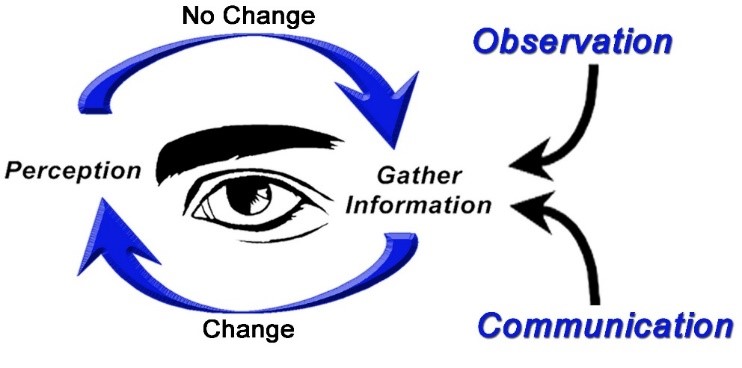
Situational awareness consists of three basic components: perception, comprehension, and projection. Perception is the process of observing the environment; comprehension is making sense of these observations; and projection is predicting future events.

Importance

Especially in areas such as military and civil air transportation, situational awareness increases the ability to respond quickly and effectively to events. This can become a life-saving skill.

Situational Awareness Training Methods

Situational awareness training can be carried out through various methods. These methods help participants better understand the information.

Simulations

Simulations allow participants to develop their skills by presenting scenarios that mimic real-life situations. They are widely used, especially in emergency scenarios.

Workshops

Workshops allow participants to share information by interacting with each other. It is an effective method for improving group dynamics.

Current Trends and Future Vision

In the 2024-2025 period, some important trends are emerging in the field of situational awareness training. These trends are shaped by the evolution of training methods and technological developments.

Digital Training Tools

With increasing digitization, online training platforms play an important role in situational awareness training. These platforms offer participants a flexible learning experience.

Artificial Intelligence and Data Analysis

Artificial intelligence and data analysis are increasingly being used in situational awareness training. These technologies allow participants to analyze data in their environment more quickly and effectively.

Situational awareness training helps individuals understand their environment and use this information effectively. The importance of this type of training will continue to increase in the years 2025-2026. The diversification of training methods and the integration of technology provide participants with a more effective learning experience. Situational awareness training has become a critical skill at both the individual and societal levels.


Similar Posts

  • Docker Installation and Usage Example

    Cybersecurity if you work in the field, you need to have a very wide range of deep knowledge as well as constantly continue your development. Last year, if you followed software development trends Dockeryou may have heard of ‘a lot. DevOps you may notice that developers working in the field talk about containers, isolated machines, hypervisors, and they often talk about them. Here in this article is one of the above statements, “Why we need containers“, we’ll talk about that.

  • What is a Converged Security Professional and Why Is It the Next Big Career?

    In the modern enterprise, risk is no longer neatly divided between the physical and digital realms. A sophisticated attack today often begins with a cyber vulnerability and ends with a physical action, or vice-versa. This blurring of lines has created a massive demand for a new type of expert: the converged security professional. This role is rapidly becoming the next big career opportunity, focusing on integrating the often-siloed disciplines of physical security and cybersecurity into one cohesive risk management strategy. A true converged security approach recognizes that securing the server room is just as vital as securing the server itself.

  • What is Artificial Intelligence in Cyber Security?

    Artificial intelligence in cybersecurity is revolutionizing threat detection and response with machine learning algorithms that analyze millions of security events per second and identify patterns that humans cannot perceive. According to IBM’s Artificial Intelligence Security Report, businesses using artificial intelligence in cyber security reduce incident response times by 70% and reach a threat detection rate of 98%. This technology processes large data sets to predict cyber attacks, automate defenses, and adapt to evolving threats faster than traditional security methods. businesses implementing AI-driven security save 150 billion dollars annually thanks to improved threat prevention and reduced breach costs. Security teams leverage artificial intelligence to combat deepfakes, automated phishing, and advanced cyberattacks targeting critical infrastructure.

  • Digital footprint protection tips

    In our hyper-connected world, virtually every interaction leaves a trail. This trail—your digital footprint—is the cumulative record of your online activity, from social media posts and online purchases to search history and device usage. While often invisible, this footprint is a powerful collection of data that can shape your reputation, affect career opportunities, and, if unprotected, expose you to identity theft and privacy risks.

  • The Best Password Managers for 2025: LastPass vs 1Password – Our Head-to-Head Report

    Stop reusing passwords! We put LastPass vs 1Password head-to-head for security, features, and ease of use. The Secure Patrol’s 2025 verdict: Which password manager truly protects your digital life?

    Let’s talk about the weakest link in your digital security: your passwords.

    You’re probably reusing them. You’re probably making them too simple. And you’re probably writing them on a sticky note attached to your monitor. Don’t worry, you’re not alone. We all do it.

    But in 2025, with data breaches happening daily, having a dozen variations of “Password123!” across your bank, email, and social media accounts is practically an invitation for hackers.