The Ultimate Guide to Physical Security – Safeguarding Your World
Introduction to Physical Security
Physical security is the cornerstone of protecting people, property, and sensitive information. It involves a broad spectrum of measures designed to prevent unauthorized access, theft, or damage to physical assets. In an era dominated by digital threats, physical security remains the first line of defense against a myriad of risks.
Understanding the Importance of Physical Security
The significance of physical security cannot be overstated. It forms the bedrock for protecting everything from your home to your workplace, and even entire industries. Whether it’s securing a data center, a manufacturing plant, or your own residence, physical security is essential for peace of mind.
Key Components of Physical Security
Physical security comprises several critical components, each playing a vital role in ensuring comprehensive protection:
Physical Security Risk Assessment
Before implementing physical security measures, conducting a risk assessment is crucial. This helps identify vulnerabilities and develop tailored security solutions. A thorough risk assessment involves evaluating potential threats, analyzing existing security measures, and determining the likelihood and impact of various security incidents.
Securing Physical Assets
Securing physical assets involves a combination of traditional and modern methods:
Physical Security in the Digital Age
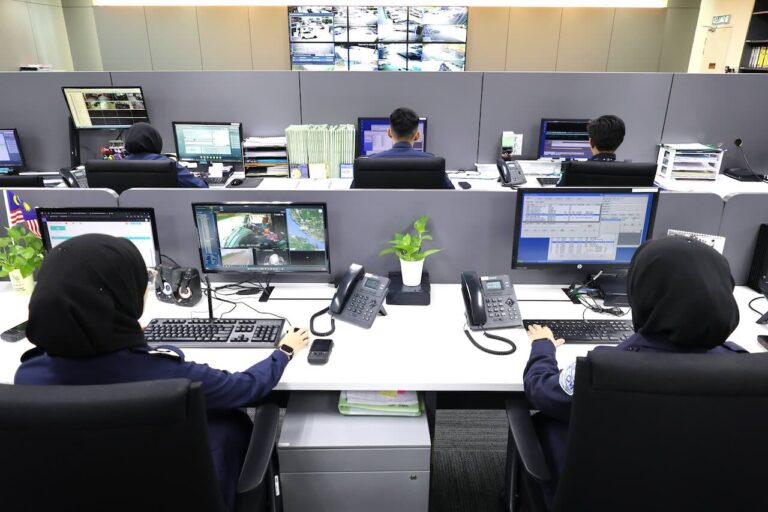
As technology advances, physical security has also evolved. The integration of digital solutions like smart locks and advanced surveillance systems has increased security capabilities. These technologies provide real-time monitoring, remote access control, and enhanced threat detection, making physical security more robust and efficient.
Security Policies and Procedures
Establishing clear security policies and procedures ensures that everyone understands their roles and responsibilities in maintaining physical security. These policies should cover access control, incident reporting, emergency response, and regular security audits. Training and awareness programs are also essential to ensure that all personnel are well-versed in security protocols.
Emergency Response and Preparedness
Being prepared for emergencies, such as fires or break-ins, is essential. Effective response plans can minimize damage and ensure the safety of occupants. This involves creating evacuation plans, conducting regular drills, and having emergency contact information readily available. Preparedness also includes having backup power sources, emergency lighting, and first aid kits.
Physical Security in Different Environments
Physical security measures vary depending on the environment:
Physical Security Best Practices
Adhering to best practices is essential for an effective physical security strategy. Regular maintenance and updates keep security measures current and effective. Best practices include:
Future Trends in Physical Security
The future of physical security holds exciting developments, including AI-powered surveillance and automation for quicker response times. Other emerging trends include the use of drones for surveillance, biometric authentication for access control, and the integration of physical and cybersecurity measures. These advancements will enhance the effectiveness and efficiency of physical security, providing more comprehensive protection against evolving threats.
The Cost of Neglecting Physical Security
Failing to invest in physical security can lead to devastating consequences, including theft, damage, and even harm to individuals. The cost of neglecting physical security can be significant, both in terms of financial losses and reputational damage. It is crucial to prioritize physical security to protect assets, ensure the safety of personnel, and maintain business continuity.
In a world where security threats are ever-present, physical security serves as the bedrock upon which we build our defenses. By understanding its importance and implementing best practices, individuals and organizations can protect what matters most. Whether you’re a security company or an individual looking to enhance security, remember that in the world of security, prevention is always better than cure. For expert guidance and services, consider consulting with a professional security provider.
FAQs
Why Physical Security Risk Assessments Are Essential for Your Business
Rapidly evolving threat landscape, conducting a thorough physical security risk assessment is crucial for organizations aiming to protect their assets, employees, and operations. By proactively identifying and addressing potential security threats, businesses can develop tailored strategies to mitigate risks effectively. This expert guide delves into the significance of physical security risk assessments and how they can bolster your organization’s security posture.
Understanding Physical Security Assessments
A physical security assessment is a comprehensive evaluation of an organization’s physical security measures and infrastructure. This process involves identifying potential vulnerabilities and threats to a building, including a thorough examination of the site’s layout, access control systems, alarm systems, and other security features. Conducted by skilled security professionals, these assessments analyze existing security measures, policies, and procedures to pinpoint weaknesses and recommend improvements.
Benefits of Physical Security Risk Assessments
Physical security risk assessments offer numerous advantages for organizations seeking to safeguard their assets and ensure business continuity. These benefits include:
Steps to a Complete Physical Risk Security Assessment
A comprehensive physical risk security assessment involves several key steps to ensure robust security:
For more information on physical security, you can refer to authoritative sources such as Ready.gov.