How to prevent home break-ins
Knowing how to prevent home break-ins is paramount for securing your family and possessions. Residential burglaries are opportunistic crimes; criminals look for the path of least resistance. By implementing strategic security measures and removing visible vulnerabilities, you make your home a difficult target, drastically reducing your risk. This comprehensive guide will detail the most effective physical and technical steps you can take to learn precisely how to prevent home break-ins and maintain your peace of mind.
Harden the Physical Entry Points
The foundation of how to prevent home break-ins lies in strengthening the doors and windows, which are the primary entry points for intruders.
Doors and Locks: The First Line of Defense
Windows and Visibility
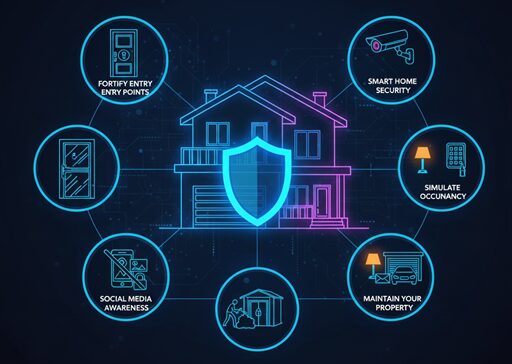
Leverage Smart Technology for Security
Modern technology offers powerful tools that greatly enhance your ability to prevent home break-ins through monitoring and deterrence.
Deterrence Through Occupancy Simulation
Burglars prefer empty homes. One of the best methods for how to prevent home break-ins is making your property look occupied, even when you are away.
Social Media Awareness
Your online activity can inadvertently advertise when your house is empty, undermining your efforts to prevent home break-ins.
By systematically applying these physical upgrades, leveraging smart technology, and adopting smart habits, you will master how to prevent home break-ins and ensure the lasting security of your property.
Home burglaries can be a traumatic experience that leads to both financial losses and a deep sense of personal insecurity. Nowadays, as burglary methods become increasingly complex, it is crucial for homeowners to take proactive measures. In this article, we will explore various strategies you can implement to protect your home from burglars and current security trends. Remember, the best defense is to take deterrent measures. The FBI’s crime statistics reveal the prevalence and seriousness of home burglaries.
Identifying Security Vulnerabilities in Your Home
Every home has its unique security vulnerabilities. Therefore, the first step in creating an effective security plan is to identify the weak points in your home. Factors such as the sturdiness of doors and windows, landscaping, lighting, and alarm systems should be considered in this assessment. Remember, burglars typically choose the easiest targets. The National Crime Prevention Council (NCPC) offers valuable resources on home security.
Enhancing Door and Window Security
Doors and windows are the most commonly used entry points by burglars. Therefore, it is crucial to enhance the security of these areas. Sturdy doors made of solid wood should be preferred, and door frames should be reinforced. Window locks should be regularly checked and replaced with more secure models if necessary. Additionally, applying window film can make it more difficult for windows to break, deterring burglars. Safewise’s home security guide contains detailed information about door and window security.
Garden and Surrounding Lighting
Dark and unkempt gardens are ideal hiding spots for burglars. Therefore, garden and surrounding lighting is of great importance as a deterrent measure. Motion sensor lights can automatically turn on when they detect suspicious movements, scaring off burglars. Additionally, the height and sturdiness of garden fences can make it more difficult for burglars to enter the home. ADT’s home security tips provide practical suggestions for garden lighting and landscaping.
Technological Security Systems
Today, thanks to technological advancements, home security systems have greatly improved. Alarm systems, security cameras, smart locks, and other smart home devices offer effective solutions to protect your home from burglars. These systems not only deter burglars but also enable quick intervention in the event of a burglary. According to 2024-2025 trends, AI-supported security systems and facial recognition technologies are becoming increasingly common. CNET’s home security reviews provide comparative information about different security systems.
Alarm Systems and Professional Monitoring
Alarm systems are one of the most effective deterrents against home burglaries. Modern alarm systems consist of various components such as door and window sensors, motion detectors, and glass break sensors. When the alarm is triggered, the system automatically notifies the police or security company. Professional monitoring services ensure your home’s security 24/7 and enable quick intervention in the event of a burglary. Companies like SimpliSafe and Ring offer popular alarm systems and monitoring services.
Security Cameras and Recording Systems
Security cameras continuously monitor the surroundings and interior of your home, deterring burglars and helping you gather evidence in the event of a burglary. Cameras should be placed at entry points such as doorways, gardens, garages, and other potential access points. Recording systems store camera footage for later review. By 2025, cloud-based recording systems and high-definition cameras are becoming increasingly popular. The New York Times’ Wirecutter section offers comprehensive reviews of the best security cameras.
Social Media and Travel Security
While social media can be a great platform for sharing personal information, it can also pose risks to home security. Announcing your travel plans or that you will be away from home for an extended period can serve as an invitation for burglars. Therefore, it is important to be cautious in your social media posts and avoid sharing information that indicates your home is vacant. Additionally, building good relationships with your neighbors and asking them to keep an eye on your home while you travel is an effective way to enhance your home security. The National Cyber Security Alliance (NCSA) provides valuable information on social media security.
Pre-Travel Checklist
Before traveling, it can be helpful to create a checklist to ensure your home’s security. This list may include steps such as locking doors and windows, activating the alarm system, emptying the mailbox, adjusting garden lighting, and communicating with neighbors. Additionally, using automatic timers to turn lights on and off can create the impression that someone is home. Travelers Insurance’s pre-travel security checklist offers a comprehensive guide.
Collaboration with Neighbors
Building good relationships with your neighbors is an invaluable resource for your home security. Your neighbors can watch your home, report suspicious activities, and assist you in emergencies. Mutual trust and cooperation play a significant role in preventing home burglaries. Participating in neighborhood security programs or forming a neighborhood watch group is an effective way to enhance your home security. USA on Watch provides information and resources about neighborhood watch programs.
Insurance and Post-Burglary Actions
Despite all precautions, it is important to have home insurance to compensate for your financial losses in the event of a burglary. Home insurance covers damages caused by theft and the value of stolen items. After a burglary, it is crucial to notify the police and secure the crime scene. Additionally, you should contact your insurance company to initiate the claims process. The Insurance Information Institute (III) provides information on insurance claims after a burglary.
Choosing Home Insurance
When selecting home insurance, it is important to choose a comprehensive policy and ensure that it covers damages caused by theft and the value of stolen items. Carefully review the limits and deductibles of the policy and select an insurance plan that suits your needs. Additionally, researching the reputation and customer service of the insurance company is also important. NerdWallet’s home insurance guide can help you compare different insurance companies.
Steps After a Burglary
After a burglary, it is crucial to notify the police and secure the crime scene. Do not change or clean anything at the crime scene, as this can destroy evidence. After obtaining a police report, contact your insurance company to initiate the claims process. Prepare a list of stolen items and provide receipts or other evidence if possible. Additionally, check your credit cards and bank accounts for suspicious transactions and report them. The Red Cross offers support services after traumatic events such as burglaries.