Three Key Reasons Why Policies and Processes Are Essential for Your Business
Three Key Reasons Why Policies and Processes Are Essential for Your Business
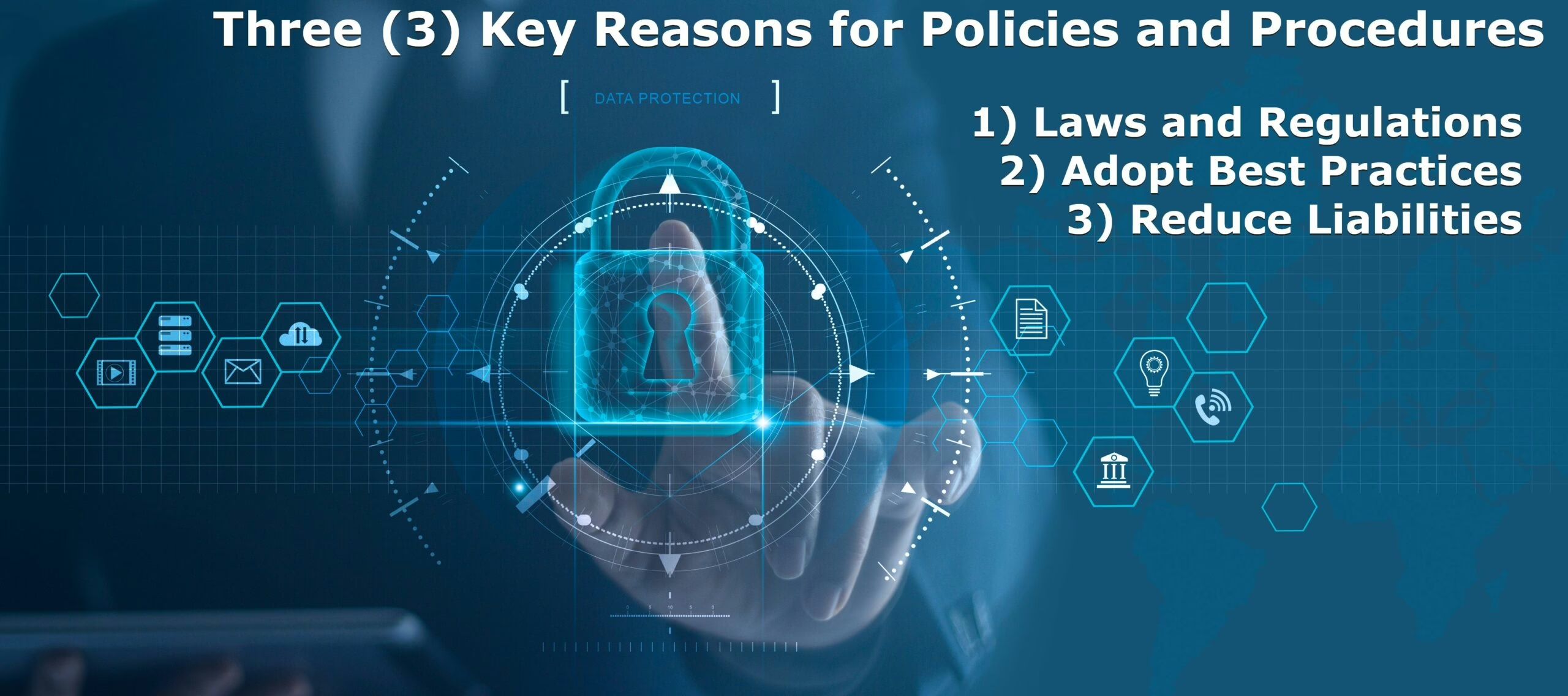
In today’s complex business environment, policies and procedures are more than just bureaucratic paperwork. They are vital tools that help companies navigate legal requirements, mitigate risks, and establish best practices. Here are the three primary benefits of having robust policies and procedures in place:
Regulatory Compliance: Navigating the Legal Landscape
Businesses today must comply with a myriad of laws and regulations, such as the California Consumer Protection Act (CCPA), the Health Information Protection and Accountability Act (HIPAA), and the Payment Card Industry (PCI) regulations. Human Resource (HR) and Cybersecurity policies and procedures are crucial for meeting these compliance obligations. They help companies avoid fines, lawsuits, and data breaches, thereby protecting the company from significant challenges.
A well-structured set of policies serves as a roadmap, guiding employees on how to operate within legal boundaries. This not only safeguards the company but also ensures that employees understand their roles and responsibilities.
Liabilities: Reducing Risks and Protecting Assets
As companies grow, they accumulate assets and, consequently, liabilities. Policies and procedures can serve as a shield against potential lawsuits. For instance, in cases of workplace harassment, a company with robust policies can refer to an employee handbook that prohibits such behaviors and outlines a process for filing complaints. This not only helps in legal defense but also demonstrates the company’s commitment to a safe and respectful work environment.
A strong HR handbook can also highlight non-retaliation guarantees for complainants, further protecting the company and its employees. By reducing liability exposure, companies can focus on growth and innovation rather than legal battles.
Adopting Best Practices: Guiding Employee Behavior
Employees generally aim to do the right thing, but they need clear guidelines to follow. Codifying best practices within the employee handbook and specific cybersecurity policies ensures consistent behavior over time. These documents teach employees how to:
- Behave within the business
- Escalate concerns before they become critical
- Operate technology properly
- Maintain safety and security within the business
For example, one company implemented a Wire Transfer Process that, within six months, prevented a fraudulent wire transfer of over $50,000. The finance person involved followed a process to verbally confirm a change in wiring instructions, thereby identifying a breach in the vendor’s email account. Without this best practice, the company could have suffered a significant financial loss.
Conclusion: The Importance of Policies and Procedures
Policies and procedures are a critical component of any comprehensive cybersecurity program. They must be kept current, communicated effectively to employees, and adapted to changing circumstances. For instance, during the 2020 pandemic, companies had to update their Work-from-Home policies to accommodate the new reality.
Strong communication is key to running a successful business, and policies and procedures are among the best tools for setting expectations and ensuring sound communication with employees. By investing in robust policies and procedures, companies can protect themselves, their employees, and their assets, thereby securing a brighter future.