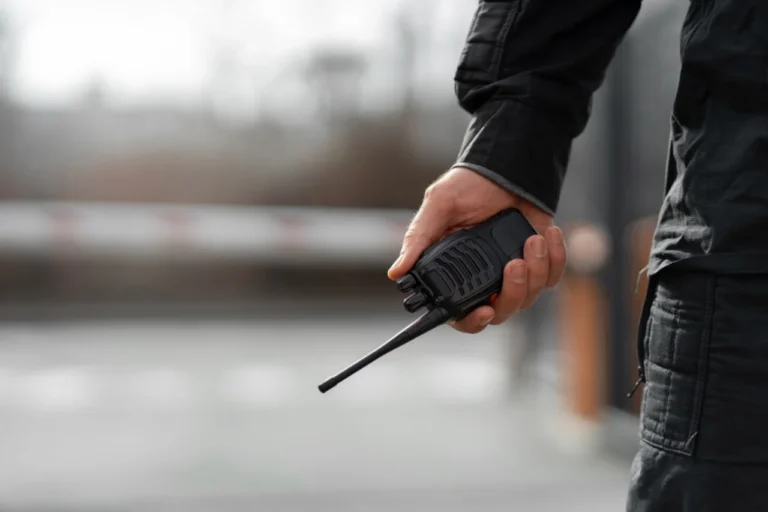
Static Guarding vs Mobile Patrols: Choosing the Best Security for Your Needs
Security is a top priority for businesses, residential areas, and public institutions nationwide. Selecting the right security solution is crucial for safeguarding assets, employees, and residents. Among the most popular security services are static guarding and mobile patrols, each offering unique benefits tailored to different scenarios. This article delves into the distinctions between static guarding and mobile patrols to help you decide which option best suits your security needs.
What is Static Guarding?
Static guarding involves security personnel stationed at a specific location, such as an entrance, reception area, or construction site. These guards remain on-site throughout their shift, providing a constant security presence. They enforce security protocols, ensuring only authorized individuals access restricted areas. Their presence also deters theft, vandalism, and other criminal activities. Static guards often serve as the first point of contact for visitors and employees, offering assistance and enhancing the overall security environment.
Key Responsibilities of Static Guards
Static guards are pivotal in maintaining security by providing a constant presence and monitoring activities within a specific location. Their responsibilities include:
Benefits of Static Guarding
Static guarding offers numerous advantages for businesses and organizations requiring a dedicated security presence. Key benefits include:
Best Uses for Static Guarding
Static guarding is essential for locations demanding continuous surveillance and a strong security presence to deter threats. Key places where static guarding is highly effective include:
- Corporate offices
- Construction sites
- Retail stores
- Events and public gatherings
- Hotels and hospitality establishments
What are Mobile Patrols?
Mobile patrols involve security personnel conducting scheduled or random patrols of a designated area, such as a business park, residential community, or industrial site. These patrols can be carried out on foot or by vehicle, depending on the size of the premises. Mobile patrol officers provide an effective security presence by covering larger areas and responding quickly to potential threats. Their unpredictable movements make it difficult for criminals to anticipate security patterns, thereby enhancing protection.
Key Responsibilities of Mobile Patrol Officers
Mobile patrol officers are crucial in ensuring the safety of businesses and residential areas by conducting thorough inspections and responding to security threats. Their responsibilities include:
Benefits of Mobile Patrols
Mobile patrols offer businesses and residential areas a flexible and cost-effective security solution. This approach ensures a high level of protection while maintaining affordability. Key benefits of mobile patrols include:
Best Uses for Mobile Patrols
Mobile patrols are crucial for locations requiring regular security checks and a proactive approach to deter potential threats. Key places where mobile patrols are highly effective include:
Static Guarding vs. Mobile Patrols: A Comparative Analysis
| Feature | Static Guarding | Mobile Patrols |
|---|---|---|
| Security Presence | Continuous, stationed at one location | Intermittent, covers multiple areas |
| Cost | Higher due to full-time presence | More affordable, suitable for large areas |
| Response Time | Immediate action within the premises | Can take time to reach a location |
| Deterrent Effect | Strong deterrent due to visibility | Unpredictable presence deters criminals |
| Best for | Businesses needing constant monitoring | Large areas needing periodic checks |
| Flexibility | Limited to one location | Can cover multiple sites in a single shift |
How to Choose the Right Security Solution?
Selecting between static guarding and mobile patrols depends on various factors, including the nature of your business, security risks, and budget. Consider the following aspects: