The Essential Role of Close Protection Operatives in Safeguarding High-Risk Individuals
As crime rates rise and the threat of terrorism persists, ensuring the safety of individuals at increased risk is paramount. These individuals may be targeted due to their public visibility, wealth, or other factors. Protecting them effectively is crucial for their security and well-being. In this article, we explore the intricate world of close protection, examining the types of operatives, their responsibilities, essential skills, and the scenarios in which they are most vital.
What is a Close Protection Operative?
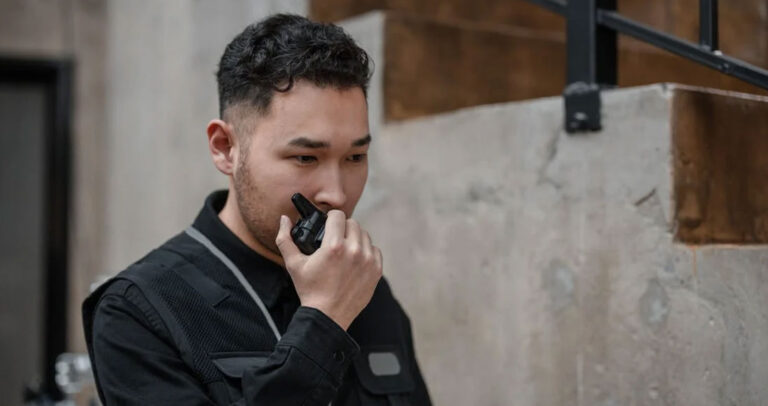
Close protection security is a specialized field designed to safeguard high-risk individuals from physical danger and potential threats. Commonly known as bodyguards, close protection operatives are extensively trained professionals dedicated to providing a protective presence to high-profile figures facing imminent threats. These operatives possess a diverse set of skills, enabling them to assess risks, identify suspicious behaviors, and respond swiftly during crises.
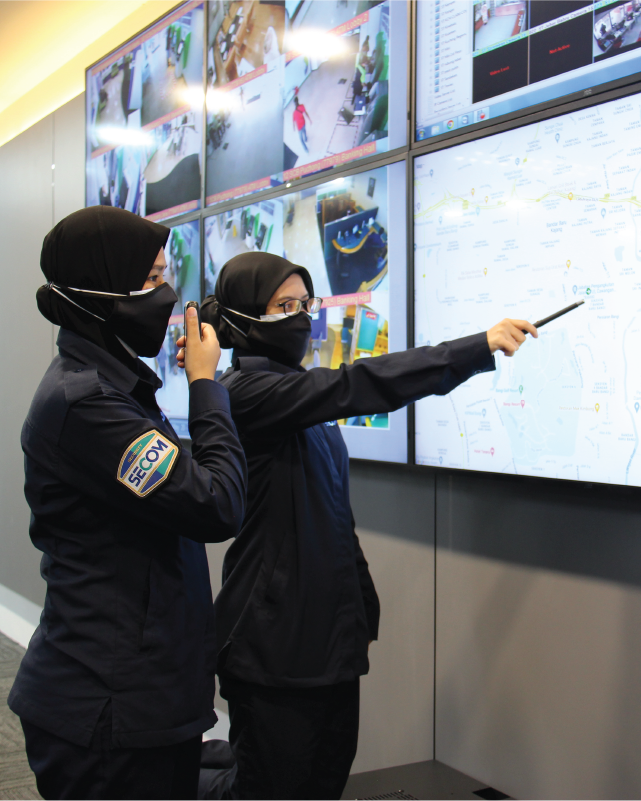
Their roles extend beyond physical security; close protection operatives must also conduct continuous security monitoring, maintain a professional demeanor, and stay informed about the local legal framework. They manage sensitive information discreetly, provide emotional support, and offer counsel when necessary. This security role encompasses a broad spectrum of responsibilities, duties, and skills essential for the protection and well-being of the individuals under their care.
Types of Close Protection Operatives
Close protection security is a tailored service for individuals such as high-profile public figures who face risks due to their fame, economic status, or profession. Depending on the unique requirements of the individual, various types of close protection services are utilized:
- VIP Protection: This service safeguards high-risk individuals while they are traveling or situated in a specific location. It typically involves a team of close protection operatives ensuring the safety of the person, their family, staff, and significant assets.
- Residential Protection: This type of service focuses on the safety of high-risk individuals and their family at their residence. Operatives secure the home and monitor any visitors.
- Event Protection: During public events or gatherings, close protection operatives ensure the safety of high-risk individuals and often their associates as well.
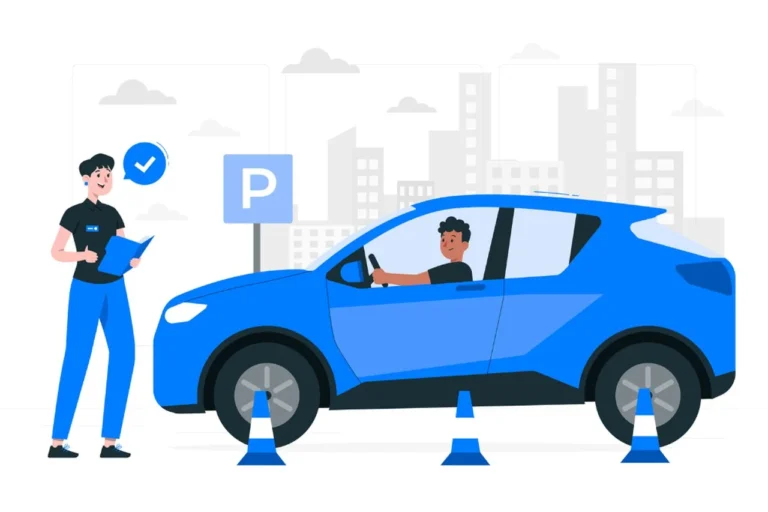
- Security Chauffeuring: This service offers executive transportation with drivers trained in close protection operations, advanced and defensive driving, and anti-ambush techniques. It caters to a diverse clientele, including VIPs, CEOs, celebrities, and politicians.
Responsibilities of Close Protection Operatives
There is a common misconception that close protection should primarily be reactive rather than preventative. However, the goal is always to avoid confrontations if possible. Effective prevention relies more on intellectual capabilities than physical strength and demands intense concentration, which can be mentally challenging.
- Proactive Planning: A significant portion of a close protection operative’s time is dedicated to preparing in advance to minimize the likelihood of incidents. This preparation involves reducing the chances of events happening in the first place. Understanding and continuously applying situational awareness is crucial in close protection, as prevention is invariably better than the remedy.
- Vigilance and Risk Management: A close protection operative must maintain constant vigilance, keeping a watchful eye on the surroundings and ensuring the client is kept at a safe distance from potential threats. They are tasked with identifying risks quickly, planning effective countermeasures, anticipating possible dangers, and reacting promptly and appropriately should a threat materialize.
- Communication and Decision-Making: In addition to physical security measures, close protection operatives must possess excellent problem-solving and decision-making skills. Effective communication is essential, not only with the client but also with other members of the security team to ensure coordinated efforts in protecting the principal.
- Composure Under Pressure: Arguably the most critical trait for a close protection operative is the ability to remain calm and focused, especially in those rare but crucial moments when their client faces a clear and present danger. This composure ensures that operatives can perform their duties effectively, even under extreme stress.
The Essentials of Close Protection Training
Close protection security requires highly trained professionals with a range of skills to perform their job effectively and professionally.
- Physical Fitness: Close protection operatives need to be very fit and strong. This helps them protect their clients from danger and act quickly if someone tries to harm them.
- Security Training: All close protection operatives must undergo detailed training sessions before they can begin protection duties. This training covers how to use security systems, maintain surveillance, and defend themselves and their clients. They also need to learn the legal rules about what they can and cannot do in their job.
- Licensing and Legal Requirements: Every operative in the UK needs to have an SIA Close Protection licence to work. This licence shows they are qualified to work as a bodyguard or in close protection. It also means they have passed tests in important areas like first aid and have no criminal record.
- Innate Skills for Effective Operation: One key skill for a close protection operative is the natural ability to stay calm and think clearly in stressful situations, making quick and smart decisions. Without these skills and proper training, operatives wouldn’t be able to keep their clients safe.
For more information on the legal requirements and licensing, you can visit the official UK Government website.
Understanding the Threats Managed by Close Protection Operatives
While anyone may encounter criminal behavior, certain individuals face a heightened risk of becoming targets due to their public prominence or substantial wealth. Consequently, these high-profile individuals often require close protection as part of their daily lives. The necessity for such security frequently stems from previous incidents, direct threats received, or simply from holding a position of power that naturally draws public scrutiny.