Combating Digital Impostors: A Guide to Removing Fraudulent and Typo-Squatted Domains
In the realm of cybersecurity, threats don’t always come from sophisticated malware or zero-day exploits. Sometimes, they stem from something as simple as a look-alike website. This is where fraudulent and typo-squatted domains come into play. Cybercriminals register domain names that closely resemble legitimate brands or organizations, tricking users into revealing personal data, credentials, or payment details. This threat has been growing steadily and often goes unnoticed until significant damage is done.
Understanding Typo-Squatted and Fraudulent Domains
Typo-squatting occurs when attackers create websites with slight variations of legitimate domains. For example:
- cyberhoot.co instead of cyberhoot.com
- go0gle.com (with a zero) instead of google.com
- paypal-secure-login.com pretending to be PayPal
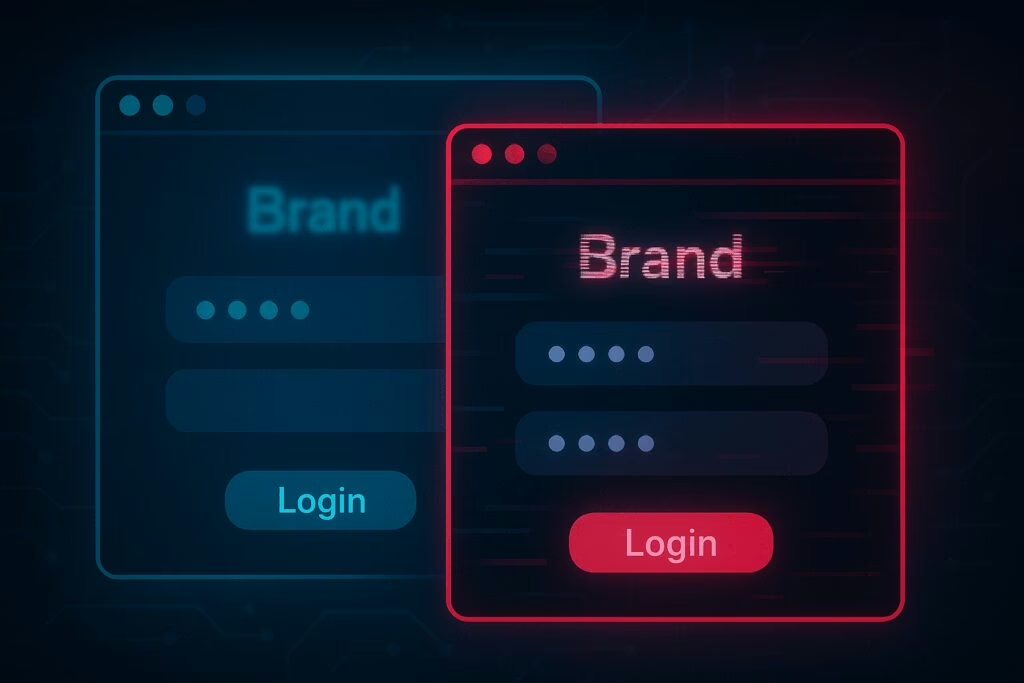
These lookalike sites often mimic the real brand’s design and messaging, making them hard for untrained users to spot. Fraudulent domains, on the other hand, might not rely on typos but instead impersonate your brand to host phishing pages, fake login portals, or malware downloads. Attackers can even use them for fake email campaigns that appear to come from your company, damaging your reputation and tricking your customers or employees.
The Dangers of Typo-Squatted Domains
Typo-squatted domains pose several risks:
- Phishing Attacks: Users click on what looks like a legitimate link and unknowingly hand over credentials or financial information.
- Brand Trust Damage: Customers who fall victim to these scams often blame the real company, not the attacker.
- Malware Distribution: Fraudulent domains can host fake software updates, invoice downloads, or other traps.
- Bypassing Traditional Defenses: Since these domains are newly registered, security tools might not yet flag them as malicious.
The Domain Takedown Process
A domain takedown involves identifying, reporting, and removing fraudulent or malicious domains from the internet. Impacted companies work with cybersecurity domain takedown providers, often in conjunction with legal teams, to issue takedown requests to domain registrars, hosting providers, and sometimes law enforcement agencies.
Not all typo-squatted domains qualify for takedown. For example, while CyberHoop.com is just one letter off from CyberHoot.com, it is a legitimate website selling basketball instruction online. No takedown request is possible for this clear, legitimate alternate domain. Similarly, some impersonation websites are homages to the vendor and may not be taken down 100% of the time. Fan websites that infringe upon your trademark are more likely to be eligible for takedown. The rules are complicated and often confusing, which is why hiring an expert in this area is your best bet. Timing is also crucial in takedown requests. The sooner a lookalike domain is detected and taken down, the sooner the risk is mitigated, minimizing the number of potential victims.
Best Practices to Protect Your Organization
To reduce the threats posed by fraudulent and typo-squatted domains, consider the following best practices:
- Monitor for Lookalike Domains: Use brand monitoring services that alert you when new domains similar to yours are registered.
- Register Variations of Your Own Domain: Secure common misspellings or alternative top-level domains (like .net, .org, .co, .io, .ai) before attackers do.
- Implement DMARC, SPF, and DKIM: These email authentication protocols help prevent attackers from spoofing your company’s email domain.
- Educate Your Users: Train employees and customers to spot suspicious URLs and verify before clicking links in emails.
- Partner with a Cybersecurity Provider: Companies like CyberHoot can help you stay one step ahead of attackers through monitoring, training, and awareness initiatives.
Final Thoughts
Fraudulent and typo-squatted domains are digital impostors—silent, deceptive, and capable of real harm. While no company can stop criminals from trying to register lookalike domains, proactive monitoring and fast takedown responses can drastically reduce the risk. At the end of the day, cybersecurity isn’t just about defending your systems; it’s about defending your identity online.
For more information on protecting your brand from online impersonation and fraud, consult with experts like DomainSkate.