Top Event Security Tips – Expert Strategies to Reduce Risks
As event organizers, the safety and security of attendees should always be the top priority. Whether you’re planning a corporate conference, a lively music festival, or a community gathering, implementing effective security measures is crucial to minimize risks and ensure a smooth event experience. In today’s interconnected world, robust security protocols are more important than ever. By addressing physical security concerns, event organizers can maintain the trust and confidence of attendees. Let’s explore a comprehensive approach to event security that encompasses these diverse challenges.
Conduct a Comprehensive Risk Assessment
Before planning any event, conduct a thorough risk assessment to identify potential security threats and vulnerabilities. Consider factors such as the event location, size, attendee demographics, and the presence of high-profile guests. Understanding the specific risks associated with your event will enable you to develop a tailored security plan to address them effectively.
Collaborate with local law enforcement and emergency services to gain valuable insights into potential risks and appropriate response strategies. Engage with venue management to understand their security capabilities and any existing protocols. A proactive approach to risk assessment lays the foundation for a robust security plan that can adapt to evolving circumstances and unforeseen challenges.
Develop a Detailed Security Plan
Once you’ve assessed the risks, develop a detailed security plan outlining the roles and responsibilities of security personnel, emergency procedures, access control measures, and communication protocols. Your security plan should include contingency measures for various scenarios, such as medical emergencies, natural disasters, or security breaches.
Regular drills and simulations can help ensure that all staff members are familiar with their roles and procedures in case of an emergency. By involving stakeholders in the development and review of the security plan, you foster a sense of shared responsibility and commitment to safety. A well-prepared security plan is the cornerstone of effective event management and risk mitigation.
Hire Professional Security Personnel
Invest in qualified security personnel who are trained to handle various security scenarios professionally. Whether you need uniformed security guards, plainclothes officers, or specialized security teams, experienced professionals can manage security challenges effectively.
Consider the specific needs of your event and the level of expertise required to address potential threats. Experienced security personnel can deter unwanted behavior and provide valuable assistance during emergencies. Regular training and ongoing professional development ensure that security staff are equipped with the latest knowledge and techniques to respond effectively to evolving security challenges.
Implement Access Control Measures
Control access to your event venue by implementing measures such as ticketing systems, ID checks, and bag searches. By controlling access points, you can enhance security and prevent potential threats from entering the premises undetected.
Employ trained personnel at entry points to enforce access control measures consistently. Communicate access policies clearly to attendees through signage and event communication channels to ensure compliance and minimize confusion. Regularly review and update access control procedures based on feedback and emerging security trends to maintain effectiveness and adaptability in safeguarding your event.
Enhance Crowd Management Strategies
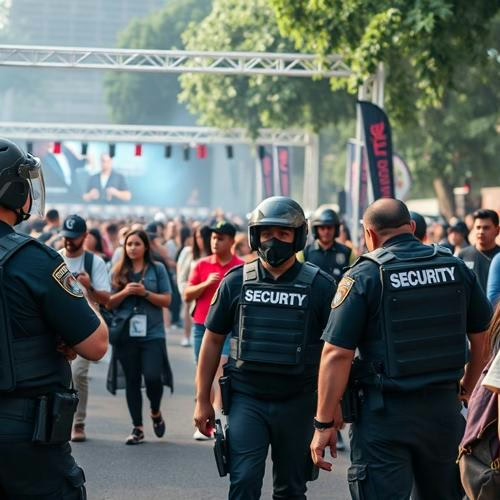
Large gatherings can present challenges in crowd management, increasing the risk of accidents or incidents. Implement crowd management strategies such as designated entry and exit points, crowd barriers, and trained security personnel to maintain order and minimize overcrowding.
Effective crowd management not only enhances security but also improves the overall attendee experience. Utilize signage and digital displays to communicate important information and directions to attendees, helping to guide their movements and reduce confusion. Implementing crowd monitoring technologies, such as crowd density sensors or real-time surveillance, can provide valuable insights into crowd behavior and potential safety hazards.
Provide Staff Training and Awareness
Train event staff, volunteers, and vendors on security procedures, emergency response protocols, and how to identify and report suspicious behavior. Encourage proactive communication among staff members to ensure everyone remains vigilant and responsive to potential security concerns.
Conduct regular drills and simulations to test staff readiness and ensure effective execution of security procedures in real-world scenarios. Foster a culture of accountability by recognizing and rewarding staff members who demonstrate exemplary adherence to security protocols and quick responses to security incidents. Encourage ongoing communication and feedback loops to continuously improve staff training programs and address any emerging security challenges or concerns effectively.
Establish Communication Channels
Establish clear communication channels for event staff, security personnel, and emergency responders to facilitate timely information sharing and coordination. Utilize two-way radios, mobile apps, or dedicated communication platforms to ensure seamless communication throughout the event.
Regularly test communication channels to identify and address any issues promptly. Clear and efficient communication is vital for a coordinated response to any security incidents or emergencies. By prioritizing effective communication strategies, you enhance the overall security and safety of your event.
Why Event Security Matters
In today’s world, safety and security are top priorities for any event organizer. Whether you’re planning a corporate conference, a music festival, or a private party, ensuring your event is secure is crucial. At G3 Security Services, we know that security is key to a successful event. With increasing uncertainties, robust event security measures are more important than ever. We pride ourselves on staying ahead of emerging threats and providing proactive security solutions that give both organizers and attendees peace of mind. In this guide, we’ll cover everything you need to know about event security to help you plan and execute a safe and secure event.
The Importance of Event Security
Events often attract large crowds, making them potential targets for various security threats such as theft and vandalism. Effective event security not only protects attendees and assets but also safeguards the reputation of the event organizer. Investing in professional security services shows a commitment to safety, enhancing the attendee experience. Robust security measures mitigate risks and foster trust among participants, allowing them to enjoy the event without worry. Proactive security can also deter potential threats, ensuring smooth operations and minimizing disruptions.
Assessing Security Risks
Before planning any event, conduct a thorough risk assessment to identify potential security vulnerabilities. Consider factors such as the type of event, location, expected attendance, and past incidents. Collaborating with a reputable security provider like G3 Security Services can help you identify and mitigate potential threats effectively. Understanding attendee demographics and specific concerns related to the event’s theme is crucial. By analyzing past incidents and current security trends, organizers can proactively address vulnerabilities. Involving security experts early in the planning stages allows for tailored security solutions that meet the unique needs of the event.
Tailoring Security Solutions
Every event is unique, and security requirements vary. A one-size-fits-all approach is rarely effective. G3 Security Services offers customizable security solutions tailored to the specific needs of each event. From access control and crowd management to VIP protection and emergency response, our team handles diverse security scenarios with professionalism and efficiency. We conduct thorough site assessments to identify vulnerabilities and develop tailored security plans. Leveraging our extensive experience, we ensure every aspect of security is carefully considered and optimized. Whether it’s a high-profile corporate event or a community festival, we provide comprehensive security solutions that prioritize safety without compromising the attendee experience.
Implementing Security Measures
Once security risks are identified and solutions tailored, it’s time to implement comprehensive security measures. This may include deploying trained security personnel, implementing bag checks or metal detectors, and establishing communication protocols. We work closely with event organizers to ensure security measures are implemented seamlessly, without causing inconvenience to attendees. Our security personnel undergo rigorous training to handle various security scenarios professionally. We employ advanced technologies to enhance surveillance and threat detection, providing an additional layer of security. Our proactive approach includes continuous monitoring and assessment during the event to adapt security measures as needed and address emerging threats swiftly.
Leveraging Technology
In today’s digital age, technology plays a crucial role in enhancing event security. Surveillance systems, access control technologies, and communication tools are integral to modern security strategies. These technologies improve threat detection and response capabilities, providing valuable data insights for future security planning. Our integration of technology allows for seamless coordination and communication among security personnel, enabling rapid response to any security incidents. With real-time monitoring capabilities, we detect and address potential threats before they escalate, ensuring the safety of event attendees. Our investment in innovative security solutions reflects our commitment to staying ahead of emerging threats and enhancing our capabilities to meet evolving client needs.
Training and Preparedness
The effectiveness of event security depends heavily on the training and preparedness of security personnel. We invest in rigorous training programs to ensure our security team is well-equipped to handle any security scenario professionally. From de-escalation techniques to emergency first aid, our personnel undergo comprehensive training to mitigate risks and protect people and property. Our training programs are regularly updated to incorporate the latest security protocols and best practices, keeping our team at the forefront of the industry. We emphasize a proactive approach to security, equipping our personnel with the skills to identify potential threats and take preventive measures. Our commitment to ongoing professional development ensures our security team is adaptable and capable of responding to new and emerging security challenges.
Communication and Coordination
Effective communication and coordination are essential for successful event security operations. We work closely with event organizers to establish clear communication channels and coordinate security efforts seamlessly. Regular briefings and debriefings ensure all team members are informed and prepared. Our security personnel are trained to communicate effectively with attendees, providing assistance and information as needed. By maintaining open lines of communication, we create a collaborative environment that enhances overall security effectiveness. This coordinated approach ensures that any potential issues are addressed promptly and efficiently, contributing to the smooth and secure execution of the event.