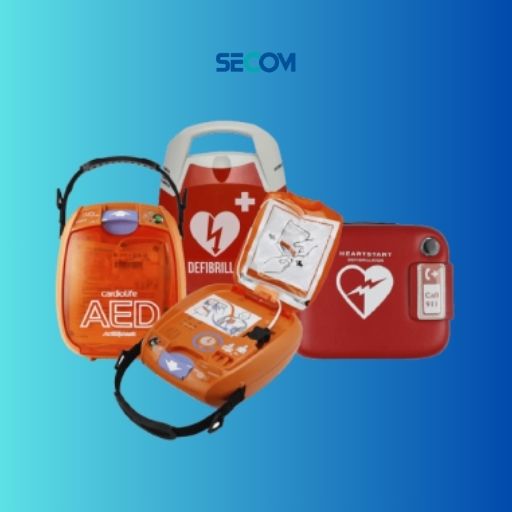
Unlocking Safety: Your Ultimate Guide to Mastering Risk Assessment
Unlocking Safety: Your Ultimate Guide to Mastering Risk Assessment
At its core, risk assessment is about understanding and preparing for potential incidents. It’s a crucial step before starting any new project, providing valuable insights and allowing for adequate preparation. When a professional security team is assigned to a site, they ensure a thorough risk assessment is conducted and formally documented, keeping everyone’s safety in mind.
Understanding Risk Assessment
Risk assessment is a systematic evaluation of a task, job, or process in the workplace. Its main goals are:
- Identifying significant hazards
- Evaluating the risk of harm to individuals
- Determining necessary control measures to mitigate risks
The process varies depending on factors like location, the number of people involved, and the type of work. However, some fundamental aspects must always be considered:
- Who might be harmed and how?
- What measures are already in place to control risks?
- What further actions are needed to control risks?
- Who is responsible for these actions?
- When are these actions required?
Conducting a Risk Assessment
Once you’ve identified the factors to consider, follow these steps:
Who Should Perform the Risk Assessment?
The person responsible should have:
- Experience in the field
- Familiarity with the site or area
- Authorization to perform the assessment
When Should a Risk Assessment be Conducted?
- Before starting work
- Periodically, depending on the site’s nature
How to Conduct a Risk Assessment
There are various methods, but the process must be thorough and well-documented. A checklist can help ensure nothing is overlooked. Here’s a comprehensive checklist:
- Identify the hazards
- Identify those at risk
- Identify existing control measures
- Evaluate the risk
- Decide and implement control measures
- Record the assessment
- Monitor and review
- Inform relevant parties
The Consequences of Non-Compliance
Failure to conduct a proper risk assessment can lead to:
- Serious harm to individuals
- Damage to property and infrastructure
- Delays in taking necessary actions
- Delays in reporting to authorities
Even with all precautions, accidents may still occur. In such cases, it’s crucial to have competent staff on hand to manage the situation. For more information on workplace safety, you can refer to OSHA’s official website.