Safeguard Your Retail Store with Expert CCTV Installation
CCTV – Operating a retail store in Malaysia presents unique challenges, including shoplifting, employee theft, vandalism, and after-hours break-ins. Modern CCTV systems not only prevent crime but also enhance staff safety, build customer trust, and provide valuable operational insights. Regardless of your store’s size, a reliable CCTV system is an essential investment to protect your business and ensure smooth daily operations.
Step-by-Step Guide to Installing CCTV in Your Store
The installation of a CCTV system requires precision to guarantee reliable performance. While professional installers typically handle these steps, it’s beneficial for store owners to understand the process:
Site Survey and Planning
A professional site survey identifies your store’s layout and maps high-priority areas such as entrances, exits, cashier counters, aisles, and storage rooms.
Camera Placement
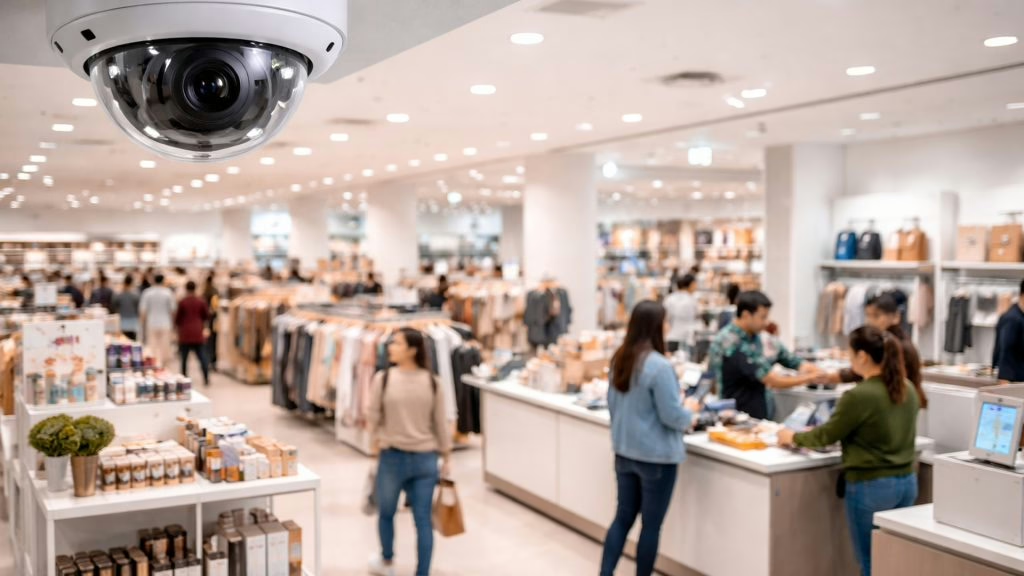
Cameras are installed at optimal heights to capture clear footage while minimizing the risk of tampering. For instance, dome cameras mounted on ceilings provide discreet, wide coverage.
Wiring Route
Secure wiring is routed neatly through the store, keeping cables hidden from customers and protected from interference. A stable power connection ensures the system remains online at all times.
Recorder and Storage Configuration
Cameras are connected to DVRs or NVRs, depending on the system type. Storage is configured to match the store’s needs, whether on-site or in the cloud.
System Testing and Handover
Once installed, the system is tested for blind spots, image clarity, and recording stability. Store owners are trained on accessing live feeds and stored footage.
Key Considerations Before Installing CCTV
Before installation, store owners should strategically plan how the CCTV system will be used. Key considerations include:
Coverage Strategy
Identify critical zones. For example, a jewelry store may prioritize display counters, while a convenience store focuses on cashier points and entrances.
Lighting Conditions
Assess how lighting affects visibility throughout the day. For instance, a shop entrance exposed to direct sunlight may require cameras with Wide Dynamic Range (WDR) to balance brightness and shadows.
Storage Duration
Decide how long you need to retain recordings. Busy minimarts may keep two weeks of footage, while high-value retailers often require storage for a month or longer.
Privacy and Regulations
Ensure camera placement complies with privacy laws. Cameras should never be directed into fitting rooms, bathrooms, or private staff areas.
Future Scalability
Stores often expand or reconfigure their layouts. Choosing a system that supports additional cameras or upgraded storage prevents costly replacements later.
Types of CCTV Cameras Suitable for Stores
Different stores have varying layouts, lighting, and security needs. Here are some commonly used CCTV cameras for stores:
Why Choose Advanced IP CCTV Cameras for Stores
For store owners seeking smarter monitoring, advanced IP security cameras provide features like AI-powered detection, 4K resolution, night vision, and weatherproof durability. These cameras are designed to deliver reliable performance in various climates while keeping your footage secure with advanced encryption.
Many stores prefer IP CCTV systems because they allow live viewing and integration with emergency responses.
Common Mistakes to Avoid During CCTV Installation
Even with the right equipment, a poor CCTV setup can compromise a store’s security. Common mistakes include:
Avoiding these pitfalls ensures your CCTV system performs effectively when it matters most.
Benefits of Professional CCTV Installation
While DIY kits are available, professional installation ensures your system works reliably. Benefits include:
Expert CCTV Installation Services
CCTV is essential for stores of every size. To work effectively, systems must be planned, installed, and maintained with expertise. Professional services offer:
How Interactive CCTV Enhances Emergency Response
In today’s fast-paced world, safety and rapid response are paramount. Interactive CCTV systems have emerged as crucial tools for managing emergency situations effectively. These systems are not just passive surveillance solutions; they enable real-time engagement, remote communication, and immediate action, all of which are vital when every second counts.
What Is Interactive CCTV?
Interactive CCTV refers to a surveillance system that goes beyond mere recording. It allows for two-way communication, remote control, and real-time alerts. Key features often include:
These features transform the system from a passive observer into an active participant during emergencies.
How Can CCTV Help in Emergency Situations?
Real-Time Monitoring and Alerts
One of the primary advantages of interactive CCTV is its ability to detect incidents as they happen. With motion sensors and AI-based threat detection, the system can instantly alert security providers and authorities, ensuring a swift response.
Two-Way Communication
Interactive CCTV cameras often come equipped with built-in microphones and speakers. This allows control room operators to communicate directly with people onsite, providing guidance, calming instructions, or evacuation procedures.
Faster Response Times
Thanks to instant alerts, emergency response teams can be dispatched more quickly. Some systems even allow integration with alarm systems and access control systems, helping to coordinate responses with minimal delay.
Remote Access During Crises
During lockdowns, building evacuations, or hazardous situations, control room operators or authorized personnel can remotely monitor live feeds through secure apps or desktops. This is particularly useful when it is unsafe to be onsite.
Real-Life Use Cases of Interactive CCTV in Emergencies
Benefits for Businesses and Institutions
Can CCTV Be Monitored in Real-Time?
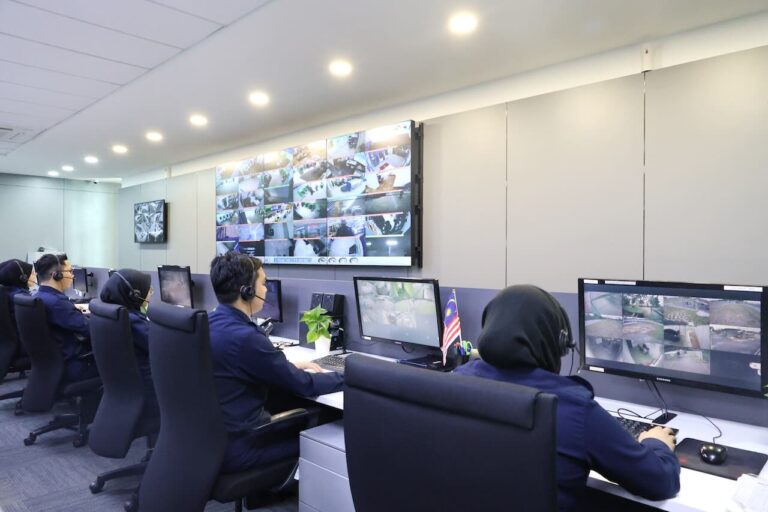
Yes, interactive CCTV systems are designed for real-time monitoring. They can be staffed internally or monitored by third-party central monitoring stations (CMS) that operate 24/7. This enables:
How Does CCTV Support Crisis Management?
Interactive CCTV systems support the four phases of crisis management:
Is Interactive CCTV Worth the Investment?
For any organization that prioritizes safety—especially schools, healthcare facilities, offices, warehouses, and public spaces—interactive CCTV is a cost-effective way to protect lives, assets, and operations. It’s not just about watching; it’s about reacting in real time.
Key Takeaway
Interactive CCTV has redefined how emergencies are handled. It gives organizations the power to respond proactively, not reactively. With features like real-time monitoring, two-way communication, and smart alerts, it serves as both a watchful eye and a responsive guide during crisis situations. If you’re looking to upgrade your safety strategy, investing in interactive CCTV is a smart move.
Introduction to IP CCTV Cameras
In today’s world, ensuring the safety of our homes and businesses is paramount. IP CCTV cameras have emerged as a leading choice for both residential and commercial security needs. This comprehensive guide explores the intricacies of IP CCTV cameras, including their functionality, features, benefits, and installation tips. Whether you aim to bolster your home security or safeguard your business premises, this guide offers valuable insights to help you make well-informed decisions.
What is an IP CCTV Camera?
IP CCTV cameras, or Internet Protocol Closed-Circuit Television cameras, are digital surveillance cameras that transmit and receive data via a network or the internet. Unlike traditional analog cameras, IP CCTV cameras provide higher resolution, superior image quality, and advanced features. They utilize network cables and can be accessed remotely from any location with an internet connection, making them essential tools in modern security systems for both businesses and homes.
How IP CCTV Cameras Work
IP CCTV cameras connect to a network through Ethernet cables or Wi-Fi. They capture video footage, encode it into digital data, and transmit it to a Network Video Recorder (NVR) or a cloud-based storage system. Users can view live feeds and recorded footage via web browsers or mobile apps, ensuring real-time monitoring and 24/7 peace of mind.
Key Features of IP CCTV Cameras
Advantages of IP CCTV Cameras
Disadvantages of IP CCTV Cameras
Installation Tips for IP CCTV Cameras
Common Issues and Troubleshooting for IP CCTV Systems
IP CCTV cameras offer a modern and effective solution for enhancing security in various settings. With their high-resolution video, remote access capabilities, and advanced features, they provide a comprehensive approach to surveillance. By understanding the different types, features, and installation tips, you can make an informed decision and set up a reliable security system that meets your needs.
5 Powerful Advantages of CCTV Surveillance Systems for Enhanced Security
Rapidly evolving security landscape, one technology stands out for its transformative impact: Closed-Circuit Television (CCTV) surveillance systems. These advanced systems offer a plethora of benefits that extend far beyond simple surveillance. Let’s explore the top five advantages of implementing CCTV surveillance systems for your property.
1. Enhanced Security and Protection
CCTV surveillance systems act as your property’s ever-watchful guardians, providing round-the-clock monitoring. The mere presence of these cameras can significantly deter criminal activity, making your property less appealing to potential wrongdoers. In the event of an incident, the recorded footage serves as vital evidence for law enforcement, greatly increasing the likelihood of identifying and apprehending culprits.
2. Unparalleled Peace of Mind
One of the most significant advantages of CCTV surveillance systems is the unmatched peace of mind they provide. Whether you’re at home, at work, or traveling, knowing that your property is under constant surveillance offers a profound sense of security and tranquility. With remote access capabilities, you can check in on your property at any time, ensuring everything is safe and secure even when you’re miles away.
3. Proactive Crime Prevention
Beyond capturing incidents as they occur, CCTV systems enable you to monitor and analyze patterns and behaviors. This valuable data can help identify potential vulnerabilities, allowing you to take proactive measures such as improving lighting or increasing security personnel in specific areas. By preventing criminal activity before it happens, you not only protect your property but also contribute to the safety of your entire community.
4. Cost-Effective Security Solution
Compared to hiring full-time security personnel, CCTV surveillance systems offer a highly cost-effective security solution. They require minimal maintenance while providing continuous coverage. Additionally, many insurance companies recognize the value of surveillance systems by offering reduced premiums for properties equipped with these security measures, leading to substantial long-term savings.
5. Crucial Evidence Gathering
In the unfortunate event of a security breach or incident, CCTV cameras become indispensable tools for gathering evidence. High-quality footage can significantly assist law enforcement agencies in identifying perpetrators, aiding in both the investigation and prosecution processes.
Additional Benefits and Considerations
CCTV systems offer several other notable advantages:
How can CCTV surveillance enhance home security?
CCTV surveillance acts as a powerful deterrent to burglars and vandals, provides real-time monitoring capabilities, and serves as crucial evidence in the event of incidents, significantly enhancing overall home security.