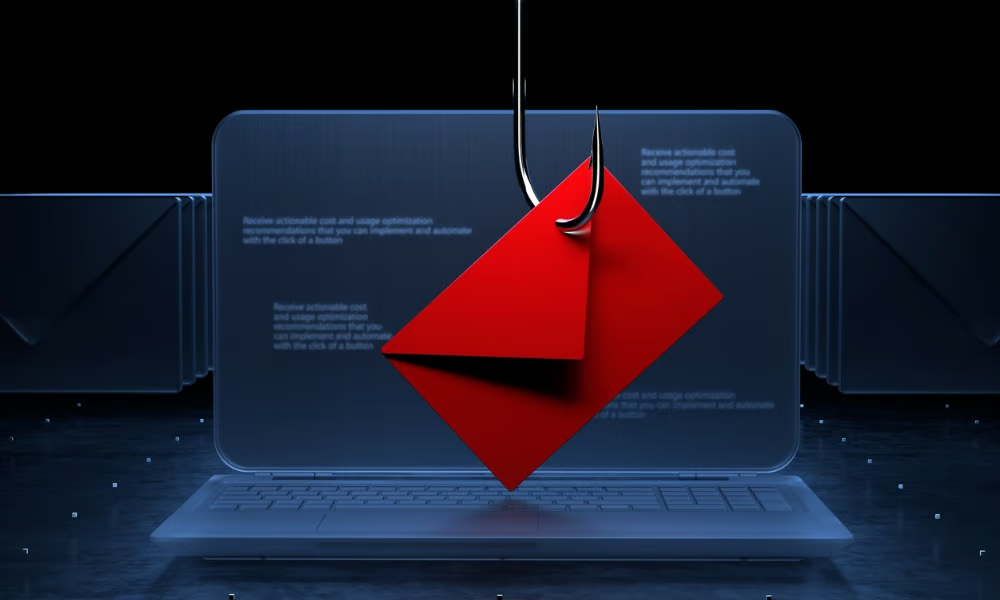
Phishing is one of the most effective, most common and most human-centered tactics of cyber attackers. Phishing attacks via email, SMS, instant messaging or fake websites target human psychology and workflows rather than technical weaknesses. So why do employees still fall into phishing traps when there are modern security tools and awareness training? In this article, I take an in-depth look at the “why” question and explain item by item the concrete, feasible measures that institutions can take.
Why does phishing still work?
Phishing’s success is based primarily on three principles: human psychology works for the malicious, attacks constantly evolve, and processes/systems within the organization are sometimes vulnerable. Technical solutions help, but alone are not enough; The combination of human behavior, organizational culture, and attackers’ creativity makes the attack effective.
Human factors — psychological traps
The fundamental power of phishing is based on predictable tendencies in human minds:
Perception of urgency (urgency): “Your account will be suspended”, “Confirm nowStatements like ” force you to make hasty decisions. Rush leads to uncontrolled clicking.
Obedience to authority: Inquiry against messages from sources that appear authoritative, such as a boss, HR or bank, is minimal.
Curiosity and reward expectation: “Triggers such as your new photo var”, “Cargo expected”, “You won a promotion” try to attract the user.
Indifference and routine: Employees are selective across multiple business messages; They can bypass security checks.
Cognitive load: There is no time to examine the systems/messages in detail in a busy work schedule.
Reliability representation (social proof): Confidence increases when employee names, photos or small company details are used in the message.
Technical and operational deficiencies
There are a number of technical and processual shortcomings that fuel human error:
Incomplete or incorrect email filtering: Spam and malicious emails can still end up in the inbox.
Outdated software and vulnerabilities: When security patches are not applied, phishing links can turn into malware.
Weak authentication: Single-factor authentication (password only) leaves the door open to attacks.
Access management weakness: Users having excessive authority increases losses when an account is accessed.
Weak incident response processes: Failure to take quick and effective steps when a suspicious action is noticed increases the damage.
Evolving tactics of the attacker
Phishing attacks have now become much more sophisticated than simple, poorly written emails:
Spear-phishing: Emails containing target-specific, personal information. (E.g. Prepared according to LinkedIn profile)
Business Email Compromise (BEC): Direct financially targeted attacks such as impersonating managers and directing supplier payments.
Malicious links and form-based credential harvesting:Password collection with fake login pages.
Vishing and smishing: Phishing over phone and SMS.
Deepfake and impersonation: Build trust with audio cloning or fake profiles.
Attackers can produce much more believable messages through social media, data leaks, and information they collect from public sources (organization schemes, holidays, events).
Why are corporate culture and education alone not enough?
Mindfulness training has become common, but there are some common pitfalls:
The trainings are theoretical and open to oblivion: A one-time online course has a short-term impact; Real behavior change requires repetition and practice.
Simulations are inadequate or predictable: When easily distinguishable tests are not close to reality, employees shout “test var” and do not find out.
The scare approach reacts adversely: “You are all making mistakes” message makes employees defensive; It damages the culture of trust.
Lack of motivation and reward: If mindful behavior is not rewarded, routine automated responses will persist.
Real life example (fiction but typical)
A financial employee receives an email from his boss titled “URGENT: confirm supplier payment”. The message is written sincerely and in the style of the boss; Additionally, there is a fake invoice attached. In the busy work schedule, the employee does not notice the small difference in the email address and follows the payment instruction. Result: Thousands of dollars go to a different account. This scenario is repeated in thousands of companies every year. The — error is not technical, but procedural and social engineering.
Steps to creating phishing-resistant institutions
The following strategies are effective when implemented together. One alone is not enough; A multi-layered approach is essential.
Technical measures (mandatory basis)
Email verification protocols: DMARC, DKIM and SPF must be configured correctly.
Advanced email filters and sandboxing: Use solutions that analyze attachments/connections.
Multi-factor authentication (MFA): Mandatory for all critical access.
Least privilege (minimum privilege): Only give users enough authority to do their job.
Web filtering and DNS security: Block malicious domains.
Regular patches and security updates.
People & process oriented measures
Continuous, micro-learning approach: Short, weekly/monthly trainings; realistic scenarios and short reminders.
Realistic phishing simulations: Different scenarios, customized spear-phishing tests. Results should be anonymized and feedback given.
Easy reporting channel: “Report suspicious email” button, send to trust team with one click. Give quick feedback.
Incident response team and playbook: If phishing is successful, it is clear what to do, let it be tested.
Culture of internal communication and transparency: Mistakes should be seen as an opportunity to learn rather than be punished.
Organizational changes
Communication bridges with cyber security and IT teams: Regular meetings with business units, assessing risks according to workflows.
Supply chain security: Also set security requirements for external stakeholders.
CEO/CISO supported awareness campaigns: If senior management openly shows support, the impact increases.
Adding security behaviors to performance criteria.
What should the training content be like? (Practical suggestions)
Short and targeted: 5-10 minute microtrainings; real examples.
Role-based content: Finance, HR, technical team are exposed to different pitfalls — personalize content.
Interactive scenarios: “What would you do?” interactive tests in style.
Instant feedback: When a mistake is made, it should be explained immediately why it is wrong.
Follow and repeat: It recurs in 30, 60, 90 days after the first training.
Gamification: Inter-team competitions, point systems. The human brain responds well to rewards.
How do you measure simulation results?
Click rate — percentage of people who click on simulation emails.
Credential input rate — who entered data on the fake login page.
Reporting rate — percentage of people who report suspicious email to the trust team.
Decreasing trend over time — basic success metric.
Performance by business units: Which departments need extra training?
Post-event response agility: How quickly was the response to the detected attack?
Important: Do not use simulations to embarrass employees; data should be used for improvement.
Possible objections and answers
“Phishing tests are demoralizing.” -> Tests should be designed to be transparent, anonymous and instructive; also add positive incentives.
“Can’t technical solutions be enough?” -> No. Technical controls make attacks difficult, but they cannot completely prevent social engineering. The human factor must be managed.
“Very costly.” -> The start can be made in small steps (MFA, basic training, reporting button). A financial loss due to phishing is generally much cheaper than the cost.
Developing advanced threat detection and response capacity.
Result — why are they still falling and what to do?
Employees still fall into phishing because attacks target human nature, organizational processes sometimes show vulnerabilities, and attackers are constantly renewed. Dealing with this requires not only technology but also human-centered designed training, positive incentives, well-structured processes and continuous measurement. Institutions achieve success if they see security as a continuous cultural transformation, not a “one-time project”.
In our hyper-connected world, virtually every interaction leaves a trail. This trail—your digital footprint—is the cumulative record of your online activity, from social media posts and online purchases to search history and device usage. While often invisible, this footprint is a powerful collection of data that can shape your reputation, affect career opportunities, and, if unprotected, expose you to identity theft and privacy risks.
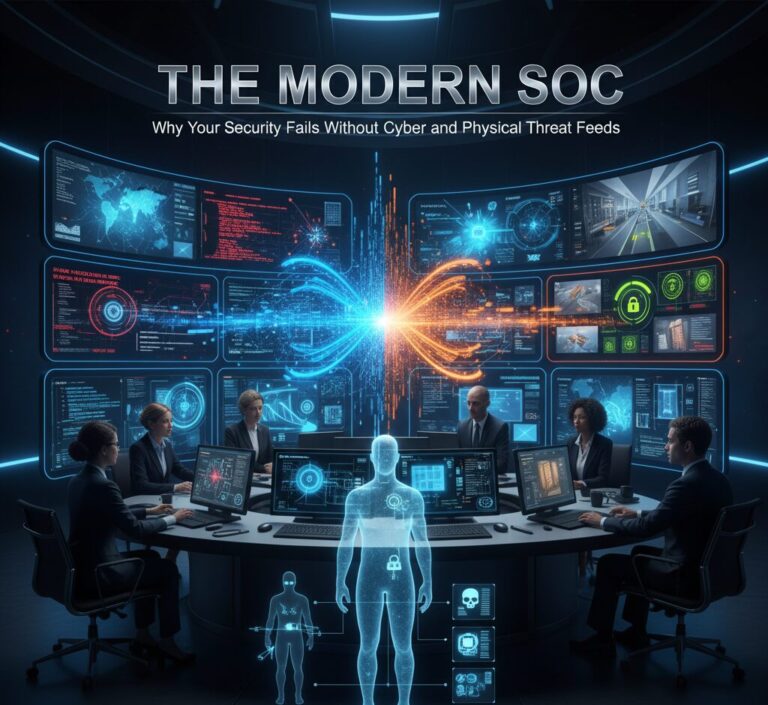
The Security Operations Center (SOC) has long been the central nervous system of enterprise defense. Yet, the traditional approach of maintaining a siloed SOC—strictly analyzing digital logs in isolation—has become a critical vulnerability. As threat actors increasingly weaponize the overlap between physical premises and digital infrastructure, legacy defenses fail to see the full picture. The solution lies in the evolution toward The Modern SOC. By actively merging cyber and physical threat feeds, organizations can achieve the visibility needed to neutralize complex, blended attacks before they escalate.
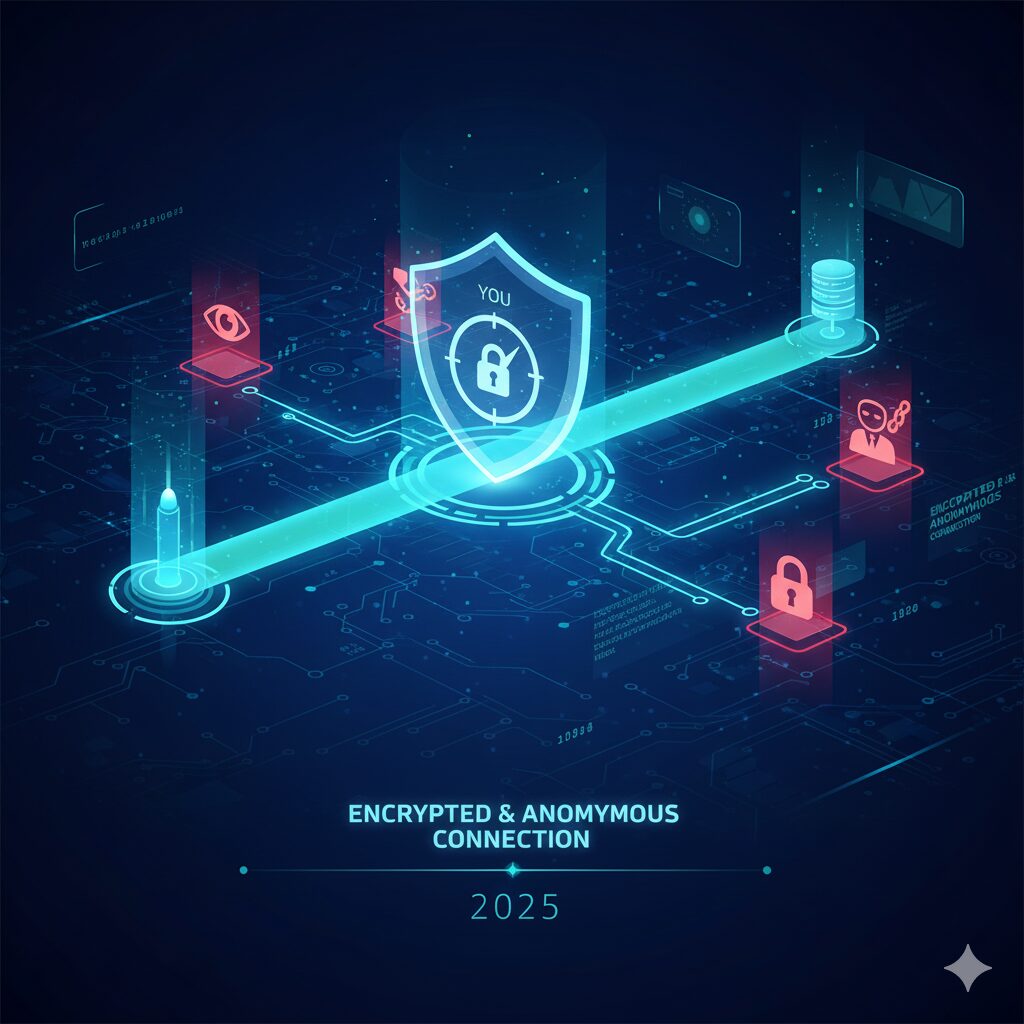
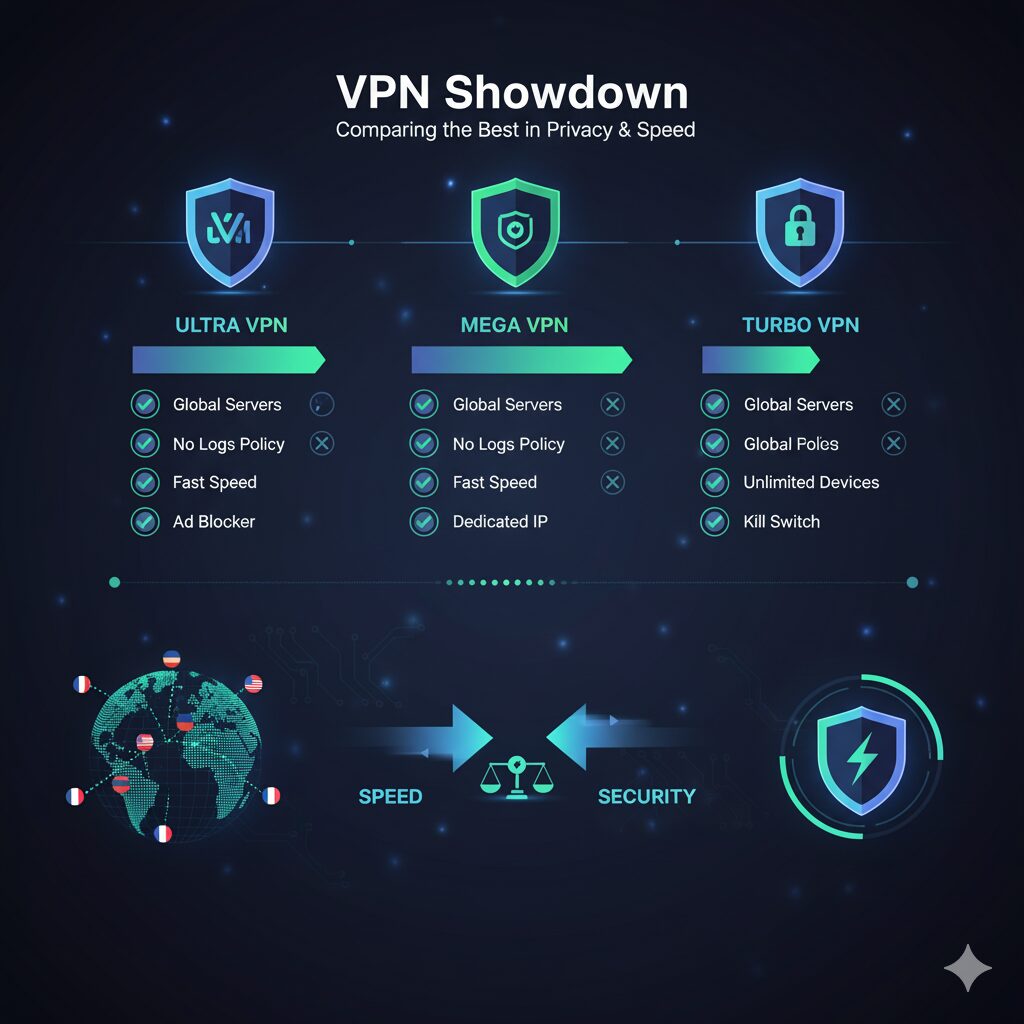
What is a VPN? It’s your personal digital privacy shield. We break down how a VPN stops hackers, blocks ISP tracking, and unlocks a more open internet for you in 2026. Let’s cut to the chase. The internet is a digital gold rush, and your personal data is the gold. Ever get that creepy feeling when an ad for something you just talked about shows up on your phone? Or maybe you’ve used the free Wi-Fi at an airport, feeling a little exposed?
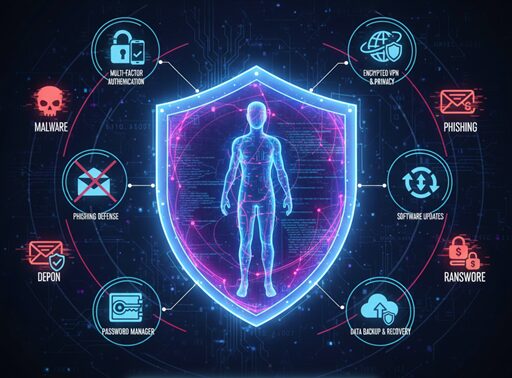
Navigating the modern digital world requires more than just good antivirus software; it demands a comprehensive, layered strategy. This is The Ultimate Guide to establishing robust Computer Security and Internet Safety for yourself, your family, or your small business. Every click, every download, and every social media interaction carries risk, making constant vigilance and education essential. By mastering the principles outlined in The Ultimate Guide, you can transform your digital devices from vulnerable targets into secure, resilient fortresses against cyber threats like malware, phishing, and identity theft.