What is a VPN? – And Why You Absolutely Need One in 2026
What is a VPN? It’s your personal digital privacy shield. We break down how a VPN stops hackers, blocks ISP tracking, and unlocks a more open internet for you in 2026. Let’s cut to the chase. The internet is a digital gold rush, and your personal data is the gold. Ever get that creepy feeling when an ad for something you just talked about shows up on your phone? Or maybe you’ve used the free Wi-Fi at an airport, feeling a little exposed?
That’s your gut telling you the truth: you’re being watched.
Your Internet Service Provider (ISP)—like Comcast, AT&T, or Verizon—is legally allowed to track your browsing habits and sell that data. Advertisers follow you from site to site. Hackers look for easy targets on public networks. In 2025, going online without protection is like leaving your front door wide open. A VPN is the simple, powerful tool you need to lock it. As TheSecurePatrol.com, our job is to put you on watch. Here’s the no-jargon breakdown of what a VPN is and why it’s no longer optional.
What is a VPN? (The Plain English Breakdown)
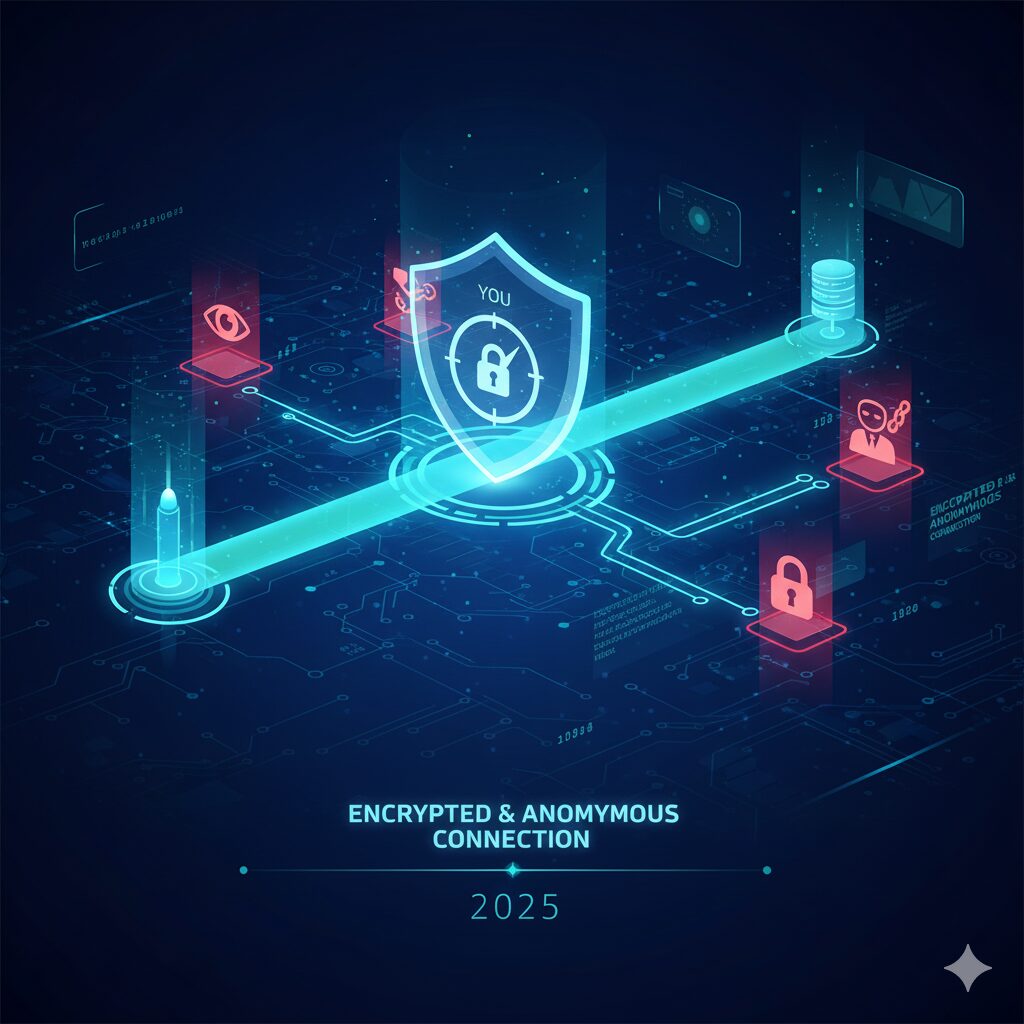
A VPN, or Virtual Private Network, is a simple app for your phone, computer, or smart TV. Its job is to create a secure, private, and encrypted connection (a “tunnel”) between your device and the internet.
It performs two critical functions. Think of them as The Shield and The Disguise.
The Shield (Encryption)
Normally, your internet traffic is like an open book. Your ISP can read it, hackers on public Wi-Fi can intercept it.
A VPN acts as your digital shield. It scrambles all of your data using powerful encryption. This means even if someone did intercept your traffic, all they would see is a jumbled, unreadable mess of code. Your bank details, passwords, and private messages stay private.
The Disguise (IP Address Masking)
Every device on the internet has a unique “IP Address”—think of it as your digital home address. It tells websites and services exactly where you are in the world.
A VPN gives you a digital disguise. When you connect, it routes your traffic through one of its own secure servers, which can be located anywhere in the world. You instantly “borrow” that server’s IP address.
To the outside world, you’re no longer browsing from your home in Ohio. You now look like you’re in New York, London, or Tokyo. This makes you anonymous and stops trackers from building a profile on you.
How Does It Work in 30 Seconds?
The tech is complex, but using it is dead-simple.
The 5 Real-World Reasons You Actually Need a VPN in 2025
This isn’t just for tech geeks. A VPN solves real, everyday problems.
You Become a Ghost on Public Wi-Fi
That free Wi-Fi at the coffee shop, airport, or hotel is a hacker’s dream. It’s shockingly easy for a criminal on the same network to “eavesdrop” on your connection and steal your passwords or credit card info. Patrol Verdict: A VPN makes your device invisible on these networks. It’s a non-negotiable for anyone who travels or works remotely.
You Stop Your ISP from Selling Your Data
This is a big one. Your ISP sees everything you do online. In the U.S., they are legally allowed to collect your browsing history and sell it to advertising firms. Patrol Verdict: With a VPN on, your ISP can only see that you’re connected to a VPN. They have no idea which websites you’re visiting. Your privacy is back under your control.
You Unlock a World of Content (The Streaming Perk)
Ever get that “Content not available in your region” error on Netflix or YouTube? This is “geo-blocking.” Patrol Verdict: A VPN lets you digitally hop borders. Want to watch BBC iPlayer? Connect to a UK server. Want to access Japan’s Netflix library? Connect to a Tokyo server. The internet becomes open again.
You Beat Dynamic Pricing & Save Money
Airlines, hotels, and rental car sites are known for “dynamic pricing.” They show different prices to different people based on their location (IP address). Patrol Verdict: Try searching for a flight from a New York IP, and then search again from a server in Mexico or India. You can often find significantly cheaper deals.
You Secure Your “Work-From-Home” Life
When you work remotely, you’re handling sensitive company data on your home network. A VPN encrypts this connection, ensuring that confidential emails and files are protected from any potential breaches. Patrol Verdict: It’s a simple step that adds a professional layer of security to your remote work setup.
The Honest Truth: Is a VPN a Magic Bullet?
As your “Patrol,” we have to be honest. A VPN is a privacy tool, not a magic “fix-all” security tool.
The Final Verdict from The Secure Patrol
Using the internet in 2026 without a VPN is like driving a car without a seatbelt. You might be fine for a while, but you’re taking a massive, unnecessary risk.
A VPN is a simple, affordable, and essential tool for reclaiming your digital privacy. It’s no longer a niche gadget for tech experts; it’s a fundamental utility for everyone.
Ready to get your digital shield? The next logical step is to find one you can trust.
-> Start here: The 5 Best VPN Services for 2025 (We Tested Them All)