The Essential Guide to Extra Low Voltage (ELV) Systems for Modern Buildings
In the realm of modern building infrastructure, technology is pivotal in ensuring efficient and safe operations. Among the foundational systems that facilitate this is Extra Low Voltage (ELV) systems. ELV systems are meticulously designed to enhance safety, reduce energy consumption, and provide a robust infrastructure for building automation, security, communication, and more.
Understanding Extra Low Voltage (ELV) Systems
Extra Low Voltage (ELV) systems are electrical systems that operate at low voltage levels, typically under 50 volts AC and 120 volts DC. Unlike high-power electrical systems, ELV systems focus on low-energy, high-efficiency operations, significantly reducing the risk of electric shock and increasing operational safety.
Common ELV Voltage Ranges
- AC Voltage: Up to 50V
- DC Voltage: Up to 120V
The Importance of ELV Systems in Building Infrastructure
ELV systems are increasingly incorporated into building design due to their numerous benefits:
Safety
Operating at low voltage levels reduces the risks of electric shock, making ELV systems much safer for general use.
Energy Efficiency
ELV systems consume significantly less power, lowering operational costs and minimizing environmental impact.
Compatibility with Automation
ELV systems can be easily integrated with building automation systems, making buildings more adaptable and intelligent.
Cost-Effectiveness
ELV systems have reduced installation and operational costs, making them ideal for large-scale installations and sustainable building designs.
Reduced Maintenance Needs
Due to their lower energy consumption, ELV systems generally require less maintenance than traditional high-voltage systems.
Types of ELV Systems in Building Infrastructure
There are several key types of ELV systems in building infrastructure, each serving a specific purpose and customizable to suit the unique needs of the building.
Fire Alarm Systems (FAS)
Fire alarm systems are critical in ensuring the safety of building occupants by detecting smoke or fire early and triggering an alarm. ELV technology enables these systems to function continuously, reducing power demands and enhancing reliability.
Security and Intruder Alarm Systems
These systems, including motion sensors, operate on low voltage. They help protect buildings from theft and other security threats, ensuring a safe and secure environment.
Communication Systems
- Public Address (PA) Systems: Used to make announcements in the building, especially during emergencies.
- Intercom Systems: Facilitate communication within large buildings, such as offices, malls, and hospitals.
- Telephony Systems: IP-based telephony systems operate on low voltage and are crucial for building-wide communication.
Building Management Systems (BMS)
BMS controls and monitors the building’s HVAC (heating, ventilation, and air conditioning), lighting, and energy consumption. Through ELV systems, buildings can automate energy usage, maintain optimal indoor climate, and ensure efficient operation.
Data and Communication Networks
ELV systems are foundational to data networks and structured cabling within buildings, supporting LAN (Local Area Network) and internet services. Low-voltage cabling ensures that data networks are stable, reliable, and secure.
CCTV Surveillance Systems
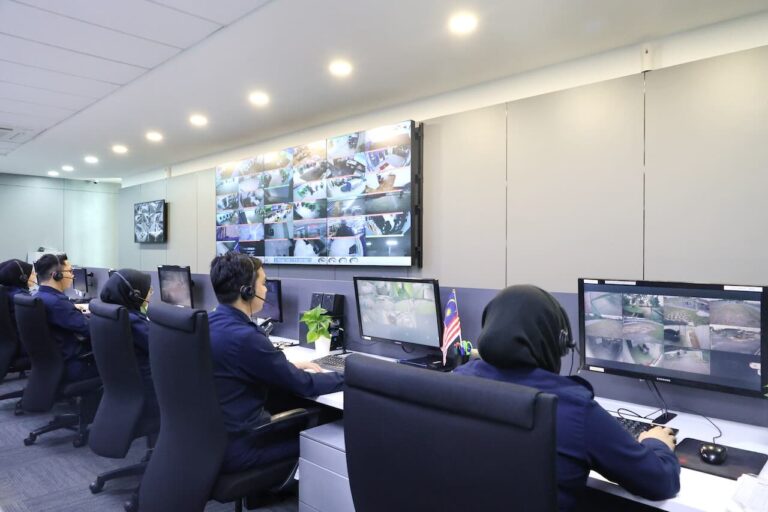
Cameras are strategically placed throughout a building or area to capture live video, which is sent to monitors for real-time viewing and recorded for later playback. This setup allows for continuous monitoring and review, enhancing security and providing valuable footage for incident investigation.
Applications of ELV Systems in Modern Buildings
ELV systems are widely used in various types of buildings, including:
- Commercial Buildings: Data centers, offices, shopping malls, and warehouses utilize ELV systems to support extensive security, lighting, and communication needs.
- Residential Complexes: Apartments and gated communities use ELV systems for access control, intercoms, and energy-efficient lighting.
- Educational Institutions: Schools and universities deploy ELV systems for communication, surveillance, and controlled access to enhance safety.
- Hospitals and Healthcare Facilities: ELV systems are integral to patient monitoring, secure access, and reliable communication within healthcare environments.
Choosing an ELV System for Your Building
When selecting an ELV system for your building, it’s crucial to consider factors like the building’s specific requirements, compliance with safety standards, and future scalability. Partnering with a reputable provider ensures that your ELV system is expertly designed, installed, and maintained, offering reliable, efficient, and safe solutions for today and the future.
Tailored Solutions
Every building is unique. A professional team will take the time to understand your specific operational needs and offer a customized ELV system that integrates seamlessly with your infrastructure.
Compliance with Safety Standards
Safety is paramount. Ensure that all ELV systems meet local and international safety codes, providing peace of mind to building managers and tenants alike.
Future-Proofing
As technology evolves, so do building requirements. ELV systems should be designed with scalability in mind, ensuring that your system can grow alongside your building’s needs.
Final Thoughts
As buildings evolve into more interconnected, energy-efficient, and secure environments, ELV systems are an essential component of this transformation. With the right ELV system, building managers can ensure safety, improve energy efficiency, and integrate advanced automation, paving the way for smarter, more sustainable building designs.