Shoplifting’s Toll on Retailers and Proven Ways to Combat It
Shoplifting’s Toll on Retailers and Proven Ways to Combat It
Shoplifting is a pressing issue for retailers globally, resulting in substantial financial losses, elevated operational costs, and a compromised shopping experience. In recent times, shoplifting incidents have escalated, with organized retail crime and opportunistic theft on the rise. As a leading security guard services provider, we comprehend the urgent need for effective loss prevention strategies to protect businesses from these threats. This article delves into the impact of shoplifting on retailers and offers practical solutions to curb it.
The Financial Impact of Shoplifting
Shoplifting directly impacts a retailer’s profitability. According to the National Retail Federation (NRF), retail shrinkage, mainly caused by theft, leads to billions of dollars in losses annually. In the US, shoplifting costs retailers approximately $61.4 billion each year, with small businesses bearing the brunt of these losses.
Beyond the immediate loss of merchandise, shoplifting also leads to increased security expenses, higher insurance premiums, and potential legal costs. To compensate for these losses, many retailers hike product prices, ultimately affecting honest customers. Implementing robust security measures is crucial to mitigate these financial repercussions.
The Operational Impact of Shoplifting
Apart from financial losses, shoplifting significantly affects store operations. Theft-related disruptions can lead to:
- Reduced employee morale due to an unsafe working environment.
- Increased staff workload as they monitor for suspicious behavior.
- Negative customer experiences due to heightened security checks.
- Inventory discrepancies, making stock management and planning challenging.
Ensuring a secure retail environment helps maintain operational efficiency and fosters a positive shopping experience.
Factors Contributing to Shoplifting
Understanding why shoplifting occurs is vital for preventing it. Some of the main factors include:
Economic Hardship
Individuals facing financial struggles may resort to shoplifting as a last resort to obtain essential goods. Economic downturns, inflation, and unemployment rates significantly contribute to increased theft incidents. When individuals lack financial stability, desperation can lead to impulsive acts of shoplifting.
Psychological Factors
Certain psychological conditions can drive individuals to steal, even when they have no financial need. Disorders such as kleptomania cause compulsive stealing, while impulse control disorders lead to rash decisions. Some shoplifters also engage in theft for the thrill, experiencing an adrenaline rush from the act itself.
Peer Pressure and Social Influence
Shoplifting is often observed among teenagers and young adults influenced by their peers. Some individuals steal to fit in with a particular group, prove themselves, or rebel against authority. In some cases, shoplifting is viewed as a game or challenge, making it a social activity rather than a necessity-driven crime.
Lack of Store Security
Retailers that fail to implement strong security measures become easy targets for shoplifters. Poorly monitored stores with blind spots, minimal staff presence, and outdated surveillance systems increase the risk of theft. When potential shoplifters perceive a lack of deterrents, they are more likely to attempt stealing without fear of consequences.
Strategies to Reduce Shoplifting
Retailers can implement multiple strategies to minimize theft and protect their businesses. One of the most effective solutions is hiring professional security guards who provide an active deterrent against shoplifting.
Deploying Professional Security Guards
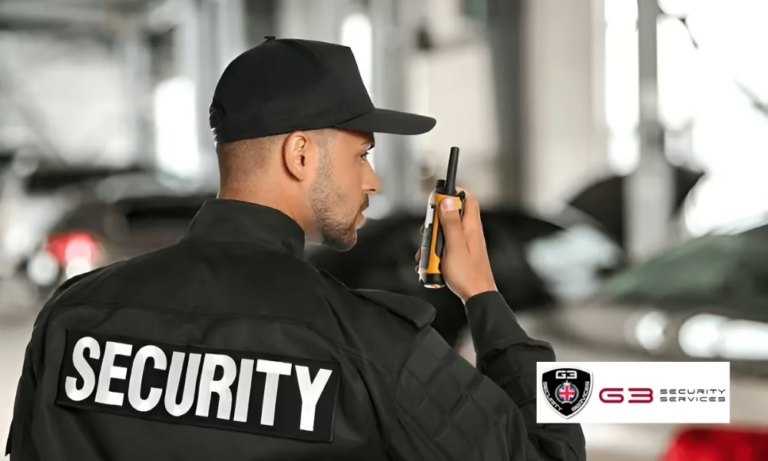
Security guards play a crucial role in preventing shoplifting by ensuring continuous monitoring and rapid response to potential threats. Patrolling store premises helps deter shoplifters, while active surveillance through CCTV systems allows guards to identify suspicious activities in real-time. In cases where theft occurs, trained security professionals can conduct bag checks and loss prevention procedures efficiently. Their ability to coordinate with law enforcement ensures that any criminal activities are dealt with swiftly and effectively. We provide experienced security guards trained in handling shoplifting incidents, offering retailers peace of mind and enhanced store security.
Enhancing Store Layout and Visibility
A well-structured store layout is essential in reducing shoplifting risks. Organizing store aisles strategically eliminates blind spots, ensuring that all sections are easily visible to staff and security personnel. Placing high-value items near checkout counters or in areas with active surveillance discourages potential thieves from targeting expensive merchandise. Adequate lighting is also crucial, as dark corners and poorly lit areas provide opportunities for shoplifters to act unnoticed. By optimizing store visibility, retailers can make it more difficult for criminals to execute their theft attempts without being detected.
Employee Training on Theft Prevention
Employees play a key role in shoplifting prevention, and providing them with proper training helps them identify and respond to theft attempts effectively. Staff members should be trained to recognize suspicious behaviors such as prolonged loitering, excessive bag handling, or nervous body language. Encouraging employees to engage with customers by offering assistance creates a customer-focused environment that deters shoplifters, as they prefer to act in isolation. Additionally, retailers should establish a clear protocol for reporting and managing theft incidents to ensure a coordinated response when shoplifting occurs.
Deploying Surveillance Measures
Modern surveillance technology is a powerful tool in combating shoplifting. Installing high-definition CCTV cameras at store entry points, aisles, and checkout areas allows retailers to monitor activities and gather evidence in case of theft. Electronic Article Surveillance (EAS) tags attached to merchandise trigger alarms if stolen items pass through security checkpoints, reducing opportunities for shoplifters. AI-powered analytics further enhance security by detecting unusual shopping behaviors, allowing store personnel to take proactive measures before theft occurs. Implementing these technologies strengthens a store’s overall security infrastructure and significantly reduces shoplifting risks.
Customer Engagement as a Deterrent
Creating a customer-friendly environment that prioritizes engagement helps reduce shoplifting incidents. Greeting customers upon entry establishes a sense of awareness, making it clear that store staff are attentive to visitors. Offering assistance not only enhances the shopping experience but also discourages potential shoplifters, who typically avoid interactions to minimize attention. Clearly displayed signage warning against shoplifting and highlighting store surveillance can also act as a deterrent.
For more information on retail security, visit the National Retail Federation.