Optimizing ELV Room Design for Enhanced Safety and Efficiency in Commercial Buildings
In the realm of modern commercial buildings, Extra Low Voltage (ELV) systems are pivotal for building automation, security, and communication. Designing an ELV room with best practices in mind is crucial for creating safer, more efficient, and smarter commercial spaces. This article delves into key ELV room design principles that enhance building safety, streamline operations, and facilitate future-ready infrastructure for commercial property owners and facility managers.
Understanding ELV Systems
Extra Low Voltage (ELV) refers to electrical systems operating at low voltages, typically below 50 volts AC or 120 volts DC. ELV systems are essential for modern commercial buildings as they power various safety, security, communication, and automation technologies while reducing electrical hazards. Examples include CCTV security cameras, fire alarms, access control, and public address systems. Operating at lower voltages makes ELV systems safer and more energy-efficient, making them indispensable for smart building infrastructure.
What is an ELV Room?
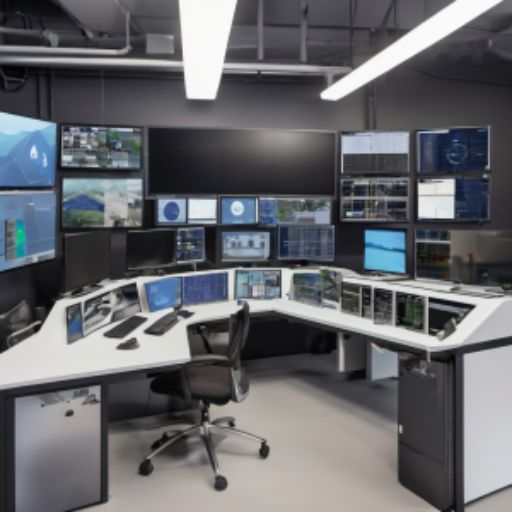
An ELV room is a dedicated space designed to house and organize all ELV system equipment in a commercial building. It serves as the central hub for equipment like door access control systems, safety alarms, communication servers, and surveillance controls. The ELV room ensures that sensitive ELV equipment is secure, well-cooled, organized, and easily maintainable, supporting the overall safety and efficiency of building operations.
The Role of ELV Systems
ELV systems operate at voltages typically below 50V AC or 120V DC, making them inherently safer than conventional electrical systems. These integrated systems cover a broad range of functions including CCTV security cameras, safety alarm systems, access control, fire alarms, public address systems, and building management systems (BMS). Centralizing these systems within a dedicated ELV room helps ensure optimal performance, security, and ease of maintenance.
Best Practices for Designing ELV Rooms
Location and Accessibility
Selecting the right location for the ELV room is fundamental. It should be close to main utilization points yet secure from unauthorized access. Proximity to power sources and network infrastructure reduces cable lengths and potential signal interference. The room should allow convenient access for technicians while restricting public entry. Access systems like access card systems or door access control systems can secure the ELV room entrance, ensuring that only authorized personnel enter sensitive areas.
Space Planning and Organization
An ELV room should be spacious enough to accommodate current equipment and allow for future expansion. Organizing cabling with cable trays and racks keeps wiring neat and reduces electromagnetic interference. Structured cabling supports scalability and reduces maintenance challenges. Equipped with modern CCTV security cameras, the room itself can be monitored to prevent unauthorized access.
Environmental Controls: Cooling and Power
ELV equipment generates heat that can degrade performance if not managed properly. Efficient cooling systems with temperature monitoring extend equipment life. To maintain uptime, a reliable power supply with surge protection and uninterruptible power supply (UPS) ensures continuous operation during outages.
Security Measures
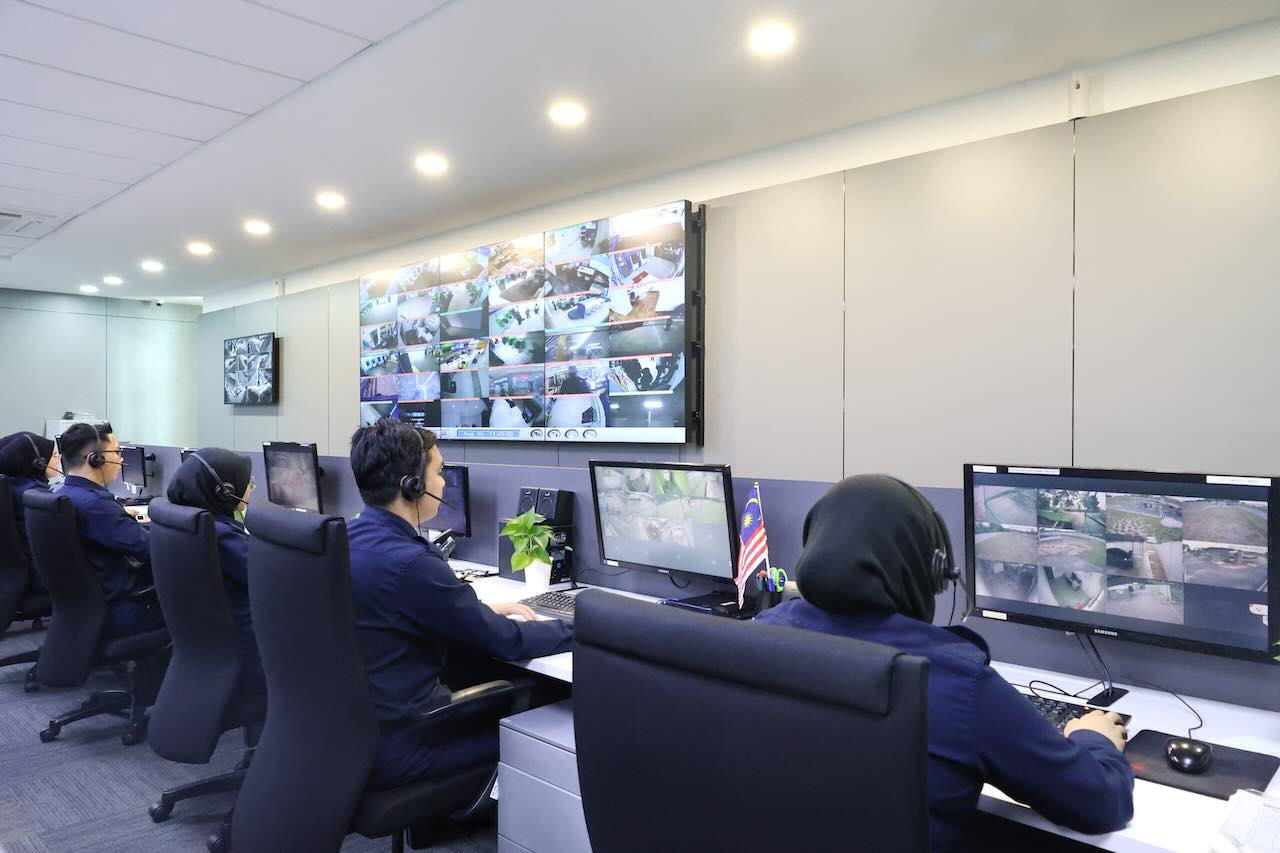
Security inside and outside the ELV room is paramount. Besides physical barriers, advanced safety alarm systems and central monitoring systems provide constant surveillance and alerting. Integrating a burglar alarm system and alarm remote monitoring system with 24/7 monitoring services protects critical infrastructure. Emergency preparedness is also key. Installing an automated external defibrillator (AED) device nearby ensures rapid response in medical emergencies within the commercial building.
Compliance and Standardization
Following regulatory standards and industry best practices enhances reliability and legal compliance. Documenting system designs and configurations properly facilitates audits and future upgrades, integral to effective commercial electrical design.
Integrating Smart Building Solutions for Efficiency
Modern commercial buildings leverage ELV systems integrated into centralized building management platforms. These systems coordinate HVAC, lighting, security, and safety equipment. For example, connected boom gates regulate vehicle access, enhancing property security. Smart integration also allows remote monitoring and control. Services such as CCTV security cameras and remote security system monitoring enable real-time oversight, reducing response times and operational costs.
Maximizing Safety with ELV Systems
Safety remains the top priority in commercial properties, and ELV systems are vital for that. Integrated alarm security and safety alarm systems combined with CCTV security cameras ensure comprehensive monitoring. In the event of medical emergencies, having an AED first aid ready on-site, alongside trained personnel, can save lives.
For comprehensive solutions incorporating advanced ELV system design, installation, and maintenance, consulting with experts in the field is crucial. These professionals specialize in safety alarm systems and provide tailored support to ensure your commercial building is both safe and smart.
Whether you need reliable CCTV camera installation or an integrated central control and monitoring system, expert providers deliver seamless solutions to meet your building’s unique requirements.