Lifesaving AED Machines: Why Your Premises Need One
Lifesaving AED Machines: Why Your Premises Need One
Sudden cardiac arrest (SCA) is a leading cause of death globally, often striking without warning. The timely use of an Automated External Defibrillator (AED) can mean the difference between life and death. AEDs are crucial in modern safety protocols, designed for use by anyone, not just medical professionals.
What is an AED Machine?
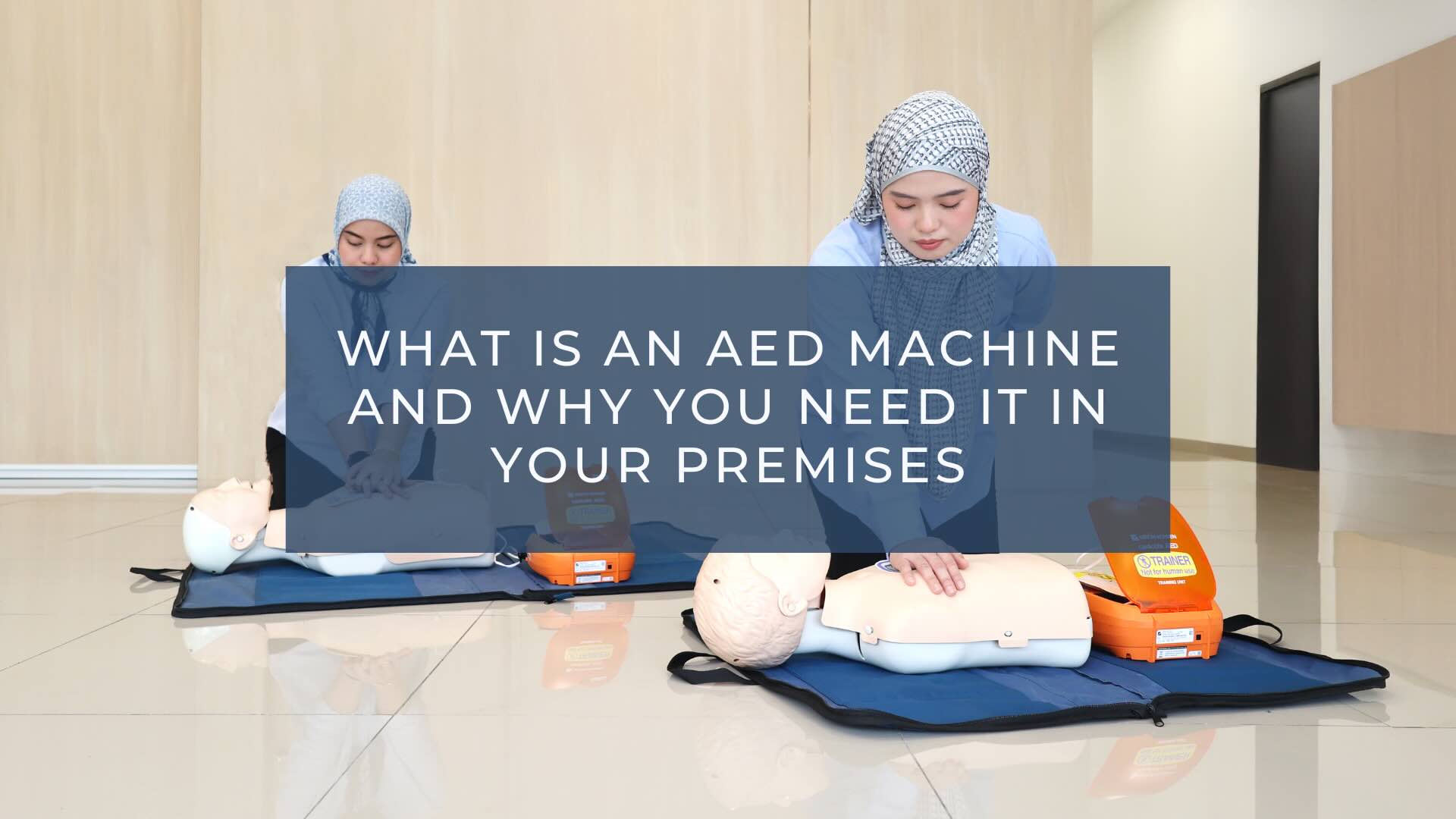
An AED, or Automated External Defibrillator, is a portable, user-friendly device that analyzes the heart rhythm of someone experiencing sudden cardiac arrest. If necessary, it delivers an electric shock to restore a normal heartbeat. These devices are equipped with clear voice instructions, making them accessible to trained staff, security teams, and even bystanders in emergencies.
How Does an AED Work?
Using an AED is a straightforward process:
- Attach the pads: Place the pads on the victim’s chest.
- Automatic analysis: The AED analyzes the heart rhythm.
- Deliver a shock: If needed, the device instructs the user to deliver a shock.
- Restore heart rhythm: The shock helps restore a normal heart rhythm.
AEDs are safe and will not deliver a shock unless it is necessary, minimizing the risk of accidental misuse.
Why is an AED Important for Your Premises?
Having an AED on-site is a life-saving necessity. Here’s why:
- Life-Saving Potential: Survival rates increase dramatically when an AED is used within the first few minutes of SCA.
- Workplace Protection: Cardiac arrest can happen anywhere, including offices, factories, and retail outlets. Having an AED shows a commitment to safety.
- Ease of Use: Designed for non-medical staff, AEDs provide clear instructions that anyone can follow.
- Fast Response: Ambulances may take time to arrive. An on-site AED bridges the critical gap in those first few minutes.
- Legal & Safety Responsibility: Workplaces and public facilities are increasingly expected to provide AEDs as part of their safety standards.
Where Should AEDs Be Installed?
Strategic placement is key to maximizing the effectiveness of AEDs. They are most valuable in:
- High-footfall areas such as malls, schools, gyms, airports, and factories.
- Workplaces with older staff or physically demanding roles.
- Premises with delayed emergency response times, such as remote locations or large facilities.
Key Factors to Consider Before Getting an AED
Before installing an AED in your premises, consider the following:
- Accessibility: Ensure the AED is easily accessible and visible.
- Staff Training: While AEDs are user-friendly, basic training can build confidence.
- Maintenance: Regular checks on the battery and electrode pads are essential.
- Safety Standards: Choose a model that meets international safety standards and local regulations. For more information, visit SECOM Malaysia.
Partner with SECOM Malaysia for Your Premises Safety
At SECOM Malaysia, we believe that safety goes beyond security. Our solutions include AED machines that empower your staff and visitors to respond quickly in emergencies.
Why Choose SECOM Automated External Defibrillator (AED)?
- Expert Consultation: Guidance on the right AED solution for your premises.
- Flexible Options: Purchase or rent an AED depending on your budget and needs.
- Ongoing Maintenance: Regular checks to ensure batteries, pads, and systems are always ready.
- Trusted Standards: Meets international standards and Malaysian regulations.