Essential Duties of Embassy Security Guards: Safeguarding Diplomatic Missions
An embassy is a bustling hub of activity, with a constant flow of visitors and staff. This lively environment can sometimes attract unwanted attention from individuals with malicious intent. Given the history of attacks on embassies and consulates worldwide, robust security measures are paramount to ensure the safety of these diplomatic facilities.
The Role of Embassy Security Guards
Embassy security guards are the frontline defenders in a comprehensive security strategy designed to protect, prevent, and respond to threats. These professionals are crucial to the embassy’s operations, ensuring that diplomatic activities can proceed without external disruptions.
Main Duties and Responsibilities
Embassy security guards have a wide range of duties, each vital to the secure and smooth operation of the embassy. Here are some of their key responsibilities:
- General Security and Patrols: Guards are responsible for the overall security of the embassy compound, including associated residences and affiliated areas. They regularly check patrol records to ensure thorough documentation and prompt addressing of any anomalies.
- Event Management Security: In collaboration with the Protective Security Manager (PSM), security personnel handle all aspects of event security during receptions, dinners, and other official gatherings, ensuring smooth and secure operations.
- VIP Visit Preparations: Security arrangements for VIP visits are a top priority. Embassy security guards coordinate with the PSM and other security organizations to ensure flawless preparations and top-notch security measures for high-profile visitors.
- Mail and Parcel Screening: All incoming letters, parcels, and deliveries are scrutinized to prevent potential threats from entering the embassy, safeguarding against espionage or physical threats.
- Routine Security Checks: Regular clocking rounds ensure that guards are vigilant in monitoring the embassy premises around the clock.
- Search and Screening: Thorough searches of vehicles and visitors are standard procedures, reinforcing the embassy’s strict security stance.
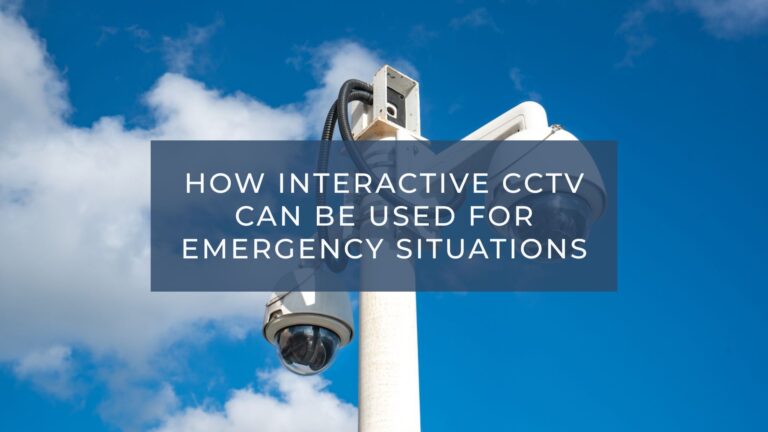
- CCTV Monitoring: Continuous monitoring of CCTV feeds is vital for the overall surveillance strategy, helping to identify and mitigate potential threats before they materialize.
- Access Control: Embassy security guards manage who enters and exits the embassy, ensuring that only authorized individuals gain entry to sensitive areas, maintaining a secure environment.
- Physical Security Enforcement: The physical presence of guards around the embassy serves as a deterrent to unauthorized access and potential security breaches, ensuring a formidable barrier against threats.
The Importance of Embassy Security Guards
Embassy security guards do more than just protect the building and its contents; they play a crucial role in ensuring that diplomatic missions run safely and smoothly. Their work helps maintain stability and functionality within the embassy, which is essential for effective diplomatic operations. Moreover, strong security enhances the embassy’s reputation, showcasing its seriousness and capability on the global stage.
Security guards need a wide range of skills to perform their duties effectively. They must be constantly alert and able to spot signs of danger quickly. They also need to be adept at recognizing different types of threats and knowing the best ways to handle them. This requires both physical strength and mental sharpness. Their professionalism and commitment keep the embassy protected, ensuring that everyone, from staff to visitors, is in a safe and secure environment.
Given the sensitivity of their role, it is crucial that they are well-trained and equipped to handle any situation that may arise. They are often the first responders to emergencies, which means they need to be prepared for anything at all times. This makes them not just security guards but essential members of the embassy team, ensuring that diplomatic activities can proceed without interruption or harm.
Effective Security Measures for Embassies
To keep embassy premises safe, several measures can be implemented. These strategies are crucial for protecting both the physical infrastructure and the people within the embassy from potential threats:
- Advanced Surveillance Systems: High-quality cameras and other surveillance technologies are essential. They allow for continuous monitoring of the embassy’s perimeter and internal areas, helping to quickly identify and respond to suspicious activities.
- Strict Access Controls: Implementing strict access controls ensures that only authorized personnel and thoroughly vetted visitors can enter the premises. Measures such as electronic badges, biometric scanners, and detailed visitor logs are essential.
- Regular Security Training: Embassy security personnel must be well-trained to enhance their situational awareness skills. Regular training drills, including protocols for evacuations, managing suspicious packages, and reacting to different types of security threats, are crucial.
- Collaboration with Local Law Enforcement: Establishing a strong relationship with local police and security agencies ensures additional support and rapid response capabilities in case of an emergency.
- Physical Barriers: Physical security features like fences, bollards, and blast walls are important for preventing unauthorized access and protecting against potential attacks.
- Cybersecurity Measures: With the increasing threat of digital attacks, robust cybersecurity measures are essential to protect sensitive information and maintain the integrity of the embassy’s digital infrastructure.