Deepfakes Exposed: How AI is Changing the Face of Digital Reality
Understanding Deepfakes
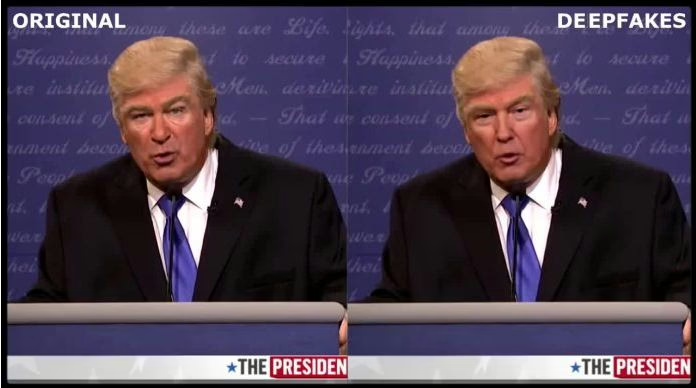
Deepfakes, a blend of “deep learning” and “fake,” are synthetic media where artificial intelligence (AI) swaps one person’s likeness, voice, and facial expressions with another’s. This technology, once the stuff of science fiction, is now a reality, reshaping our digital landscape in both fascinating and alarming ways.
The Rise of Deepfakes
Deepfakes harness the power of AI, specifically deep learning, to create incredibly convincing yet entirely fabricated images and videos. Until recently, creating such realistic altered video content required substantial skill and resources. However, deepfake technology has democratized this process, making it accessible to anyone with a computer and an internet connection.
The Implications of Deepfakes
The emergence of deepfakes has far-reaching implications for individuals, businesses, and society. Here are some key areas of concern:
Misinformation and Disinformation
Deepfakes can spread false information, potentially influencing public opinion, politics, and financial markets. Imagine a deepfake of a political figure making inflammatory remarks or a corporate leader announcing false financial results.
Reputation Damage
Individuals and businesses can suffer significant reputational harm due to deepfakes. A fabricated video can tarnish a person’s image or a company’s brand in mere hours.
Cybersecurity Threats
Deepfakes pose a new challenge for cybersecurity professionals. They can be used in phishing attacks, social engineering, and other forms of cybercrime.
Spotting Deepfakes
Detecting deepfakes can be tricky, but there are some telltale signs:
Protecting Against Deepfakes
To safeguard against deepfake threats, consider these strategies:
Boosting Your Cybersecurity
In addition to protecting against deepfakes, consider these recommendations to enhance your overall cybersecurity: