The 5 Best Crypto Hardware Wallets of 2025

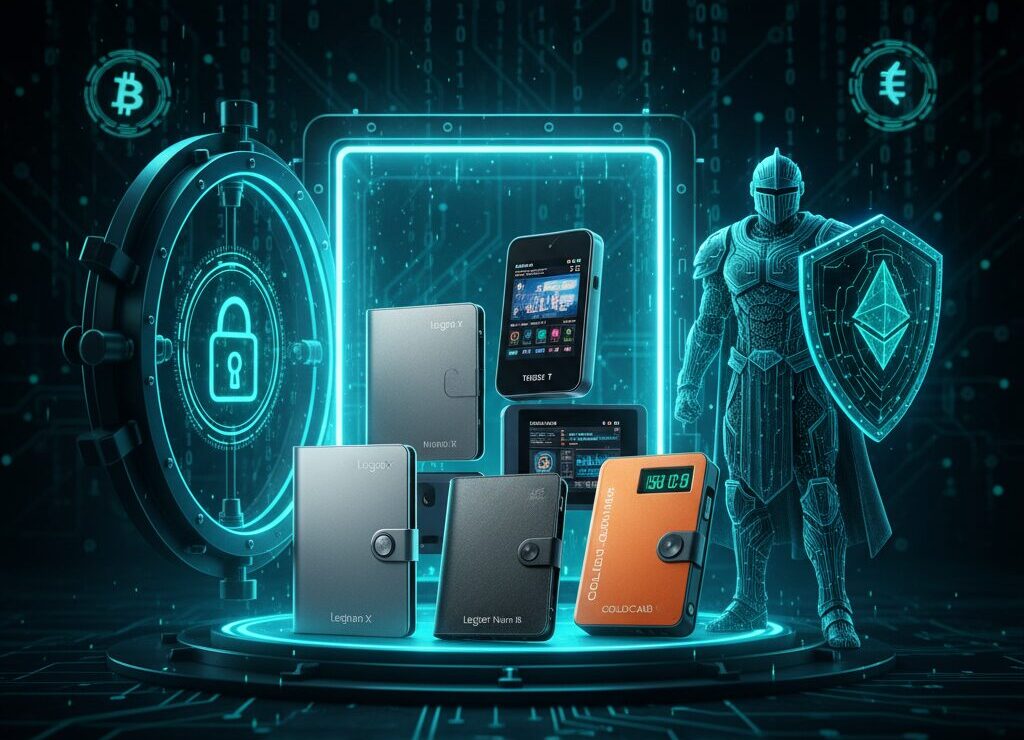
The 5 Best Crypto Hardware Wallets – Our Top Picks for Securing Your Assets

With the crypto market booming, is your portfolio actually safe? The reality is, cold storage is your only true defense against hacks and malware. Securing your investment starts with choosing one of the best crypto hardware wallets available. The 2025 lineup brings game-changing security chips and smoother interfaces, making the race for the ultimate hardware wallet tighter than ever. Here is why you need to upgrade now.

Here is a detailed guide to the five leading devices that define the best crypto hardware wallets available this year. Don’t risk your crypto. We tested the top devices to find the best hardware wallets for 2025. See our in-depth reviews of Ledger, Trezor, and more.

Why Trusting an Exchange With Your Crypto in 2025 is a Terrible Idea

Let’s cut right to the chase: If your crypto isn’t in your keys, it isn’t your crypto. The headlines in 2025 were relentless—exchange hacks, frozen withdrawals, and sudden bankruptcies. Leaving your digital assets on a centralized exchange is like storing your gold bars in a stranger’s locker… a stranger who might lose the key or run off with the whole locker.

A hardware wallet (or “cold wallet”) is the single most important investment you can make as a crypto holder. It’s a small physical device that stores your private keys offline, completely isolated from the internet. This makes it virtually impossible for hackers to steal your funds through malware, phishing scams, or exchange vulnerabilities. At TheSecurePatrol, we’ve spent weeks testing, reviewing, and comparing the top devices on the market. Here is our definitive guide to the best crypto hardware wallets for 2025.


Best Crypto Hardware Wallets: 2025 Quick Picks

  • Best Overall: Ledger Nano X
  • Best for Security Purists: Trezor Model T
  • Best Budget Pick: Ledger Nano S Plus
  • Best “Air-Gapped” Wallet: COLDCARD Mk4
  • Best for Beginners: Trezor Safe 3

In-Depth Hardware Wallet Reviews (2025)

We analyzed each wallet based on security, ease of use, coin support, and mobile compatibility.

Ledger Nano X – Best Overall Wallet
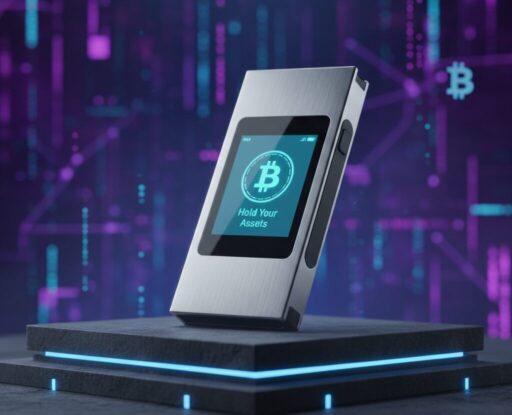
Ledger Nano X

The Ledger Nano X has dominated the market for a reason. It hits the perfect balance between high-end security and everyday convenience, making it our top pick for the serious investor. Its core feature is Bluetooth connectivity. This allows you to securely manage your assets, sign transactions, and check your portfolio on the go using the Ledger Live app on your smartphone, all while your keys remain offline in the device.

Why We Picked It:

  • Massive Coin Support: Manages over 5,500+ coins and tokens.
  • Secure Element Chip: Uses a top-tier certified secure chip (CC EAL5+), the same kind used in high-end passports and credit cards.
  • Mobile-First: Bluetooth makes it the king of convenience for mobile users.
  • Ledger Live App: Hands-down one of the best and most intuitive portfolio management apps.

Who It’s For: The investor with a diverse portfolio who values the convenience of managing assets from their phone without compromising security.

Trezor Model T – Best for Security Purists & Transparency

Best Crypto Hardware Wallets

Trezor is the OG of hardware wallets, and the Model T is their premium, flagship device. Its defining feature is its vibrant color touchscreen, which is more than just for looks. By allowing you to enter your PIN and confirm transactions directly on the device’s screen, it provides an extra layer of protection against keyloggers on a compromised computer. More importantly, Trezor is 100% open-source (both hardware and software), meaning its code has been publicly audited by security experts worldwide.

Why We Picked It:

  • Fully Open-Source: The gold standard for trust and transparency in security.
  • Color Touchscreen: Provides an intuitive and highly secure way to interact with your device.
  • Shamir Backup: Supports an advanced backup standard that lets you split your recovery seed into multiple “shares.”
  • Excellent Reputation: Trezor has been a pillar of the crypto community since 2014.

Who It’s For: The security purist, the Bitcoin maximalist, or anyone who believes “don’t trust, verify” and values open-source technology.

Ledger Nano S Plus – Best Budget Pick (That Isn’t “Cheap”)

Think of the Nano S Plus as a modern upgrade to the legendary wallet that started it all. It takes the unbeatable security of the high-end Nano X but packs it into a more affordable, no-frills package. It ditches Bluetooth and the internal battery (which some purists prefer, as it’s one less attack vector) but gives you a much larger screen and vastly more memory than the original Nano S. You can now install up to 100 different coin apps simultaneously.

Why We Picked It:

  • Incredible Value: You get the same core security (Secure Element chip) as the $150 Nano X for a fraction of the price.
  • DeFi & NFT Ready: Fully compatible with DeFi platforms and managing your NFTs.
  • Ample Storage: No more “installing/uninstalling” apps just to manage different coins.

Who It’s For: Beginners buying their first wallet or long-term “HODLers” who just want rock-solid, affordable security without the mobile bells and whistles.

COLDCARD Mk4 – The “Air-Gapped” Fortress

This is not for beginners. The COLDCARD Mk4 is for those who take security to the absolute extreme. It’s designed to be used “air-gapped,” meaning it never directly connects to your computer or the internet. How? You sign transactions by saving them to a microSD card, moving the card from your computer to the COLDCARD, signing the transaction on the device, and then moving the card back. It’s cumbersome, but it’s the definition of bulletproof. It even has security features like a “duress PIN” that opens a fake wallet if you’re forced to unlock it.

Why We Picked It:

  • True Air-Gap Operation: The highest level of security you can get, period.
  • Bitcoin-Focused: While it supports other coins, this is a Bitcoin-first device built by Bitcoin minimalists.
  • Extreme Security Features: Duress PINs, tamper-evident bags, and a “brick me” PIN make this a paranoid’s dream.

Who It’s For: The tech-savvy, security-obsessed user (especially Bitcoiners) who wants zero compromises.

Trezor Safe 3 – The New Standard for Beginners

The Trezor Safe 3 is the newest contender in the lineup and the perfect modern answer to the Ledger Nano S Plus. It blends Trezor’s open-source philosophy with a sleek new design and, critically, a Secure Element chip.

This is a big deal, as it combines Trezor’s transparent software with the industry-leading physical security of a dedicated secure chip. It’s affordable, easy to use, and supports over 8,000+ coins.

Why We Picked It:

  • Best of Both Worlds: Open-source software plus a Secure Element chip.
  • Great Price Point: Competes directly with the Nano S Plus as the best entry-level choice.
  • Modern Design: It simply looks and feels great to use.
  • Shamir Backup Support: Brings this high-level security feature to an affordable price point.

Who It’s For: The perfect wallet for beginners in 2025 who want an easy, secure, and future-proof device from a trusted, open-source brand.


How We Chose – Our “Secure Patrol” Criteria

To earn a spot on our list, a wallet must excel in these key areas:

  • Security (Non-Negotiable): Does it store keys offline? Does it use a Secure Element chip or have fully open-source, verifiable code?
  • Ease of Use: How easy is it for a non-technical person to set up, back up, and use?
  • Coin Support: Does it support a wide range of assets, including major altcoins, tokens, and NFTs?
  • Reputation & Trust: Has the company been transparent? Do they have a history of solid security practices?

Hardware Wallet FAQ

Q: What is the main difference between Ledger and Trezor? A: The simplest breakdown: Ledger uses a proprietary “Secure Element” chip (like a bank card) for top-level physical security, but its software is closed-source. Trezor historically used open-source hardware/software for full transparency but has now (with the Safe 3) also adopted a Secure Element, giving you the best of both.

Q: Can a hardware wallet be hacked? A: Hacking the device itself is extremely difficult and would require physical possession, specialized knowledge, and expensive equipment. The real risk is user error—like losing your 24-word recovery seed or typing it into a fake “phishing” website. A hardware wallet protects against online threats, not human error.

Q: What happens if I lose my hardware wallet or it breaks? A: Your crypto is safe! Your assets are not “on” the device; the device just holds the keys. As long as you have your 24-word recovery seed (which you write down and store safely offline during setup), you can simply buy a new hardware wallet (from any brand) and restore your entire portfolio.

Q: Is a hardware wallet really necessary in 2025? A: More than ever. As the value of crypto assets grows, so do the incentives for hackers. A hardware wallet is the small, one-time price you pay for permanent peace of mind.

Your Crypto Isn’t Safe Without One

Choosing the right hardware wallet comes down to your needs.

  • If you want the best all-around experience with mobile convenience, get the Ledger Nano X.
  • If you are a beginner on a budget and want the new standard, get the Trezor Safe 3.
  • If you are a security purist who values a touchscreen and open-source tech, get the Trezor Model T.

Similar Posts

  • GRC – Governance, Risk, Compliance

    Security issues such as data breaches and cyber risks can lead to loss of your sensitive data, financial losses and damage to your reputation. Therefore, institutions need a comprehensive, integrated and sustainable framework to effectively manage these risks. GRC (Governance, Risk, Compliance); It is a holistic management approach that covers governance, risk management and compliance processes.

  • The 2026 CISO’s Dilemma – Why Your Cybersecurity Budget is Wasted Without Physical Security

    In the rapidly evolving threat landscape of 2026, the Cybersecurity Budget is no longer a necessary expense; it is a strategic investment directly enabling business resilience, competitive advantage, and customer trust. Chief Information Security Officers (CISOs) must navigate increasing threats—from sophisticated AI-driven attacks to persistent supply chain vulnerabilities—while facing pressure to demonstrate tangible Return on Investment (ROI) from the Cybersecurity Budget.

  • Zero Trust Explained – Why ‘Trust No One’ is the Only Strategy for Hybrid Workforces

    For decades, cybersecurity operated on a simple principle: build a strong wall (firewall) around your network, and trust everyone and everything inside that wall. This “castle-and-moat” model was adequate for a time when employees were strictly contained within physical office buildings. Today, that model is fatally obsolete. With the rise of hybrid and fully remote workforces, the “castle” has fractured into hundreds of remote homes, coffee shops, and unmanaged personal devices. The network perimeter is dead. The only sustainable strategy for securing the modern enterprise is Zero Trust Explained. This paradigm shift dictates that security should never be based on location but on continuous, rigorous verification. If you operate a hybrid workforce, understanding Zero Trust Explained is not optional—it is the imperative for survival.

  • The Rise of the Machines – How Security Robots Are/Aren’t Replacing Human Guards

    The security industry is undergoing a profound transformation, driven by technology that promises greater efficiency and resilience. Talk of the rise of the machines is now commonplace, as autonomous security robots—equipped with advanced sensors, AI analytics, and continuous monitoring capabilities—begin patrolling corporate campuses, shopping centers, and industrial facilities. While these robots offer compelling benefits in terms of endurance and data collection, the reality is that the rise of the machines in security is leading not to replacement, but to a powerful partnership between technology and human intelligence.

  • Ransomware profits drop as victims stop paying hackers

    The data is clear: Ransomware profits drop significantly as organizations prioritize resilience over capitulation. For years, the ransomware ecosystem thrived on a simple premise: rapid decryption of systems was worth the cost of the ransom. However, a major shift in corporate policy and technological maturity is finally disrupting this criminal business model. The dramatic decline in the percentage of victims choosing to pay means that the financial incentive driving these attacks is eroding, causing Ransomware profits drop to their lowest levels in years. This trend signifies a critical turning point in the global fight against cyber extortion.

  • What is a Converged Security Professional and Why Is It the Next Big Career?

    In the modern enterprise, risk is no longer neatly divided between the physical and digital realms. A sophisticated attack today often begins with a cyber vulnerability and ends with a physical action, or vice-versa. This blurring of lines has created a massive demand for a new type of expert: the converged security professional. This role is rapidly becoming the next big career opportunity, focusing on integrating the often-siloed disciplines of physical security and cybersecurity into one cohesive risk management strategy. A true converged security approach recognizes that securing the server room is just as vital as securing the server itself.