AEDs Explained: Your Essential Guide to Emergency Heart Rescue
Automated External Defibrillators: A Lifesaving Guide
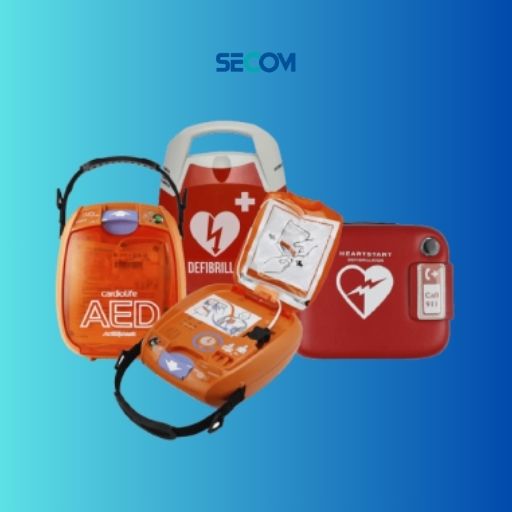
An Automated External Defibrillator (AED) is a critical device used in medical emergencies, particularly when someone experiences sudden cardiac arrest. This condition occurs when the heart unexpectedly stops beating effectively, leading to a lack of blood flow to the brain and other vital organs. AEDs are designed to analyze the heart’s rhythm and, if necessary, deliver a controlled electric shock to restore normal heart function.
Where to Find AEDs
AEDs are typically found in public places such as workplaces, airports, malls, schools, and sports arenas. They are designed to be user-friendly, with step-by-step audio and visual prompts, making them accessible to laypersons with minimal training. This accessibility is crucial for improving survival rates in cases of sudden cardiac arrest.
When to Use an AED
AEDs are typically used in the following scenarios:
- Sudden Cardiac Arrest: If someone collapses, becomes unresponsive, and is not breathing normally, it could be a sign of sudden cardiac arrest. An AED can help by delivering a controlled electric shock to the heart to restore its normal rhythm.
- After Basic Life Support: AEDs are usually used after basic life support measures, such as CPR (Cardiopulmonary Resuscitation), have been initiated. The AED can analyze the heart’s rhythm and determine if a shock is needed.
Key Functions of an AED
- Detection of Abnormal Heart Rhythms: The AED continuously monitors the heart’s electrical activity through electrodes attached to the patient’s chest. It identifies life-threatening rhythms such as ventricular fibrillation (VF) or ventricular tachycardia (VT), which are common causes of sudden cardiac arrest.
- Delivery of Electric Shock: If the AED detects a shockable rhythm, it will instruct the user to deliver an electric shock (defibrillation) to the patient. This shock helps to reset the heart’s electrical system, potentially restoring a normal rhythm.
- Voice and Visual Prompts: AEDs provide clear, step-by-step voice instructions to guide the rescuer through the process. Visual prompts, such as diagrams, help ensure correct placement of electrode pads and indicate when it is safe to deliver a shock.
- Safety Features: AEDs are designed with safety features to protect both the rescuer and the patient. They typically analyze the patient’s heart rhythm automatically and advise if a shock is needed, minimizing the risk of unnecessary shocks.
- Data Recording: Many modern AEDs are equipped with data recording capabilities. This feature allows healthcare providers to review the event later, aiding in post-event analysis and improving future response protocols.
Importance of AEDs
- Rapid Response to Cardiac Arrest: An AED can deliver an electric shock to the heart to restore a normal rhythm in someone experiencing cardiac arrest. Immediate use of an AED can be the difference between life and death.
- Increased Survival Rates: The chances of survival decrease by about 10% for every minute that passes without defibrillation. AEDs are often placed in public areas to ensure they are available quickly when needed.
- Ease of Use: AEDs are user-friendly and automatically analyze the heart’s rhythm to determine if a shock is needed. This reduces the risk of human error in emergency situations.
- Preventing Brain and Organ Damage: AEDs are essential in preventing brain and organ damage during cardiac arrest by restoring normal heart rhythm through timely electrical shocks, thus maintaining vital blood flow and oxygen delivery to the body.
- Community Health and Safety: Having AEDs in public spaces such as workplaces, schools, gyms, malls, sports facilities, and airports enhances community safety and preparedness, potentially saving lives in critical moments.
Step-by-Step Guide to First Aid for Sudden Cardiac Arrest
Here is a step-by-step guide on how to assist individuals experiencing sudden cardiac arrest before using an Automated External Defibrillator (AED):
- Check the Scene: Ensure the scene is safe for both the rescuer and the victim. Confirm that there are no possible threats in the area. Rescuers must assist in removing any potential threats from the area or moving the victim to a safer location if one exists.
- Check Responsiveness: Gently tap the person on their shoulder and shout, “Are you okay?” If they don’t respond, you need to act quickly.
- Check Breathing: Look, Listen, and Feel: Tilt the person’s head back slightly to open the airway. Check for normal breathing by looking at the chest, listening for breath sounds, and feeling for breath on your cheek. If the person is not breathing or only gasping, proceed with the next steps. If they are breathing normally, place them in the recovery position and monitor their condition until help arrives.
- Call for Help and Get the AED: The rescuer should assign someone from the nearby crowd to immediately call for emergency services (911). Provide details about the situation and your location. Concurrently, assign someone to look for and get an AED machine nearby.
- Start CPR: Position your hands in the center of the person’s chest and push hard and fast. If trained, give 2 rescue breaths after every 30 compressions.
- Use the AED: Once the rescuer gets the AED, open the case and turn it on by pressing the power button or lifting the lid (the device will guide you through the process). Follow the voice prompts or visual instructions provided by the AED. The AED will automatically analyze the heart’s rhythm. Ensure no one is touching the person during this process. The AED will tell you if a shock is needed or if you should continue CPR.
- Continue CPR: Continue taking turns performing CPR (30 compressions and 2 breaths) with others who know how to perform CPR, until the AED advises you to stop, emergency responders arrive, or the person starts to show signs of life.
In conclusion, promptly assisting individuals experiencing sudden cardiac arrest is crucial for their survival, and understanding the proper use of an Automated External Defibrillator (AED) can make a significant difference. By following the step-by-step guide outlined, you can effectively provide immediate help that can save lives. Remember, your swift and informed actions, combined with the use of an AED, play a vital role in delivering life-saving care during these critical moments. Always stay calm, follow the instructions carefully, and don’t hesitate to seek additional help if needed. Your preparedness and response can truly make a life-saving impact.
Visit SECOM (Malaysia) website today to learn more and take a proactive step towards being a lifesaver. Our AED solutions are easy to use, reliable, and come with comprehensive support to ensure readiness. Whether at home, in the office, or in any public or private building, SECOM (Malaysia) provides peace of mind knowing you’re prepared for sudden cardiac emergencies. Equip your space with an AED from SECOM (Malaysia) and safeguard those who matter most.