Stay Safe: Avoid Fake Contact Tracing Apps and Cyber Threats
Understanding Contact Tracing
During the COVID-19 pandemic, contact tracing has become an essential tool in slowing the virus’s spread. This process involves identifying, tracking, and notifying individuals who may have been exposed to the highly infectious disease. Contact tracing is vital for safely reopening businesses and preventing subsequent waves of infections. Leading tech companies like Apple and Google have developed contact tracing apps, although their collaboration with U.S. government entities is still in progress.
The Dangers of Fake Contact Tracing Apps
Aside from the apparent privacy concerns surrounding the data generated by these apps, there’s a more sinister threat: hackers are creating and distributing fake, malicious contact tracing applications. These counterfeit apps pose significant risks to users’ personal information and device security.
Phishing Attacks
One common tactic hackers use is phishing attacks. These attacks involve sending emails that seem to come from legitimate sources, such as hospitals, informing recipients that they have been exposed to COVID-19. The email usually includes an attachment or link to download a form for scheduling a test. However, these attachments often contain malware that can compromise your computer.
Malicious Applications
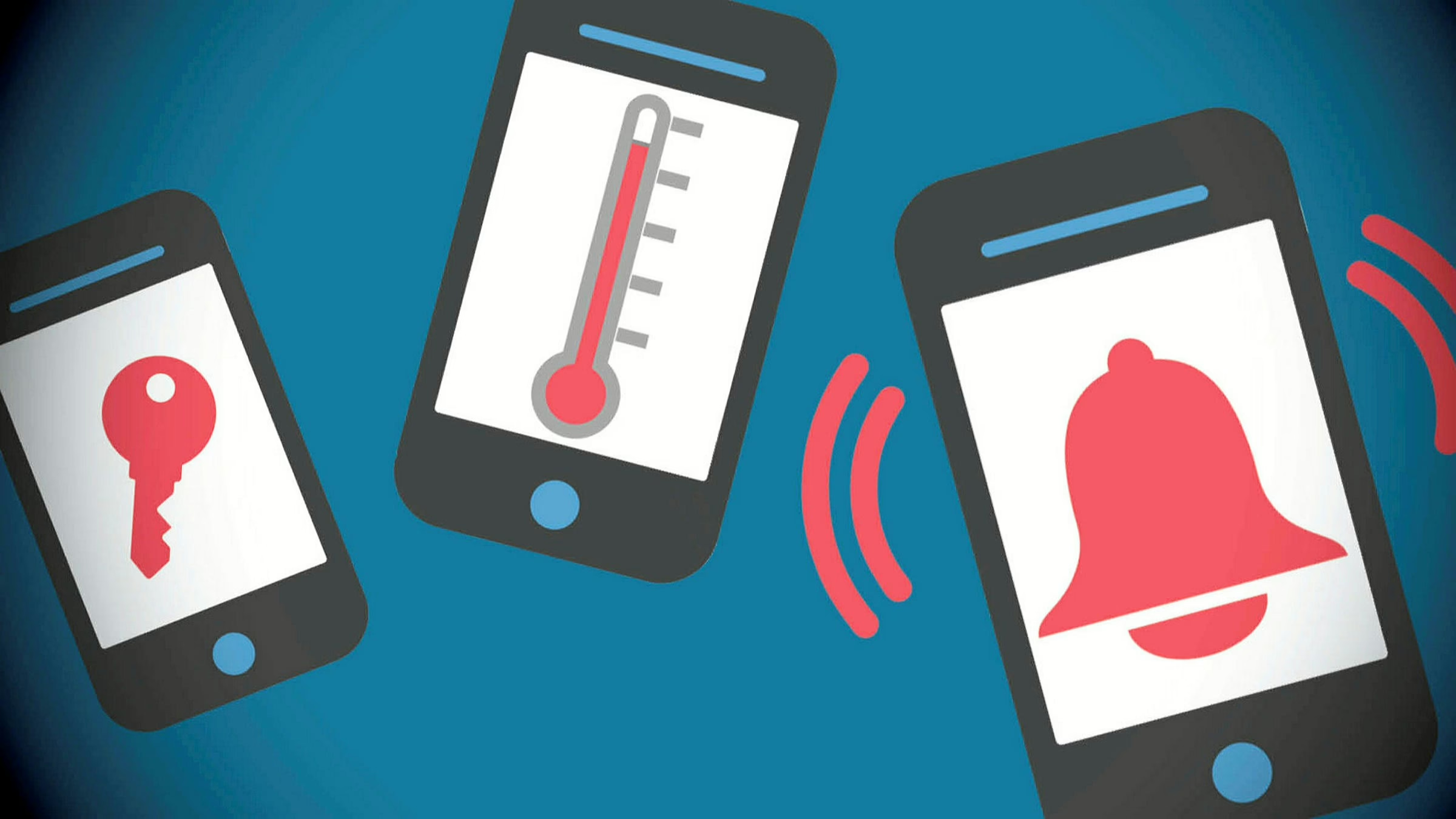
Another method involves creating malicious contact tracing apps for mobile devices. According to a study by Anomali, a threat research company, cybercriminals have impersonated government contact tracing apps in various countries, including Italy, Russia, Singapore, and Colombia. These fake apps install trojan malware like Anubis or Spynote, which can steal users’ personal information. Although these apps are not found in official app stores, users often trust the government branding and inadvertently install the malware.
Protecting Yourself from Cyber Threats
To safeguard yourself from these cyber threats, follow these guidelines:
- Stay Alert: Always be cautious when asked to install something on your device.
- Use Official App Stores: Only install apps from Google’s Play Store or Apple’s App Store.
- Install Security Software: Use mobile security software to protect your device from viruses, ensuring you download it from official app stores.
- Avoid Suspicious Links: Do not click on links in unexpected emails or those leading to potentially fake COVID-19 websites.
- Visit Trusted Websites: Stick to reputable sources like the Centers for Disease Control and Prevention (CDC) for COVID-19 information.
- Watch for Warning Signs: Be wary of generically addressed emails, unexpected emails urging action, poor spelling and grammar, and email attachments.
Employee Training and Awareness
Regular employee awareness training is crucial for every company. Training should cover emerging cyber threats and perennial attack methods such as weak passwords, phishing emails, and social engineering attacks. Conduct training sessions on cybersecurity topics and best practices at least monthly to keep your team informed and vigilant.
By staying informed and cautious, you can protect yourself and your business from the growing threat of fake contact tracing apps and other cyber risks.