MAZE Ransomware – The Triple Threat to Your Data Security
Ransomware has become a favored tool among hacking groups to target companies of all sizes, as seen in the recent compromise of Cognizant and some of its clients by the MAZE ransomware strain. At first glance, this might seem like just another ransomware attack in a long line of incidents affecting businesses, government entities, and non-profits. However, MAZE is not just another ransomware. It represents a triple threat to your data security.
The Unique Threat of MAZE Ransomware
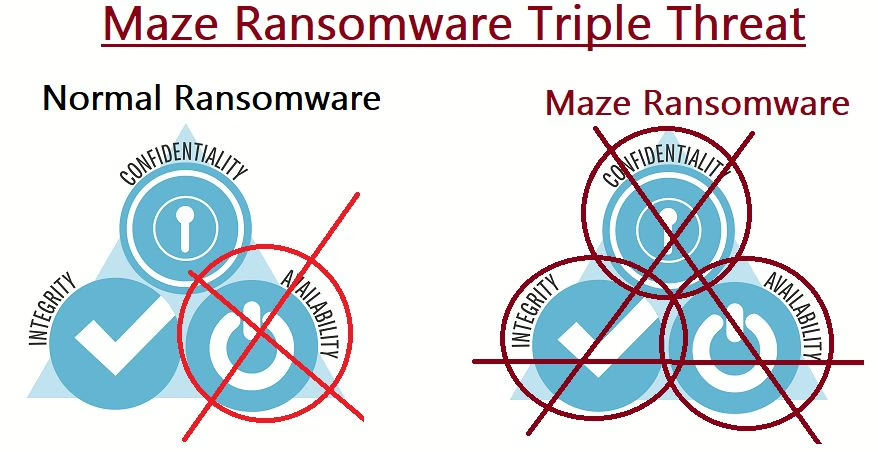
MAZE ransomware is particularly dangerous because it doesn’t just encrypt your data; it also threatens to expose and alter it. Here’s how it poses a triple threat:
Traditional Ransomware Statistics from 2019
Traditional ransomware attacks, which primarily target data availability, have already caused significant damage. According to Heimdal Security, here are some statistics from 2019:
Why MAZE Ransomware is Far Worse
MAZE ransomware puts all three data protection principles at risk: availability, confidentiality, and integrity. While a solid backup strategy can help most companies recover from a ransomware attack, MAZE’s ability to export and release your data publicly adds a new layer of complexity and danger.
Confidential Data Breaches: A Harder Fix
MAZE exports your data to the internet, enabling hackers to release it to the public. This not only breaches confidentiality but also raises questions about data integrity. Can we be certain that the data published online is correct and true? MAZE represents a triple threat to company data, making it a particularly nasty form of ransomware.
Should SMBs Worry About MAZE Ransomware?
Absolutely. Hackers usually take the easiest path to compromising target companies. If they find a VPN that isn’t set up for two-factor authentication, they can exploit this by finding an employee password on the dark web and simply logging in to plant the MAZE ransomware in your environment. If that’s not possible, they’ll send convincing phishing attacks.
Protecting Your Business
To reduce your risks to MAZE and other online threats, follow these cybersecurity best practices: