Mastering Physical Security: A Comprehensive Guide to Safeguarding Your Business
Mastering Physical Security: A Comprehensive Guide
Physical security is a multifaceted concept that goes beyond merely securing machines. It encompasses controlling access to your building and being prepared for emergencies like fires. In this context, monitoring systems such as alarms and cameras play a crucial role.
Securing Physical Equipment
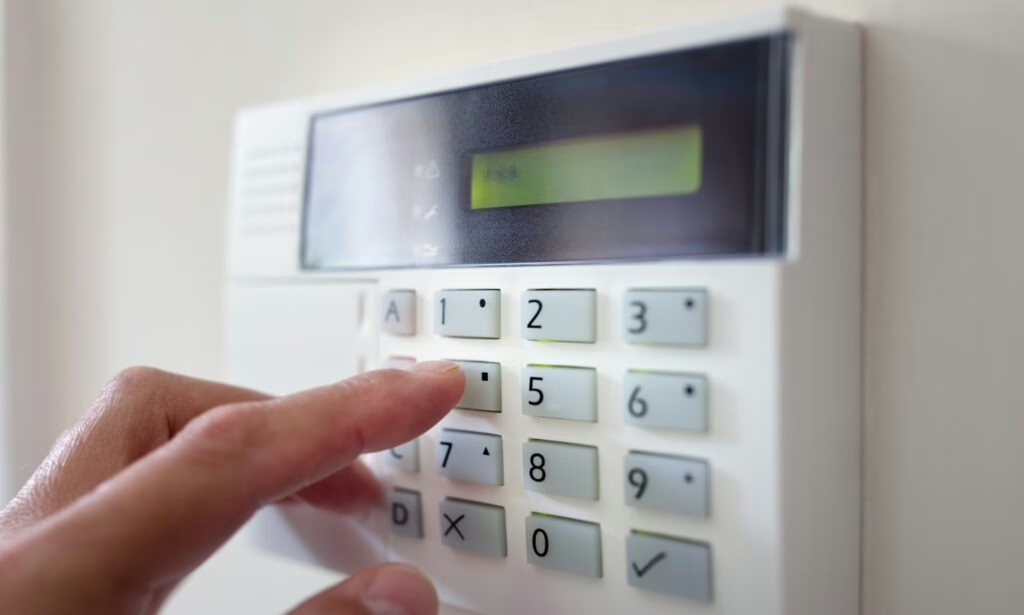
Physical security begins with controlling access to the building and its critical rooms. The most basic step is to have a locked door for the server room. Additionally, it’s essential to document and control who has access to this room. A recommended approach is to use an entry system with an ID card or a password key that records who enters and when.
The server room should not have windows. If it does, they must be reinforced with protection systems to prevent outsiders from seeing inside. The room should be equipped with cooling systems, fire-resistant materials, and necessary protections against disasters. Remember, a fire in the server room can be a significant catastrophe.
While the server room is a critical element, it’s not the only one. Routers or switches distributed throughout the building should be placed in areas inaccessible to unauthorized personnel. Locked cabinets provide a good location for these devices. It’s also common practice to secure workstations to desks with locks to deter theft.
Essentially, any device that is valuable or contains valuable data must be physically secured. When considering data security, it’s becoming common to equip mobile work phones with remote wiping capabilities. This way, if they are stolen or lost, an administrator can remotely erase all data on the phone.
Controlling Building Access
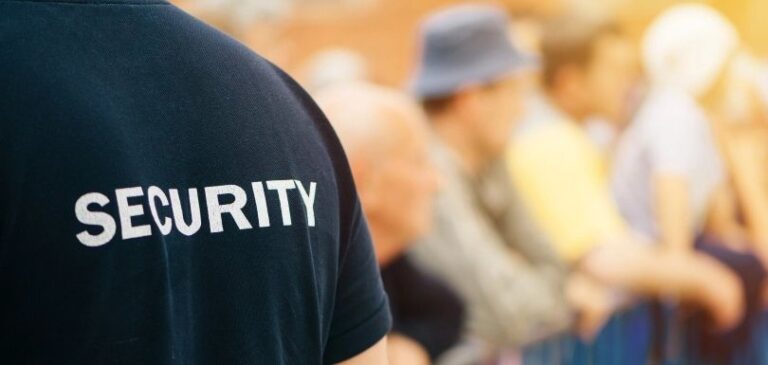
After securing the equipment, you should also control access to the building. A common method is to have a locked door or barrier that requires an employee ID to enter. An entry turnstile is also a good way to monitor who enters and exits your office.
The effort spent on securing physical access to the building will vary depending on the organization’s security needs. Some organizations may require the building perimeter to be fenced with barbed wire of a certain height due to standards like PCI DSS. A mantrap is a security mechanism often used in high-security environments. It consists of two doors with a short corridor between them. The second door cannot open until the first door is closed. This prevents an unauthorized person from following an authorized person through the secure door. The security level can be further enhanced by using different authentication methods for each door. In some cases, the first door requires a key, and the second requires a password. This two-factor authentication system makes it difficult for an intruder to bypass.
Other methods of securing building access include the building’s exterior areas. For example, a parking lot can be designed so that a person must turn at each control point to exit. This slows down a thief or intruder and allows someone to note their license plate or for security personnel to catch them before they escape. Fences are also important. They should be of a certain height. High-security environments may use a high fence with concertina wire. While this may not be suitable for many organizations, a barrier can be enough to slow down intruders.
Lighting is also crucial. Intruders often prefer darkness to reduce the chance of being seen or caught. A well-lit exterior can deter intruders from attempting to enter stealthily. You may have noticed that many retail stores leave their store lights on after closing. This makes it easier for police officers to see if someone is inside the building.
Security Monitoring
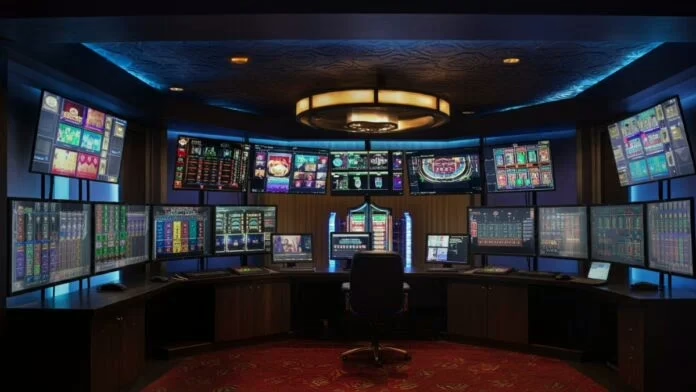
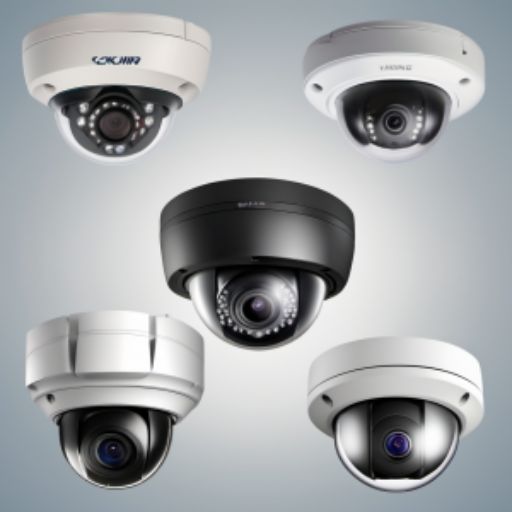
Today, video recording monitoring has become more affordable and complex. High-definition video cameras with night vision capabilities are available at reasonable prices. Retail stores often report a decrease in theft rates when cameras are placed in highly visible areas. When placing cameras inside or around your facility, consider certain points. First and foremost, cameras should be placed to have an unobstructed view of the areas you want to monitor. Of course, all entrances and exits should have camera coverage. Cameras are also used in main interior corridors, just outside critical areas (such as server rooms), and possibly around the perimeter of your building.
Cameras should be placed in a way that makes it difficult for an intruder to disable them. They are usually placed at a height that makes it difficult for a person to reach. On the other hand, you should also consider the types of cameras you place. If you don’t have sufficient external lighting, night vision cameras are important. You can use cameras that transmit their signals to a remote location for storage. If you choose to use a camera feed, make sure the signal is secure to prevent easy interference by a person.
Fire Protection
In the event of a fire disaster, your servers and other equipment can be severely damaged or destroyed. It’s crucial to have adequate fire alarms and extinguishers in your facility. Fire extinguishers are classified based on the type of fire they extinguish:
Fire suppression systems are common in large office buildings. These include:
Having a plan to handle fires is important. Depending on your budget and security requirements, your plan can be as simple as well-placed smoke alarms and fire extinguishers or as complex as a series of fire suppression systems with an alarm system that automatically notifies the fire department.