The Essential Role of Security Guards: Unveiling Their Daily Duties
Ensuring the safety of a space can often feel like a monumental task. Security guards are pivotal in maintaining safety and order. This article delves into their daily tasks, revealing the multifaceted layers of protection they provide.
Key Takeaways
Duties and Responsibilities of a Security Guard
Preventing Crime and Illegal Activities
Security guards play a crucial role in stopping crime before it happens. They keep a watchful eye on suspicious activities and use their training to deter illegal actions. By staying alert, they can quickly identify potential threats and take steps to prevent them from escalating.
Whether they’re monitoring CCTV cameras or conducting foot patrols, their presence alone often discourages criminals from attempting unlawful acts. To ensure safety, these professionals manage access control, verifying identities and preventing unauthorized entry into secure areas. Through continuous surveillance, security officers are the first line of defense against theft, vandalism, and other criminal behavior. Their vigilant observation skills mean they can spot unusual activity fast, allowing them to react promptly and effectively to protect both people and property.
Monitoring and Patrolling Premises
Security guards keep a watchful eye on the surroundings to deter criminal activity and ensure everyone’s safety. They walk or drive through the area at random intervals, vigilant for any unusual behavior that may indicate a security threat. Their presence alone can discourage trespassers and prevent incidents before they happen. By continually checking doors, windows, and gates, guards make sure all possible entry points are secure.
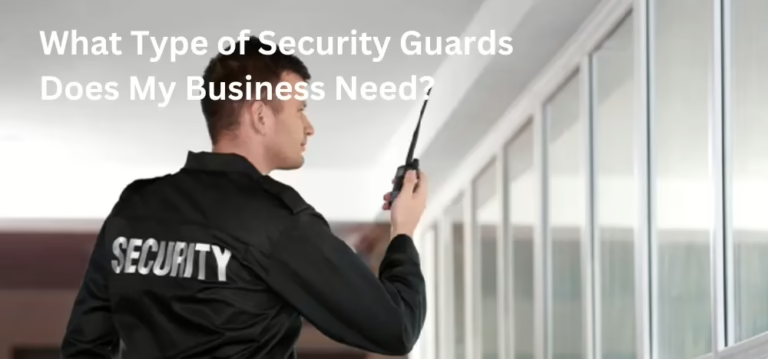
Patrolling isn’t just about walking around; it involves being alert to suspicious activities or potential hazards such as fire risks or maintenance issues. Guards use various tools during their patrols – from flashlights for dark corners to radios for quick communication with other team members. They might also monitor surveillance cameras as part of their routine checks, always ready to respond swiftly if an issue arises.
Responding to Emergencies
In the thick of an emergency, security guards jump into action with swift and decisive measures. They assess situations quickly, alerting everyone to evacuate if needed or directing them to safety. Guards are trained to handle a variety of crises, from medical emergencies where they may provide first aid until paramedics arrive, to potential threats like fires or active intruders where their immediate responses can save lives.
They stay calm under pressure and use their communication skills to coordinate with law enforcement and emergency services. By securing perimeters and managing crowds, they ensure that additional risks are minimized. It’s essential for these professionals to know the ins and outs of the safety protocols of their assigned premises so that in times of crisis, every second counts towards protecting people and property.
Maintaining Records and Reports
Security guards are responsible for maintaining accurate records and reports as part of their duties. This involves documenting incidents, observations, and any other relevant information in a detailed and organized manner.
Communicating Effectively with Law Enforcement
Security guards must be capable of effectively communicating with law enforcement personnel. Clear and concise communication is crucial when reporting incidents or seeking assistance during emergencies.
Guards should provide accurate and detailed information to law enforcement, ensuring a prompt and appropriate response to any situation. Additionally, understanding the protocols for interacting with law enforcement helps security personnel maintain a professional and cooperative relationship, facilitating a safer environment for everyone involved.
Training and Requirements for Security Guards
Security guards must possess qualifications and certifications to ensure they are equipped with the necessary skills for their duties, as well as undergo specific training for different roles and ongoing professional development.
Qualifications and Certifications
To qualify and work as a security guard, candidates must meet specific qualifications and obtain relevant certifications. Below are the key requirements: