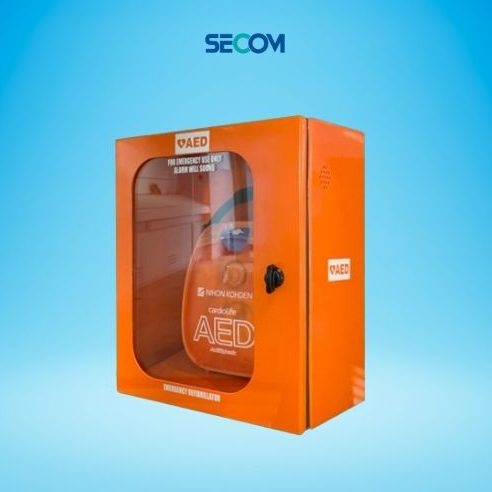
Lifesaving AEDs – Your Ultimate Guide to Understanding and Using Automated External Defibrillators
What is an Automated External Defibrillator (AED)?
An Automated External Defibrillator (AED) is a sophisticated, yet easy-to-use medical device that can make the difference between life and death in cases of sudden cardiac arrest (SCA). These portable devices are designed to analyze heart rhythms and, if necessary, deliver an electric shock to restore the heart’s normal rhythm. What makes AEDs truly remarkable is their user-friendly nature, enabling even untrained individuals to potentially save lives. When activated, AEDs provide clear voice prompts, visual indicators, and written instructions to guide users through the process.
How AEDs Work
AEDs operate by delivering a controlled electric shock to the heart. This shock can halt an irregular rhythm and allow the heart to resume a normal rhythm following a sudden cardiac arrest. The device guides the user through the entire process with intuitive voice prompts, lights, and text messages, ensuring correct and effective usage even in high-pressure situations.
Benefits of AEDs
How to Use an AED
Using an AED is a straightforward process. Here are the step-by-step instructions typically provided by the device:
Who Can Use an AED?
While AEDs are designed to be user-friendly, having some basic training can be beneficial. Many organizations offer AED and CPR training courses. Regular practice can help users feel more confident and prepared in an emergency situation. Remember, in a life-threatening situation, using an AED is better than not using one, even if you’re not fully trained.
Why AEDs Are Essential in Public and Business Places
Sudden cardiac arrests can happen anywhere, at any time. Having AEDs in public places like airports, shopping malls, and schools can significantly increase survival rates. Similarly, having AEDs in business environments can make employees feel safer and more secure, demonstrating a commitment to their welfare.
Maintaining an AED
To ensure an AED is always ready for use, regular maintenance is crucial. This includes checking the battery, pads, and overall condition of the device. Most AEDs perform self-checks and will indicate when maintenance is required.
Conclusion
AEDs are an invaluable tool in the fight against sudden cardiac arrest. By understanding how they work, their benefits, and how to use them, you can be better prepared to act in an emergency. Investing in an AED and ensuring it is well-maintained and accessible can make a life-saving difference. Imagine a device that could save a life in a matter of minutes—that’s exactly what an Automated External Defibrillator (AED) does.