How Remote Monitoring Systems Save Costs and Boost Efficiency
Security and facility management are experiencing a significant transformation, thanks to the advent of remote monitoring systems. In today’s business landscape, there is a growing need to enhance security while simultaneously reducing costs. This shift is evident as more facility managers and security decision-makers opt for remote monitoring systems over traditional on-site setups.
Remote monitoring provides centralized control of alarms, surveillance, and access, enabling quick responses and operational efficiency. This article offers a detailed comparison, highlighting the economic advantages of remote monitoring over conventional systems, using data-driven insights and practical considerations.
What is a Remote Monitoring System?
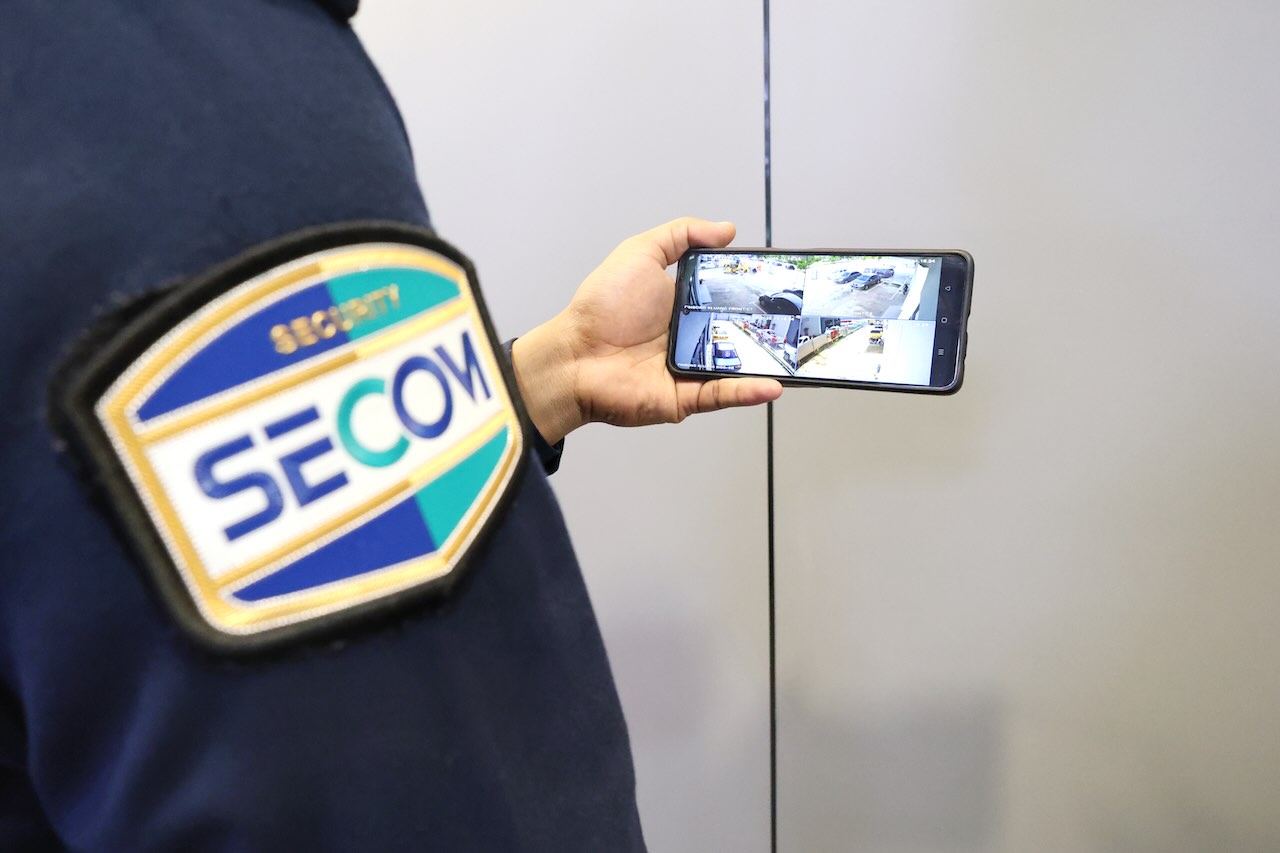
A remote monitoring system utilizes internet-connected devices and cloud platforms to monitor security equipment from anywhere. It integrates cameras, alarms, and access controls into a single central monitoring system, accessible remotely by authorized personnel via computers or smartphones. Remote monitoring minimizes the need for constant physical presence, thereby increasing responsiveness.
What is a Conventional Monitoring System?
Conventional monitoring relies on on-site personnel to physically oversee facilities and manage local equipment. This includes human-monitored alarm systems, access card systems, and CCTV feeds observed in dedicated control rooms. These systems inherently incur higher labor and infrastructure costs and often result in slower threat responses.
Cost Savings with a Remote Monitoring System
| Aspect | Remote Monitoring | Conventional Monitoring |
|---|---|---|
| Staff Costs | Reduced due to fewer on-site staff needs | High due to 24/7 on-site personnel and training expenses |
| Maintenance | Lower with cloud updates and remote diagnostics | Higher with frequent physical equipment maintenance and upgrades |
| Travel Expenses | Eliminated due to remote access | Significant due to on-site inspections and patrols |
| Infrastructure | Centralized, minimizing duplicate hardware | Requires multiple control rooms and equipment at each site |
Remote monitoring systems offer several advantages in terms of cost savings:
- Manpower reduction: Automates many supervisory roles traditionally done by guard personnel.
- Maintenance efficiency: Troubleshooting and upgrades happen remotely, avoiding costly site visits and downtime.
- Operational cost consolidation: Centralized infrastructure lowers energy consumption and equipment redundancy.
Enhanced Efficiency and Scalability
Remote monitoring offers:
- Real-time alerts: Instantaneous notification of security breaches.
- Multi-site management: Monitor numerous properties via a single dashboard, streamlining operations.
- Easy expansion: Add new locations or devices hassle-free, avoiding costly hardware replication.
In contrast, conventional systems:
- Rely on physical presence and manual checks, which slow response times.
- Require dedicated control room operators per location.
- Face higher costs and complexity when scaling infrastructure.
Improved Security Features
Remote systems integrate advanced technologies for superior protection:
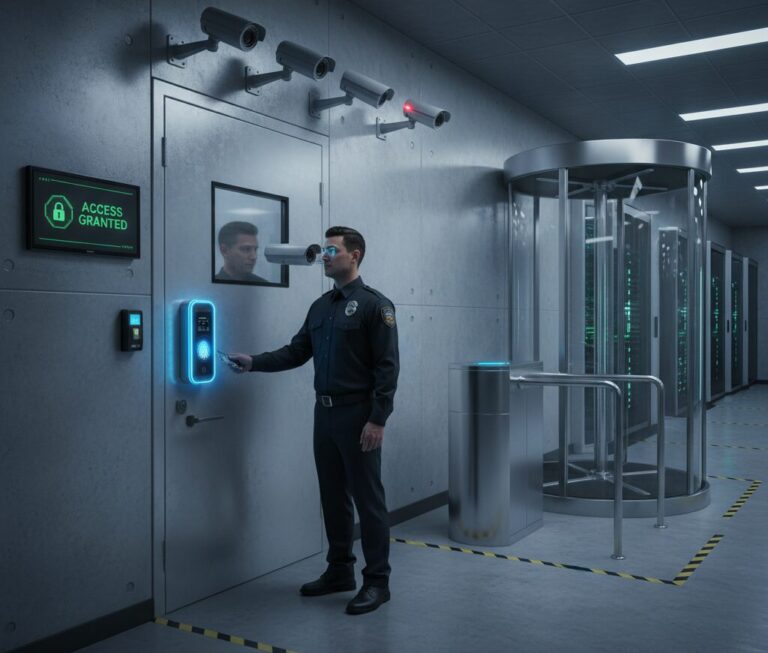
- Access card systems: Provide granular access control and real-time activity tracking.
- Alarm systems: Use automation and AI to reduce false alarms and improve accuracy.
- CCTV camera systems: Offer high-resolution, night vision, and motion detection integrated into remote dashboards.
Traditional systems:
- Often operate with standalone hardware lacking integration.
- Depend on human monitoring accuracy, which is subject to fatigue or error.
- Struggle to connect diverse security components cohesively.
Emergency Preparedness
Remote monitoring enhances rapid emergency response by linking:
- On-site AED (Automated External Defibrillators) that can be remotely monitored to ensure availability and maintenance status.
- Immediate alerting to emergency services.
- Real-time communication between security, medical teams, and facility managers.
Conventional methods may delay notification due to fragmented communication and slower manual processes.
Why Businesses Prefer Remote Monitoring Systems
Businesses choose remote systems for:
- Operational cost-effectiveness, with consolidated control and fewer personnel required.
- Comprehensive security combining technology and professional security guard services.
- Future-proofing, utilizing evolving tech without costly physical updates.
- Compliance with modern safety and security regulations via sophisticated security alarm systems.
Conclusion
Remote monitoring systems significantly reduce costs, enhance efficiency, and improve security compared to conventional setups. They offer scalable, centralized control with better emergency integration. For facility managers aiming for cost-effective, future-ready security, remote monitoring is the smart, practical choice.
Explore advanced remote monitoring solutions today to enhance security while reducing costs. Visit our website to learn more about customizable central monitoring systems and services tailored to your needs.
Frequently Asked Questions
- How does remote monitoring reduce costs?
It lowers staff needs, cuts maintenance expenses, and eliminates travel with centralized, internet-based management. - Is remote monitoring scalable for multiple sites?
Absolutely. One interface manages many sites, allowing seamless addition with minimal infrastructure. - What security systems integrate with remote monitoring?
Systems like access card systems, sophisticated alarm systems, and CCTV camera systems integrate fully. - Does remote monitoring improve emergency response?
Yes, with integration of AED (Automated External Defibrillators) and swift remote alerts. - Who benefits the most from remote monitoring?
Retailers, industrial facilities, and businesses with multiple locations benefit greatly from remote, cost-effective security.