Top 7 Pro Tips to Supercharge Your Construction Site Security
Making sure your construction site is secure is a super important part of any construction project. It’s all about putting measures in place to keep workers, visitors, and the local community safe, as well as looking after the project’s equipment and materials. A secure construction site helps prevent accidents, theft, and vandalism, which can really mess with your project’s timeline and budget.
Hurdles in Keeping Construction Sites Secure
Keeping construction sites secure is a constant challenge with plenty of issues. Construction sites are especially vulnerable because of the valuable materials they hold. Different contractors visit the site, and tons of vehicles, materials, and equipment come and go. At the end of each day, the site looks different, making security management like trying to hit a moving target.
Main Challenges Include:
Pro Tips for Leveling Up Construction Site Security
To tackle these risks, construction companies should put in place comprehensive security plans that include both physical and cybersecurity measures. Regular security checks and worker training are also key.
1. Create a Detailed Security Plan
The first step in securing a construction site is to make a detailed security plan. This plan should outline all security measures, like access control, perimeter fencing, lighting, and security cameras. It should also define the roles and responsibilities of the security team and set up clear communication rules for emergencies.
2. Secure the Boundary
Setting up a secure perimeter is crucial. Use fencing, barricades, or other physical barriers to stop unauthorized access. Clearly mark the perimeter with warning signs and limit access points, making sure all entrances are closely watched.
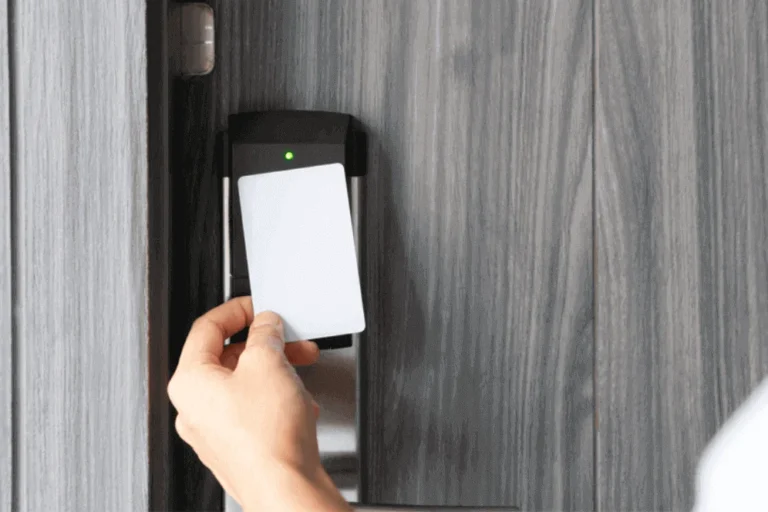
3. Set Up Access Control
Access control is vital for keeping security tight. Make sure all workers and visitors sign in and out and check their ID. Do regular inspections to ensure all workers have the right clearance. Visitors should be with authorized personnel at all times, and deliveries should be thoroughly checked.
4. Improve Lighting
Good lighting is essential for scaring off criminals. Well-lit areas lower the risk of theft and vandalism. Make sure the perimeter and active work areas are well-lit, and think about using motion-activated lighting to save energy.
5. Install Security Cameras
Security cameras offer 24/7 surveillance, letting security staff monitor the site in real-time. Put cameras in smart spots to cover all access points, the perimeter, and high-risk areas. Connect them to a central monitoring system that alerts security folks to any dodgy activity.
6. Protect Equipment and Materials
Equipment and materials are easy targets for theft and vandalism. Lock up all equipment when not in use and store materials in secure areas. Do regular patrols to check for signs of tampering or theft.
7. Train Staff
Train all staff on the security plan and protocols. Make sure they know the risks and why it’s important to follow security procedures. Give training on how to respond to emergencies, like fires or intrusions.
Wrapping Up
Securing a construction site is super important for the safety and success of any construction project. By putting in place a comprehensive security plan that includes perimeter fencing, access control, lighting, security cameras, and regular checks, construction sites can keep security risks to a minimum and protect workers, equipment, and materials. For more info on construction security, chat with security experts to develop and put in place effective security measures.