The Ultimate Guide to Hotel Security: Ensuring Your Safety Away from Home
Traveling, whether for business or leisure, is an enriching experience that broadens our horizons. However, it also exposes us to various risks and uncertainties. This is where the importance of hotel security comes into play. Hotel security is not just about locking doors and having security personnel on-site; it’s a comprehensive approach aimed at safeguarding guests and their belongings. In this guide, we’ll explore the intricate world of hotel security, ensuring your next hotel stay is both pleasant and secure.
The Role of Hotel Security
Protecting Guests and Property
Hotel security serves a dual purpose: protecting the safety of guests and preserving the integrity of the property. It’s a round-the-clock endeavor that begins the moment a guest steps through the front doors. Hotels often collaborate with local law enforcement agencies to ensure a swift and effective response in case of emergencies, creating a safer environment for everyone.
Key Components of Hotel Security
Surveillance Systems
Surveillance cameras are the watchful eyes of hotel security. They monitor public areas, hallways, and entrances, deterring potential threats and providing valuable evidence if an incident occurs. Modern surveillance systems often incorporate advanced technologies like facial recognition and motion detection for enhanced security.
Access Control Measures
Access control systems, such as key cards and biometric scanners, restrict entry to authorized personnel and guests. These technologies enhance security while maintaining convenience, ensuring that only those with proper credentials can access specific areas within the hotel.
Personnel in Hotel Security
The Duties of Security Staff
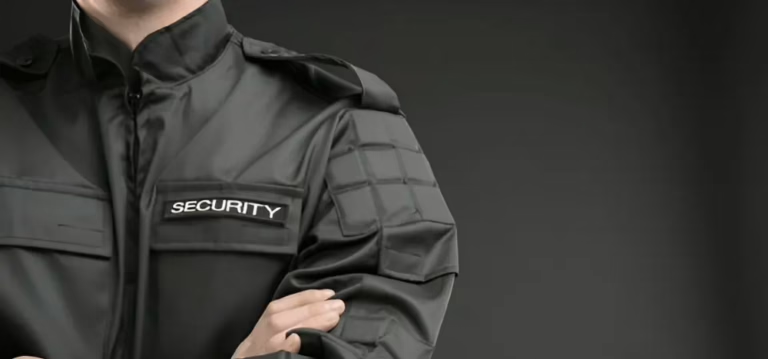
Security personnel are the frontline defense of hotel security. They patrol the premises, respond to incidents, and ensure a safe and welcoming environment for guests. Their duties include monitoring surveillance systems, conducting regular inspections, and coordinating with local law enforcement when necessary.
Training and Qualifications
Security staff undergo extensive training to handle various situations, from minor disturbances to major emergencies. Their qualifications ensure they are prepared for any security challenge, including crisis management, first aid, and conflict resolution.
Emergency Response Protocols
Dealing with Fire Incidents
Hotels have strict fire safety protocols in place, including alarms, sprinkler systems, and evacuation plans. Staff are trained to act swiftly in case of a fire emergency, ensuring the safety of all guests and personnel. Regular fire drills and inspections are conducted to maintain readiness and compliance with safety regulations.
Handling Medical Emergencies
From minor injuries to life-threatening situations, hotel staff are trained to provide immediate assistance and coordinate with medical professionals when necessary. Many hotels have first aid kits and automated external defibrillators (AEDs) readily available, and staff are certified in basic life support techniques.
Guest Safety Measures
Safe Room Features
Some hotels offer specially designed safe rooms with reinforced doors and communication systems, providing an extra layer of security for guests. These rooms may also include additional safety features such as panic buttons, emergency supplies, and secure safes for valuables.
Communication with Guests
Clear communication with guests is essential. Hotels often provide safety information and emergency contact details in guest rooms to keep guests informed and at ease. This information may include evacuation routes, emergency procedures, and contact numbers for hotel security and local emergency services.
Security in Public Areas
Lobby Security
Lobby areas are high-traffic zones where security measures, such as surveillance and access control, are crucial for maintaining order and safety. Hotels may also employ security personnel to monitor the lobby, assist guests, and deter potential threats.
Parking Lot Safety
Parking lots can be vulnerable areas, and hotels implement security measures to deter theft and vandalism. These measures may include surveillance cameras, adequate lighting, and regular patrols by security personnel.
Security for Special Events
Weddings and Conferences
Special events require careful planning and enhanced security measures. Hotels provide security for events like weddings and conferences to ensure the safety of attendees. This may include crowd control, access management, and coordination with event organizers and local law enforcement.
VIP Guest Arrangements
VIP guests often require enhanced security measures, including private security personnel and secure accommodations. Hotels work closely with VIP guests and their teams to ensure their safety and privacy, providing discreet and professional security services.
Security in High-Risk Areas
International Travel Considerations
Traveling to high-risk areas demands heightened security measures, such as risk assessments and coordination with local authorities. Hotels in these regions often have specialized security protocols and trained personnel to ensure the safety of their guests.
Conflict Zones
Hotels in conflict zones face unique security challenges. They often work closely with international organizations and security firms to protect guests and staff. These hotels may have reinforced structures, secure perimeters, and advanced security technologies to mitigate risks.
Regulatory Compliance
Legal Requirements for Hotel Security
Hotels must adhere to local and international laws governing security practices. Non-compliance can result in fines and legal consequences. It’s essential for hotels to stay up-to-date with changing regulations and maintain a proactive approach to security management.
Audits and Inspections
Regular audits and inspections ensure that hotels meet security standards and continuously improve their security measures. These evaluations help identify potential vulnerabilities, assess the effectiveness of current security protocols, and implement necessary enhancements.
Ensuring Guest Privacy
Surveillance vs. Privacy
Balancing security with guest privacy is crucial. Hotels must use surveillance judiciously to avoid intruding on guests’ personal space. Clear policies and procedures should be in place to govern the use of surveillance technologies and protect guest privacy.
Data Protection Laws
Hotels must also comply with data protection laws to safeguard guest information and maintain trust. This includes implementing secure data storage and processing systems, as well as training staff on proper data handling procedures. Guests should be informed about the hotel’s data protection policies and their rights regarding their personal information.
Security Trends and Innovations
Artificial Intelligence in Security
AI-powered security systems are becoming more common, offering real-time threat detection and enhanced surveillance capabilities. These advanced technologies can analyze vast amounts of data, identify patterns, and predict potential security risks, enabling hotels to proactively address threats and improve overall security.
Sustainable Security Practices
Hotels are increasingly adopting sustainable security practices, minimizing their environmental impact while maintaining security. This may include using energy-efficient security technologies, implementing waste reduction strategies, and incorporating eco-friendly materials and designs into security infrastructure.
Conclusion
Hotel security is a multifaceted endeavor that goes beyond mere physical measures. It encompasses technology, personnel, and a commitment to guest safety. By understanding the nuances of hotel security, travelers can make informed choices and contribute to a safer and more enjoyable hospitality experience. So, the next time you check into a hotel, you’ll not only enjoy your stay but also have peace of mind knowing that your safety is a top priority. For more information on hotel security, consider consulting with a reputable security company.
FAQs
- Is hotel security the same everywhere?
Hotel security measures may vary depending on the location, size, and type of hotel. However, the fundamental principles of hotel security remain consistent, focusing on guest safety, property protection, and emergency preparedness. - What should I do in case of an emergency at a hotel?
In case of an emergency, follow the hotel’s emergency procedures, which are typically posted in your room or available at the front desk. Familiarize yourself with evacuation routes and emergency contact numbers upon check-in. - How can I ensure my valuables are safe in a hotel?
Use the hotel safe or secure your valuables in your room safe if available. Avoid leaving valuable items unattended in public areas, and consider using additional security measures like luggage locks. - What role do hotel staff play in security?
Hotel staff are trained to be vigilant and responsive to potential security threats. They play a crucial role in monitoring the premises, assisting guests, and coordinating with security personnel and local law enforcement when necessary. - How has technology improved hotel security?
Technology has significantly enhanced hotel security through advanced surveillance systems, access control measures, and real-time threat detection capabilities. Innovations like AI-powered security and mobile security apps have further strengthened hotels’ ability to protect guests and property.