The Ultimate Guide to Construction Site Security
Construction sites are often targeted by thieves and vandals due to the valuable equipment and materials left in the open. While the level of risk may vary depending on the location, construction sites can also be exposed to threats such as vandalism and terrorism.
Common Security Threats at Construction Sites
- Theft: High-value materials and equipment, whether on-site or in transit, can attract opportunistic thieves.
- Vandalism: This can stem from personal grudges, corporate vendettas, or mindless destruction.
- Terrorism: There is a risk of terrorists planting devices to carry out destructive acts once construction is complete.
Who is Responsible for Construction Site Security?
Primarily, the site operator is responsible for security. However, some companies prefer to hire specialized security agencies to handle this critical task. Construction sites pose unique security challenges due to the presence of valuable materials and equipment, as well as the frequent access required by outside contractors.
Key Steps in Construction Security
Effective construction security involves a thorough threat analysis and risk assessment. While pre-planning helps address potential issues, risks must be regularly reassessed. A risk register is often used to keep track of all identified risks. According to the Security Industry Association (SIA), there are two types of risk registers:
- Raw Risk Register: This catalogs identified risks along with their likelihood and impact before any mitigation measures are applied. It includes a “Risk Appetite” for each risk and outlines measures to reduce the risk to an acceptable level.
- Residual Risk Register: This details how mitigation measures have reduced the perceived level of risk, ideally below the “Risk Appetite.” It forms the output of the risk analysis.
Once risks are assessed and categorized in the Raw Risk Register, mitigation strategies are applied. These strategies can involve ignoring, exporting, or addressing the risk. The information is then recorded in the Residual Risk Register.
Principles of Risk Mitigation
The basic principles of risk mitigation include:
- Deterrence
- Detection
- Delay
- Response
It is considered best practice to provide security at each layer of the construction project, with different roles performed at different levels and stages. This layered security approach can be visualized as onion layers, with each layer guarded by a different security protocol.
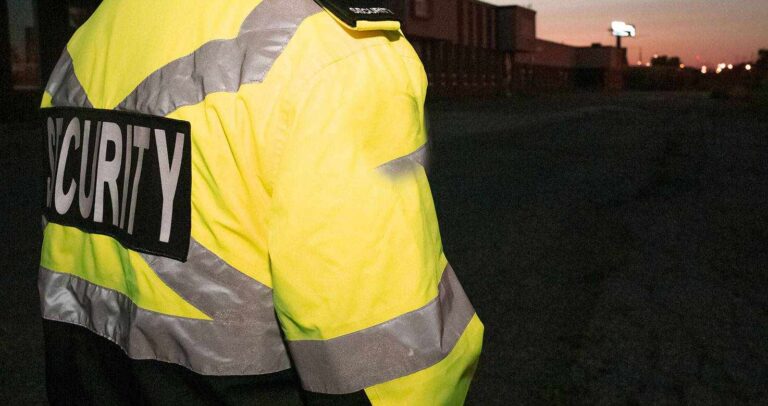
The Role of Security Guards at Construction Sites
The primary role of security guards at construction sites includes:
- Patrolling
- Static guarding
- Checking personnel and vehicles before allowing entry or exit
- Responding to security threats
Security guards work closely with the site operator or manager and must be properly trained in handling relevant security equipment. They should also hold a valid SIA license when employed through an agency.
For specialized construction security personnel with considerable experience, companies like G3 Security Services can provide expert assistance. Ensuring the safety and security of construction sites is crucial for the successful completion of any project.