Protect Your Home – 20 Tips for Your Safety!
Our home is not just a place where we reside, but also a special area where we keep our most valuable belongings and feel safe with our loved ones. However, increasing theft cases and cyber threats make home security more important than ever. In this article, you will find 20 practical tips you can implement to protect your home and loved ones. These tips cover a wide range, from traditional methods to smart home technologies, from personal security measures to cybersecurity strategies. Remember, taking proactive home security measures is the most effective way to minimize potential risks. The FBI’s crime statistics emphasize the importance of investing in home security.
Increase Physical Security
Physical measures form the basis of home security. Factors such as the robustness of doors and windows, outdoor lighting, and garden arrangement can make it difficult for thieves to enter your home. Being aware of how to prevent home break-ins makes your home more resistant to potential threats.
Door and Window Security
Strengthen your doors: Make sure your exterior doors are made of solid wood or steel. Reinforce door frames and use high-security locks. Install window locks: Install locks on all your windows and check them regularly. Apply shatterproof window film: These films applied to window panes make it difficult for the glass to break and prevent thieves from entering. Safewise’s home security guide emphasizes the importance of door and window security.
Outdoor Lighting and Garden Arrangement
Use motion sensor lighting: By placing motion sensor lighting around your home, you can ensure that the lights turn on when any motion is detected at night. This deters thieves and attracts the attention of your neighbors. Keep your garden tidy: High bushes and trees can create hiding places for thieves. Therefore, prune your garden regularly and avoid plants that obstruct the view. Garden arrangement holds an important place in the best DIY home security checklist.
Smart Home Security Systems
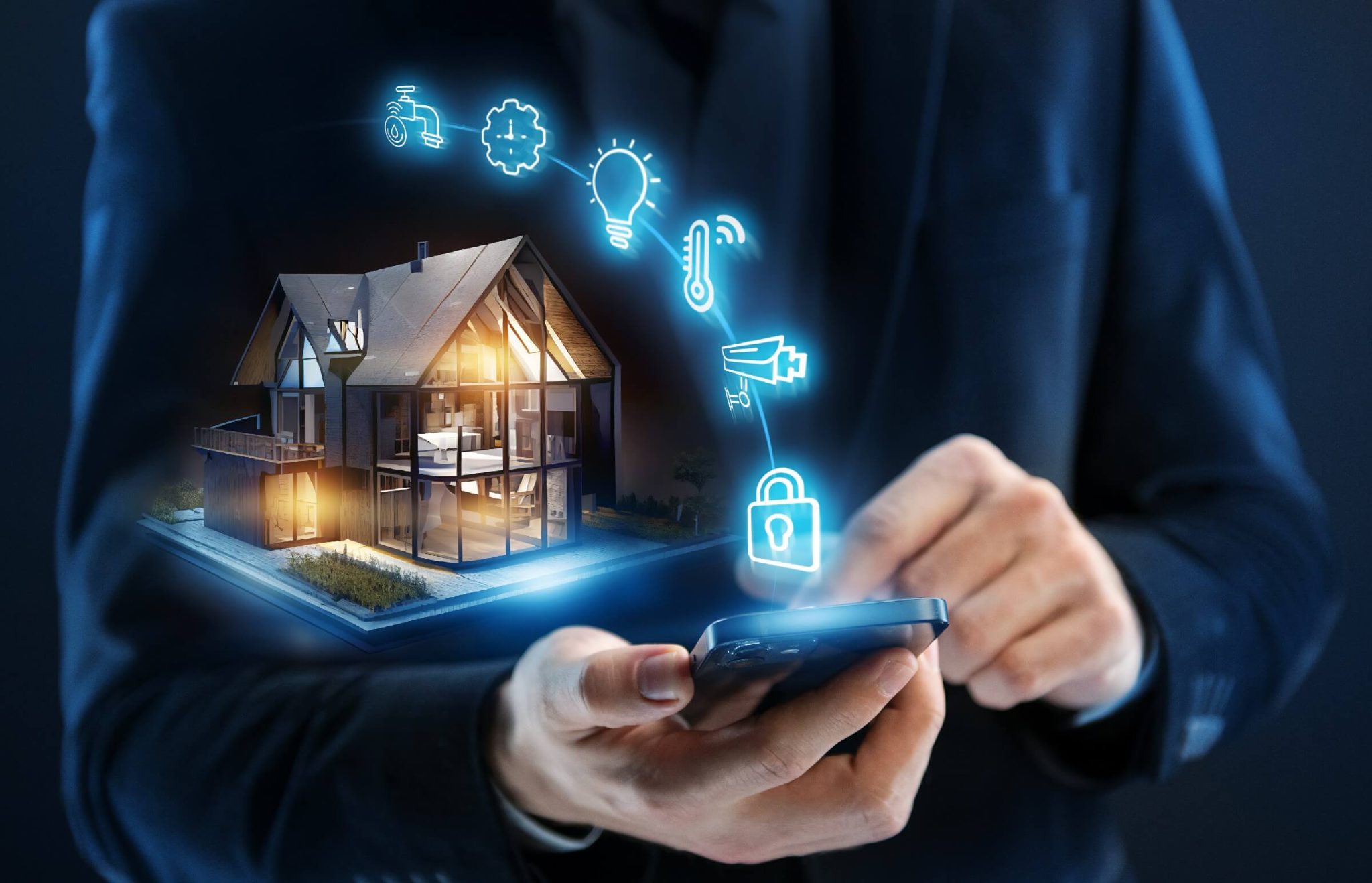
Smart home technologies can take your home security to the next level. Security cameras, alarm systems, and smart locks can monitor your home 24/7 and instantly alert you in the event of a potential threat. However, it is important to be careful about smart home security vulnerabilities and update your systems regularly.
Security Cameras
Place outdoor cameras: Use outdoor cameras to monitor the entrances and exits, backyard, and garage of your home. By following an outdoor security camera placement guide, make sure the cameras are placed at the correct angles and effectively. Use indoor cameras: You can use indoor cameras to monitor your pets or children. However, place the cameras carefully to protect your privacy and turn them off when not in use. AI in video surveillance systems improve image analysis, providing smarter and more effective security solutions.
Alarm Systems
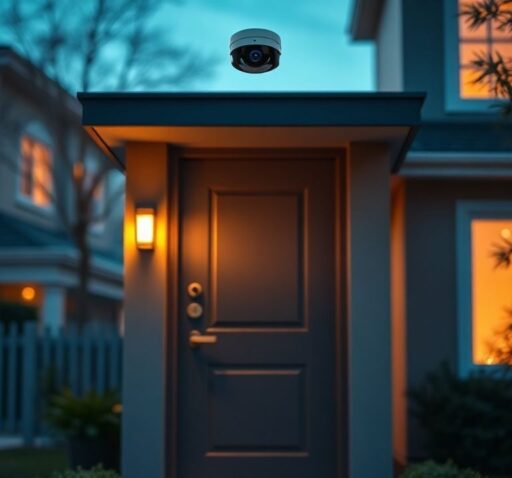
Install a professional alarm system: A professional alarm system monitors your home 24/7 and automatically calls the police in the event of a burglary. Install a DIY alarm system: As a more affordable option, you can install DIY alarm systems. These systems are usually wireless and easy to install. Technologies used in access control systems for business can also be adapted for home security.
Cybersecurity Measures
Nowadays, home security includes not only physical security but also cybersecurity. Protecting your smart home devices and personal information is critical to the overall security of your home. Being aware of how to secure your online identity can help you prevent potential cyberattacks.
Wi-Fi Security
Use a strong password: Use a complex and hard-to-guess password for your Wi-Fi network. Change your password regularly. Use WPA3 encryption: Enable the WPA3 encryption protocol on your Wi-Fi router. This protocol is more secure than WPA2. Taking public Wi-Fi safety precautions is important to protect your home network.
Smart Home Device Security
Change default passwords: Change the default passwords of your smart home devices immediately. Be aware of IoT device security risks and update your devices regularly. Use two-factor authentication: Use two-factor authentication wherever possible. This makes it harder for unauthorized access to your account. The future of home automation security systems aims to provide safer and smarter solutions.
Personal Safety and Awareness
Home security is not just limited to technological measures. Personal safety and awareness are also important. Paying attention to what is happening around you allows you to recognize potential dangers in advance and take precautions. Taking situational awareness training can help you increase your personal safety.
Pay Attention to Your Surroundings
Report suspicious activities: If you see a suspicious activity around you, report it to the police. Stay in touch with your neighbors: By staying in touch with your neighbors, you can keep an eye on each other’s homes. Learning personal safety techniques allows you to know how to react in unexpected situations.
Travel Security
Take precautions before traveling: Before traveling, notify your neighbors, empty your mailbox, and increase the security of your home. Preparing a travel security checklist ensures that your home remains safe during your trip.
Protection Against Identity Theft
Identity theft has become an increasing threat today. The theft of your personal information can lead to financial losses and damage to your reputation. Being aware of how to protect yourself from identity theft can help you prevent identity theft.
Online Security
Watch out for phishing emails: By following a phishing scam detection guide, do not click on suspicious emails and do not provide your personal information. Use strong passwords: Use complex and hard-to-guess passwords for your online accounts. Change your passwords regularly. Applying digital footprint protection tips helps protect your online reputation.
Financial Security
Check your credit card statements: Check your credit card statements regularly and report suspicious transactions immediately. Check your credit report: Check your credit report annually and correct any inaccurate information. Developing data breach prevention strategies helps protect your financial data.
Home security is a process that requires constant attention and care. The 20 tips presented in this article include important steps you can take to protect your home and loved ones. Remember, the best defense is to be proactive. Review your home security regularly, update your precautions against current threats, and stay safe. Developments in small business cybersecurity solutions can also inspire home security.