The Hacker News – Cybersecurity
One of the most pressing issues in cybersecurity today is the overwhelming number of vulnerabilities that organizations face. With cybercriminals constantly developing new methods to exploit weaknesses, understanding how to effectively manage and mitigate these vulnerabilities is critical. This is where innovative solutions like DASR and PHASR come into play. These advanced frameworks are designed to automate the hardening process, significantly reducing the attack surface and enhancing overall security posture.
Understanding DASR and PHASR
DASR and PHASR are not just buzzwords; they represent strategic approaches to cybersecurity that leverage automation and machine learning. DASR focuses on identifying and minimizing potential entry points for attackers by continuously assessing the security landscape and adapting defenses accordingly. It utilizes real-time data to adjust security measures, ensuring that organizations are not only reactive but proactive in their approach to threat management.
On the other hand, PHASR emphasizes the importance of preemptive measures. This framework aids organizations in hardening their systems before vulnerabilities can be exploited. By automating security responses and implementing best practices consistently, PHASR helps organizations maintain a robust defense against evolving threats.
Benefits of Automating Cybersecurity
Automating cybersecurity processes offers several advantages that can lead to improved efficiency and effectiveness in threat management. Firstly, automation reduces the time required to respond to incidents. In a landscape where every second counts, having automated systems in place can mean the difference between thwarting an attack and suffering a breach.
Secondly, automation minimizes human error, which is a significant factor in many security incidents. By relying on automated tools to carry out repetitive tasks and monitor systems, organizations can reduce the risk of oversight that may lead to exploitable vulnerabilities.
Moreover, with the ever-increasing volume of security alerts, automation enables security teams to focus their efforts on high-priority threats rather than getting bogged down by minor issues. This prioritization ensures that resources are allocated where they are needed most, enhancing the overall security strategy.
Best Practices in Cybersecurity Training
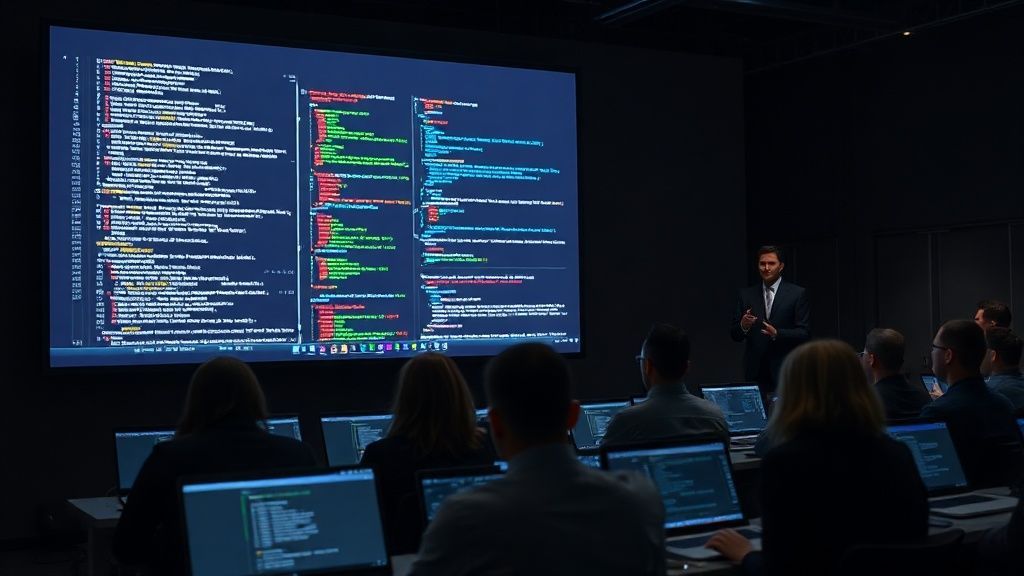
While technology plays a crucial role in cybersecurity, the human element cannot be overlooked. Ongoing training and awareness programs are essential for fostering a culture of security within organizations. Employees should be educated about the latest threats, phishing schemes, and best practices for maintaining security in their daily operations.
Regular training sessions, workshops, and interactive webinars can equip employees with the knowledge they need to recognize and respond to potential threats effectively. Additionally, organizations should encourage a reporting culture where employees feel empowered to report suspicious activities without fear of repercussions.
Staying Informed on Cybersecurity Trends
To maintain a strong security posture, organizations must stay informed about the latest trends and developments in cybersecurity. Following reputable sources like The Hacker News can provide valuable insights into emerging threats, new technologies, and best practices. Subscribing to newsletters, attending webinars, and participating in industry conferences can also help organizations keep their cybersecurity strategies up to date.
In conclusion, as cyber threats continue to evolve, organizations must prioritize their cybersecurity efforts. By leveraging innovative solutions like DASR and PHASR, automating processes, and investing in employee training, businesses can enhance their security posture and better protect their valuable assets. The Hacker News serves as a vital resource for staying informed and equipped to tackle the ever-changing landscape of cybersecurity. Register for upcoming webinars to deepen your understanding and strengthen your defenses against potential attacks.
The Frontline of Digital Defense: Navigating Cybersecurity Trends in 2025
In an era where data is more valuable than oil, the digital battlefield is constantly shifting. For IT professionals, CISOs, and business owners, keeping up with the rapid pace of cyber threats is no longer optional—it is a survival requirement. Platforms like The Hacker News have become essential resources, providing real-time intelligence on vulnerabilities that can cripple economies.
This article delves into the current cybersecurity landscape, analyzing the emerging threats reported by top industry sources and the defense mechanisms required to stay ahead of the curve.
The Evolving Threat Landscape – Beyond Basic Malware
Gone are the days when a simple antivirus program was enough. Today, trusted cybersecurity news outlets report on sophisticated, multi-layered attacks that bypass traditional perimeters.
Ransomware 2.0 – The Double Extortion Strategy
Ransomware remains the top nemesis for global enterprises. However, the tactic has evolved. Attackers are no longer just encrypting data; they are exfiltrating it. This “double extortion” method implies that even if a company restores its data from backups, the attackers threaten to leak sensitive customer information online unless the ransom is paid.
Supply Chain Vulnerabilities
As highlighted in major reports on The Hacker News, supply chain attacks are devastating because they exploit trust. By compromising a single software vendor, hackers can infiltrate thousands of downstream clients. Securing third-party access is now just as critical as securing your internal network.
Artificial Intelligence – The Double-Edged Sword
One of the most discussed topics in modern InfoSec is the role of Artificial Intelligence (AI).
- AI for Attackers: Cybercriminals are utilizing generative AI to craft convincing phishing emails (overcoming language barriers) and to automate the discovery of zero-day vulnerabilities.
- AI for Defenders: Conversely, security operations centers (SOCs) use AI-driven behavioral analysis to detect anomalies that human analysts might miss, responding to threats in milliseconds.
The Importance of Real-Time Intelligence
Why are platforms like The Hacker News critical in this ecosystem? The window of opportunity between a vulnerability disclosure (CVE) and its exploitation is shrinking.
Strategic Defense: Adopting a Zero Trust Architecture
To combat these advanced persistent threats (APTs), the industry is moving specifically toward a Zero Trust model. The core principle is simple: “Never Trust, Always Verify.”
Key Pillars of Zero Trust:
- Identity Verification: robust Multi-Factor Authentication (MFA) is non-negotiable.
- Least Privilege Access: Users are given only the minimum level of access necessary to perform their jobs.
- Micro-segmentation: Dividing the network into small zones to prevent an attacker from moving laterally even if they breach the perimeter.
Building a Resilient Future
Cybersecurity is not a product; it is a process. Whether you are following the latest alerts on The Hacker News or auditing your internal protocols, vigilance is key. As we move further into 2025, the convergence of AI, cloud security, and strict data governance will define the winners and losers of the digital economy.