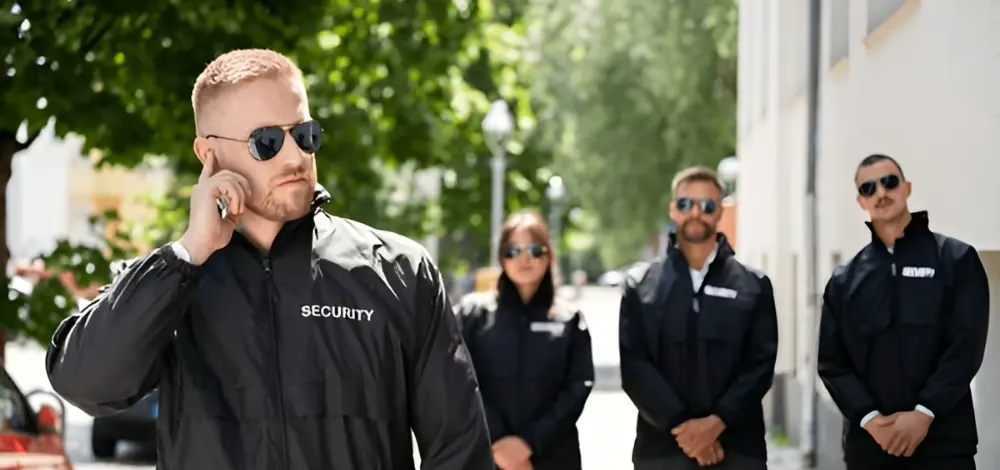
The Essential Role of Security in Event Management
When we attend events like music concerts, sports games, or festivals, we expect to have a fantastic time filled with joy and excitement. However, behind the scenes, a crucial element works tirelessly to ensure our safety and well-being. That element is event security. In this article, we will delve into the vital role of security in events and the measures taken to create a secure environment for all attendees.
The Importance of Security in Events
The primary purpose of event security is to guarantee the safety and well-being of everyone present. Events gather large numbers of people in confined spaces, making it essential to have measures in place to handle potential risks and emergencies effectively. Let’s explore the key aspects highlighting the importance of security in events.
Ensuring Safety and Well-Being
The foremost responsibility of event security is to create a safe environment for attendees. Security personnel are trained to identify potential threats, respond swiftly to emergencies, and provide assistance when needed. By implementing comprehensive security protocols, they can prevent incidents such as fights, stampedes, or any form of violence that may jeopardize the safety of the attendees.
Managing Crowd Control
Events often attract large crowds, and effective crowd control is crucial to maintain order and prevent chaos. Security personnel are trained in crowd management techniques to ensure a smooth flow of people, reduce congestion, and prevent overcrowding in sensitive areas. By managing crowd control efficiently, they can minimize the risks associated with large gatherings and maintain a comfortable environment for everyone.
Preventing Unauthorized Access
One of the critical roles of event security is to prevent unauthorized access to restricted areas or the event premises. By enforcing access control measures, security personnel can ensure that only authorized individuals, such as staff, performers, and accredited personnel, are granted entry to specific areas. This helps maintain the integrity of the event and safeguards the privacy and safety of attendees.
Hiring Professional Security Services
To effectively address security concerns, event organizers often rely on professional security services. These security firms specialize in providing trained personnel and expertise to handle various security challenges that may arise during an event.
Qualifications and Training
Security personnel hired for events undergo rigorous training programs to equip them with the necessary skills and knowledge. They are trained in crowd management, conflict resolution, first aid, emergency response, and other essential areas. By ensuring that security personnel are well-qualified and trained, event organizers can maintain a high standard of security.
Assessing Risks and Implementing Safety Measures
Professional security services conduct thorough risk assessments prior to the event. They identify potential security threats, vulnerabilities, and risks associated with the venue, the type of event, and the expected crowd. Based on these assessments, they develop and implement appropriate safety measures, such as the placement of security checkpoints, emergency exits, and evacuation plans.
Crowd Management Strategies
A key responsibility of event security is managing crowds effectively. This includes directing foot traffic, regulating entry and exit points, and monitoring audience behavior. Trained security personnel strategically position themselves to observe the crowd, identify potential risks or disturbances, and take preventive measures to maintain order and ensure the safety of attendees.
Collaboration with Local Authorities
To enhance event security, collaboration with local authorities, such as law enforcement agencies, is vital. Close coordination with the police or other relevant agencies allows for a comprehensive approach to security planning and execution.
Coordination with Law Enforcement Agencies
Event security teams work closely with law enforcement agencies to ensure a seamless flow of information and resources. They provide necessary details about the event, share intelligence on potential security threats, and collaborate on emergency response planning. This collaboration helps create a unified security effort and enhances the overall effectiveness of security measures.
Emergency Response Planning
In collaboration with local authorities, event security personnel develop comprehensive emergency response plans. These plans outline procedures to be followed in the event of emergencies such as fires, medical incidents, or natural disasters. By having well-defined emergency response plans in place, security teams can effectively handle crises and mitigate risks to attendees.
Advanced Security Technologies
In addition to trained personnel, the use of advanced security technologies has become increasingly prevalent in event security.
Surveillance Systems and CCTV
Closed-circuit television (CCTV) systems are commonly used to monitor key areas of the event venue. Surveillance cameras help security personnel detect suspicious activities, respond quickly to incidents, and provide valuable evidence for investigations if needed.
Access Control Systems
Access control systems, such as ID verification, electronic ticketing, or wristbands, help regulate entry to the event and prevent unauthorized access. These systems enable security personnel to verify the identity and credentials of individuals seeking entry, enhancing the overall security of the event.
Metal Detectors and Baggage Screening
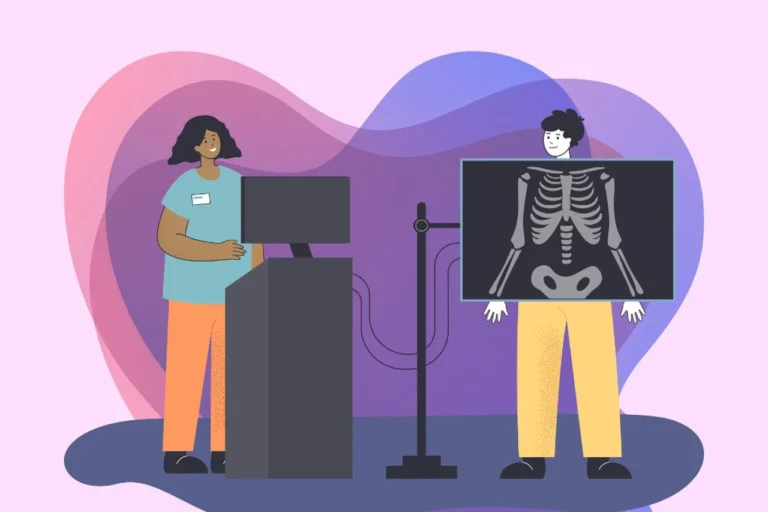
To ensure the safety of attendees, event organizers may implement metal detectors and baggage screening procedures. These security measures help detect prohibited items, such as weapons or dangerous objects, and prevent them from being brought into the event venue.
Event Security Personnel Roles and Responsibilities
Event security involves a diverse range of roles and responsibilities, each contributing to the overall safety and success of the event.
Event Security Manager
The event security manager oversees the entire security operation. They are responsible for developing security plans, coordinating with stakeholders, managing security teams, and ensuring the smooth execution of security protocols.
Security Guards
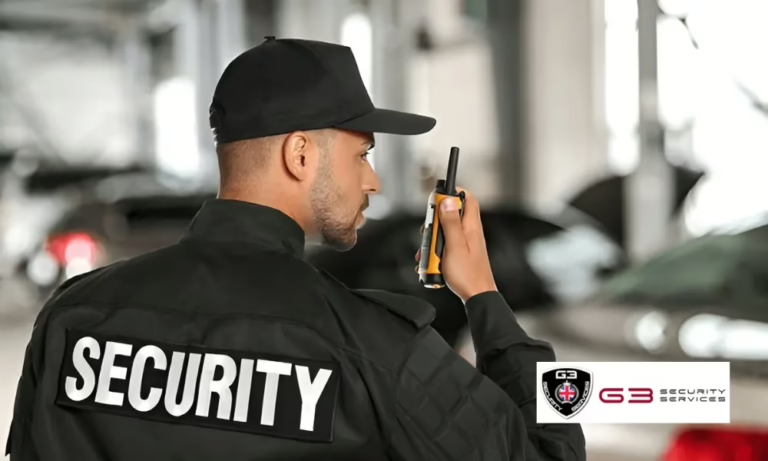
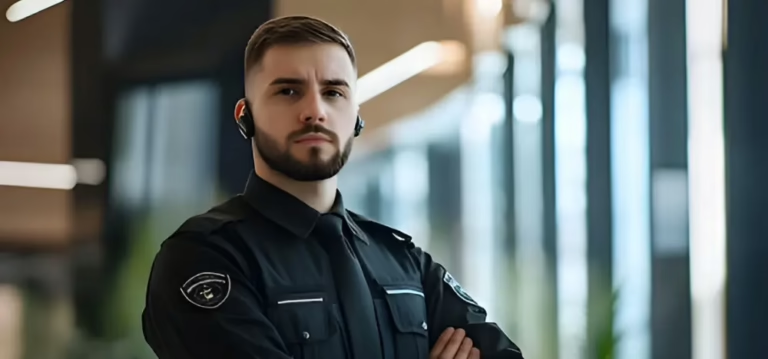
Security guards are the frontline personnel responsible for maintaining security and order during the event. They patrol the premises, monitor crowd behavior, and respond to any security incidents that may arise.
First Aid and Emergency Response Team
A dedicated first aid and emergency response team is an essential component of event security. Trained medical professionals are available to provide immediate medical assistance to attendees in case of injuries or medical emergencies.
Conclusion
Event security plays a vital role in ensuring the safety and success of any event. From managing crowd control to preventing unauthorized access and collaborating with local authorities, security personnel work tirelessly to create a secure environment for all attendees. By hiring professional security services and utilizing advanced security technologies, event organizers can effectively address security concerns and provide a memorable and safe experience for everyone.
For more information on professional security services, you can visit G3 Security.