Physical Security

Physical Security

  • The Rise of the Machines – How Security Robots Are/Aren’t Replacing Human Guards

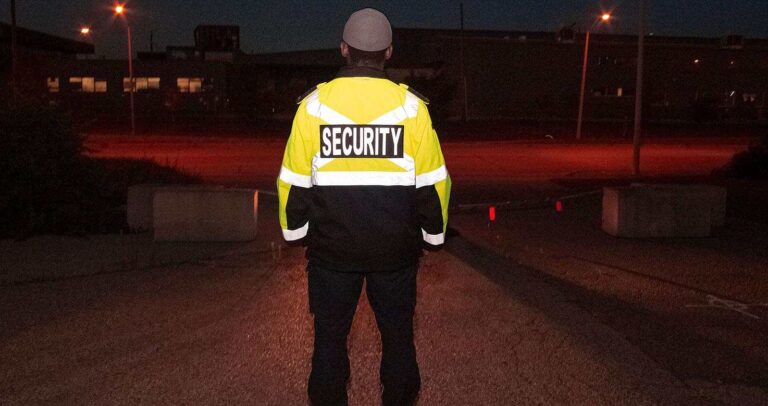
    The security industry is undergoing a profound transformation, driven by technology that promises greater efficiency and resilience. Talk of the rise of the machines is now commonplace, as autonomous security robots—equipped with advanced sensors, AI analytics, and continuous monitoring capabilities—begin patrolling corporate campuses, shopping centers, and industrial facilities. While these robots offer compelling benefits in terms of endurance and data collection, the reality is that the rise of the machines in security is leading not to replacement, but to a powerful partnership between technology and human intelligence.

  • What is Facial Recognition System and How Does It Work?

    Face recognition authentication systems are revolutionizing the landscape of modern security and operational efficiency. By leveraging fast, contactless, and reliable biometric data, facial recognition technology not only modernizes institutional access control but also significantly streamlines business workflows. This advanced technology stands out by offering a seamless balance between robust protection and user convenience.

  • How to Use Hand Detector?

    As security scanning processes become increasingly precise, the expertise required to operate a hand detector is more visible than ever. Correct usage of these devices is not merely a technical detail; it is a fundamental practice that directly impacts the foundation of operational efficiency and safety standards.

  • Factors to Consider When Choosing a Guard Tour Patrol System

    Security patrol systems, one of the indispensable elements of corporate security, are technological solutions that enable personnel to perform their duties regularly and effectively. These systems are critical not only for personnel tracking but also for rapid detection and response of extraordinary situations. Since there are guard tour patrol systems with different features on the market, it can be difficult to choose the right system to suit your needs.

  • Protect Your Home – 20 Tips for Your Safety!

    Our home is not just a place where we reside, but also a special area where we keep our most valuable belongings and feel safe with our loved ones. However, increasing theft cases and cyber threats make home security more important than ever. In this article, you will find 20 practical tips you can implement to protect your home and loved ones. These tips cover a wide range, from traditional methods to smart home technologies, from personal security measures to cybersecurity strategies. Remember, taking proactive home security measures is the most effective way to minimize potential risks. The FBI’s crime statistics emphasize the importance of investing in home security.

  • Securing the Remote Workforce – A New Role for Physical Security Teams?

    Securing the Remote Workforce is no longer just an IT or cybersecurity challenge; it’s a holistic security imperative that is redefining the roles and responsibilities of physical security teams. The massive, enduring shift to remote work has shattered the traditional security perimeter, creating a distributed landscape where the “office” is now hundreds or thousands of individual homes. This new environment demands that security leaders reassess who is responsible for protecting organizational assets, both digital and physical, for the increasingly dispersed remote workforce.

  • How Does a Fingerprint Reader Work?

    Fingerprint readers have become a strategic necessity in today’s businesses. The complex algorithms, sensor diversity and PACS integration processes behind biometric technology are revolutionizing personnel management. Digging deeper into fingerprint reader technology for human resources professionals will unlock operational efficiency that provides a competitive advantage. In this article, we explained the working principle of fingerprint readers and the details of this technology.

  • Post-Breach Forensics – What Happens When a Physical Break-In Becomes a Data Breach?

    The intersection of physical intrusion and digital theft presents one of the most complex challenges in modern security. Post-Breach Forensics in these blended incidents requires specialized expertise to reconstruct the timeline and scope of the damage. When a seemingly isolated physical break-in—such as stolen hardware or unauthorized access to a server room—results in a significant data exposure, the subsequent Post-Breach Forensics investigation must meticulously bridge the gap between tangible evidence and digital logs. Understanding this integrated process is essential for legal compliance, remediation, and preventing future convergence attacks.

  • What is an X-Ray Device? Where is it used?

    X-ray devices, which have an important place in modern security systems, stand out especially with their ability to detect threats quickly and effectively. These devices, which are used in many areas from airports to public buildings, from courthouses to private security points, are of great importance in terms of both ensuring life safety and accelerating operational processes. We have discussed the types and usage areas of x-ray devices in this content.

  • Hotel Room Security – Protect Your Guests and Facility

    In today’s hotel industry, the safety and comfort of guests are the highest priority. Hotel room security is critical to both customer satisfaction and business reputation. Security measures in a modern hotel have become much more comprehensive and technological solutions than simple lock systems. In this article, we will discuss all aspects of hotel room security and in particular hotel door lock with card we will examine the importance of modern systems such as

End of content

End of content