How Interactive CCTV Enhances Emergency Response
In today’s fast-paced world, safety and rapid response are paramount. Interactive CCTV systems have emerged as crucial tools for managing emergency situations effectively. These systems are not just passive surveillance solutions; they enable real-time engagement, remote communication, and immediate action, all of which are vital when every second counts.
What Is Interactive CCTV?
Interactive CCTV refers to a surveillance system that goes beyond mere recording. It allows for two-way communication, remote control, and real-time alerts. Key features often include:
- Live monitoring with video and audio
- Motion and sound detection
- Automated alerts and push notifications
- Remote access via mobile or control centers
- Integration with emergency protocols and response units
These features transform the system from a passive observer into an active participant during emergencies.
How Can CCTV Help in Emergency Situations?
Real-Time Monitoring and Alerts
One of the primary advantages of interactive CCTV is its ability to detect incidents as they happen. With motion sensors and AI-based threat detection, the system can instantly alert security providers and authorities, ensuring a swift response.
Two-Way Communication
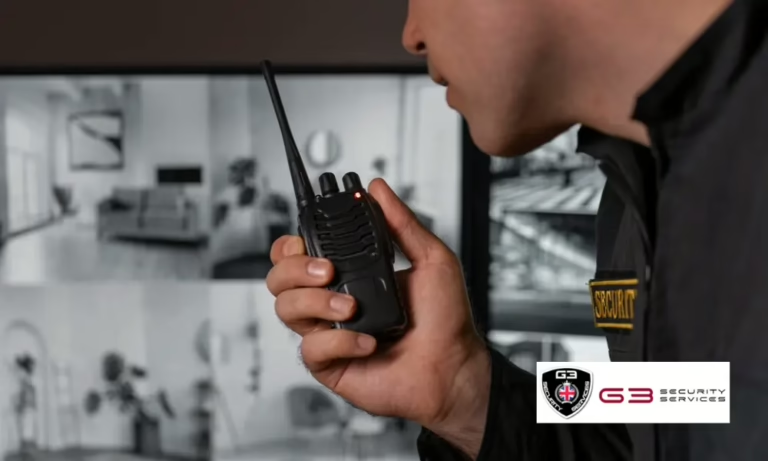
Interactive CCTV cameras often come equipped with built-in microphones and speakers. This allows control room operators to communicate directly with people onsite, providing guidance, calming instructions, or evacuation procedures.
Faster Response Times
Thanks to instant alerts, emergency response teams can be dispatched more quickly. Some systems even allow integration with alarm systems and access control systems, helping to coordinate responses with minimal delay.
Remote Access During Crises
During lockdowns, building evacuations, or hazardous situations, control room operators or authorized personnel can remotely monitor live feeds through secure apps or desktops. This is particularly useful when it is unsafe to be onsite.
Real-Life Use Cases of Interactive CCTV in Emergencies
- Fire in a Warehouse: Sensors detect smoke, an alert is sent to the control center, and staff are warned via speakers before the fire spreads.
- Intruder on School Grounds: Security sees the live feed, communicates with the person through CCTV, and initiates lockdown procedures while authorities are notified.
- Medical Emergency in Public Transport: A commuter faints; the operator sees it, makes a PA announcement, and dispatches medical help to the exact location.
Benefits for Businesses and Institutions
- Proactive Security: Detects and responds to threats before they escalate.
- Improved Public Safety: Helps schools, hospitals, and malls ensure a safer environment.
- Compliance with Safety Standards: Meets regulatory requirements in many industries.
- Reduced Liability: Clear video and audio records help in legal or insurance disputes.
Can CCTV Be Monitored in Real-Time?
Yes, interactive CCTV systems are designed for real-time monitoring. They can be staffed internally or monitored by third-party central monitoring stations (CMS) that operate 24/7. This enables:
- Immediate verification of alarms
- Reduced false alarms
- Direct coordination with emergency response services
How Does CCTV Support Crisis Management?
Interactive CCTV systems support the four phases of crisis management:
- Preparedness: By identifying vulnerabilities and setting automated triggers.
- Response: Through instant alerts and communication tools.
- Recovery: By providing recorded footage for analysis and reporting.
- Prevention: Using data to spot trends and prevent future incidents.
Is Interactive CCTV Worth the Investment?
For any organization that prioritizes safety—especially schools, healthcare facilities, offices, warehouses, and public spaces—interactive CCTV is a cost-effective way to protect lives, assets, and operations. It’s not just about watching; it’s about reacting in real time.
Key Takeaway
Interactive CCTV has redefined how emergencies are handled. It gives organizations the power to respond proactively, not reactively. With features like real-time monitoring, two-way communication, and smart alerts, it serves as both a watchful eye and a responsive guide during crisis situations.
If you’re looking to upgrade your safety strategy, investing in interactive CCTV is a smart move.