Cyberwarfare Exposed: Mastering the Digital Battlefield of the 21st Century
Cyberwarfare: The New Age of Digital Conflict
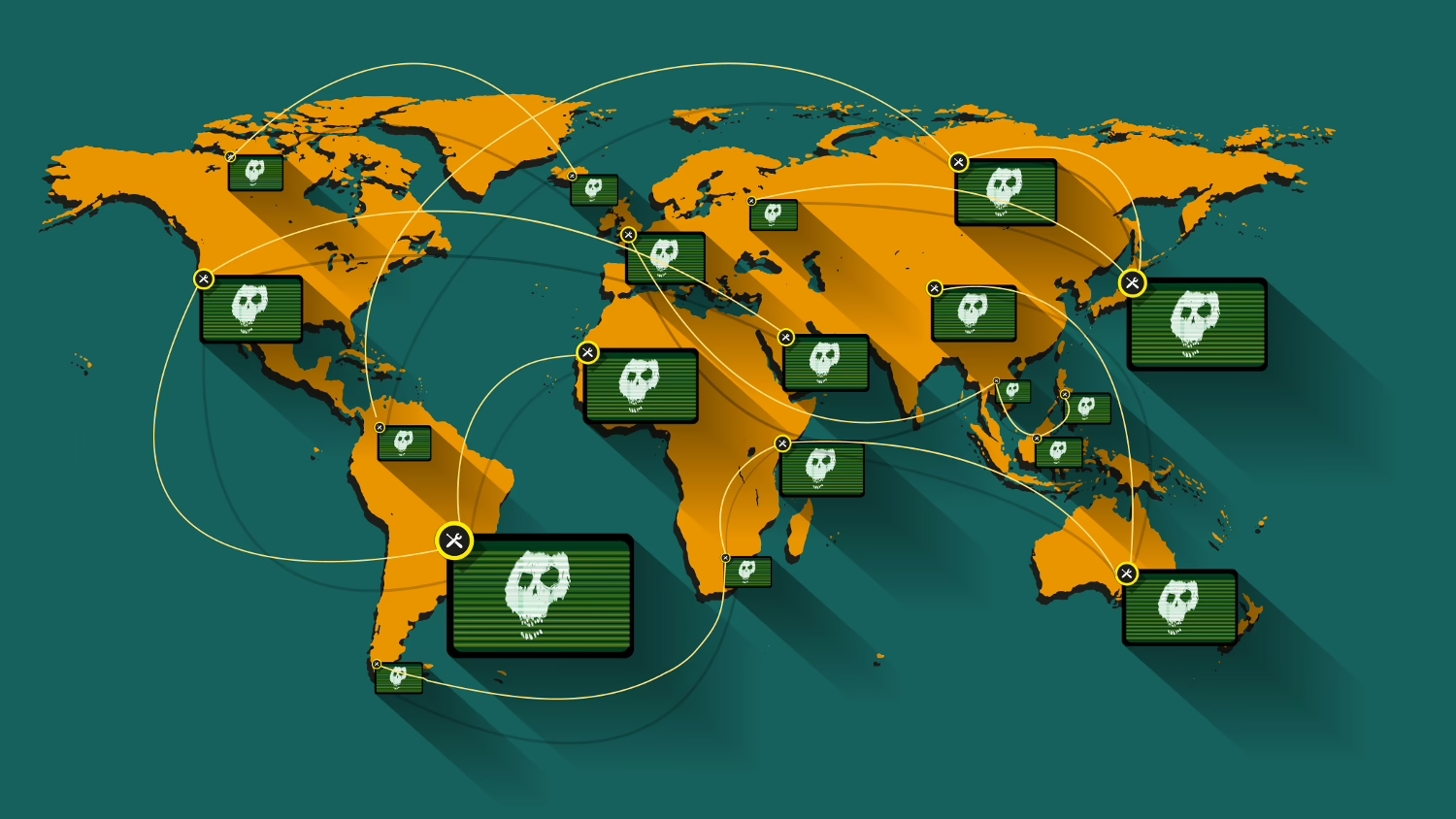
Cyberwarfare has taken center stage in modern conflicts in today’s digital era . With advanced cyber weapons like viruses, worms, and trojans, countries are engaging in complex cyber operations. These operations aim to infiltrate, spy on, and disrupt the critical infrastructure of adversaries. As we move through the 21st century, preparing for cyberwarfare has become as vital as preparing for traditional warfare. Military organizations worldwide are now conducting extensive war games to bolster both offensive and defensive cyber capabilities.
The Surge of Cyber Espionage
Cyber espionage, secretly conducted by nation-states, has become a major concern in global security. Some countries are particularly known for their expertise in this field. Additionally, terrorist groups use cyberwarfare to push their agendas. For example, in January 2020, the Department of Homeland Security warned about potential cyber attacks from Iran due to rising tensions between the US and Iran.
Global Cyberwarfare Capabilities
Experts often rank Russia and China as top-tier cyber aggressors, with Iran and North Korea close behind. It’s challenging to distinguish between different countries in cyber terms, as they often use proxies in each other’s countries to hide their origins. The US, UK, and Israel are considered the West’s top-tier countries, possessing advanced cyber capabilities for both defense and offense.
Iran’s Cyber Threat
Iran has shown its cyberwarfare skills by hacking government websites, disrupting corporate servers, and breaking into email accounts of regime critics. While their actions may seem like cyber vandalism, they are capable of more serious threats. Christopher Krebs, head of the US Cybersecurity and Infrastructure Security Agency, has warned about Iran’s potential to disrupt power grids, manipulate the stock market, and even hack into critical infrastructure like water supply systems and autonomous vehicles.
Protecting Small and Medium-Sized Businesses (SMBs)
While SMBs may not be primary targets for nation-state attacks, taking steps to prevent breaches can make them less vulnerable. Here are ten essential steps every SMB should take to protect themselves from cyber attacks:
Becoming more aware of cyber threats is the first step towards becoming more secure. To learn more about cyberwarfare and how to protect your business, consider signing up for cybersecurity training programs.
For further reading, you can visit the Department of Homeland Security website.