Cybersecurity Careers: Your Gateway to a Thriving Future
Why Cybersecurity?
Cybersecurity is where the action is. With threats multiplying daily, companies are on the hunt for skilled professionals to protect their systems. This field is no longer a niche industry; it’s one of the fastest-growing sectors out there.
The Rising Demand for Cybersecurity Professionals
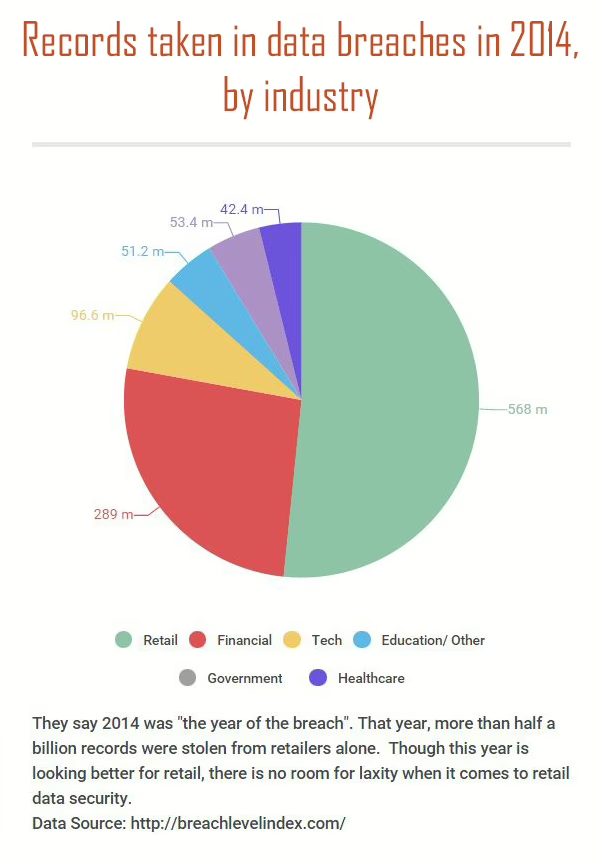
Cybersecurity isn’t just important; it’s critical. With new threats emerging daily, companies are scrambling to keep their data safe. This urgency has created a job market exploding with opportunities for those skilled in digital security.
Why Is Cybersecurity Skyrocketing?
- The Digital Boom: More businesses are moving online, bringing new risks they’re not prepared for.
- Remote Work Chaos: With more people working from home, there are more entry points for hackers. Companies need experts to secure these vulnerabilities.
- Rules and Regulations: Industries like banking and healthcare have laws demanding top-notch security. Non-compliance can lead to severe consequences, driving the need for skilled professionals.
Who’s Hiring in Cybersecurity?
Cybersecurity jobs are not just limited to tech companies. Various sectors are in need of cybersecurity experts:
- Banks: Prime targets for cyberattacks, banks need professionals to keep their money and customers’ data safe.
- Hospitals: Patient records are valuable for hackers. Protecting this data is non-negotiable.
- Government: National security is at stake. The government needs top talent to protect sensitive information.
Job Market Trends
The demand for cybersecurity roles is not slowing down. According to the Bureau of Labor Statistics, there’s a projected 35% growth rate for security analysts over the next decade. This growth rate is significantly higher than most industries, making now the perfect time to enter the field.
Entry-Level Opportunities in Cybersecurity
Breaking into cybersecurity doesn’t have to be daunting. With demand at an all-time high, there are plenty of entry-level roles to get you started, even if you’re fresh out of school or switching careers.
Cybersecurity Analyst Jobs
What’s the Gig? As a cybersecurity analyst, you’ll be the guard at the gate, watching for threats and handling security alerts. Your role will involve monitoring networks, investigating suspicious activity, and keeping hackers out.
Skills to Bring: Knowledge of network security tools, an eye for spotting unusual activity, and quick problem-solving skills.
What’s the Pay Like? Starting salaries can range between $60,000 and $70,000 a year, with significant room for growth.
Jobs for Recent Grads
Fresh out of college? No worries. Companies are looking for eager learners. Many entry-level roles focus more on willingness to learn and grow than on experience.
Examples: SOC (Security Operations Center) analyst, IT security assistant, or junior ethical hacker if you have a curiosity for it.
Junior Business Analyst Roles
If you have a knack for both numbers and policies, this role is for you. Junior business analysts work on aligning a company’s security strategies with its business goals.
Skills That Shine: Analytical thinking, basic cybersecurity know-how, and the ability to translate technical terms into plain English for higher-ups.
Cybersecurity Jobs for Non-Traditional Backgrounds
You don’t need a four-year degree in computer science to break into cybersecurity. Today, companies value skills and certifications just as much as traditional education. Whether you’re self-taught, transitioning from another field, or armed with certifications, there are plenty of opportunities waiting for you.
Jobs Hiring with Cybersecurity Certificates (No Degree)
What’s the Deal? Certifications like CompTIA Security+, CISSP, and CEH (Certified Ethical Hacker) are game-changers. They show employers you have the knowledge without needing a college diploma.
Examples of Roles: Entry-level security analysts, penetration testers, or network administrators.
Pro Tip: Pair a certificate with hands-on practice (through labs or virtual simulations) to stand out even more.
Affiliate Marketing Programs in Cybersecurity
What Is It? A lesser-known path, affiliate marketing in cybersecurity blends technical know-how with sales and promotion. You help market tools like VPNs, firewalls, or antivirus software and earn commissions in return.
Who’s It For? If you have a mix of cybersecurity basics and marketing skills, this is a niche that can pay off.
Why Companies Are Embracing Non-Traditional Candidates
- The Talent Shortage: There just aren’t enough degree-holders to meet demand, so companies are opening up to alternative pathways.
- Diverse Perspectives: People from different industries bring unique problem-solving skills that traditional candidates might not have.
Finding Cybersecurity Jobs Near You
You don’t need to live in a big tech city to find a cybersecurity job. Opportunities are everywhere—local businesses, remote roles, even government offices. It’s just about knowing how to look and making the right moves.
Local Job Search Tips
- Start Small: Don’t overlook local banks, hospitals, or even schools—they all need cybersecurity. Many of these places post jobs on smaller, regional job boards.
- Get Out There: Attend meetups, tech events, or job fairs in your area. Talking to real people can open doors faster than online applications.
- Look Where Others Don’t: Check community websites or bulletin boards where smaller companies might list jobs.
Why Remote Cybersecurity Jobs Are Booming
It Fits the Role: Most cybersecurity work can be done from anywhere as long as you have a secure connection and the right tools.
Where to Search: Use sites like RemoteTechJobs for remote opportunities. Even global companies are hiring for work-from-home roles.
Stand Out Tip: If you’ve worked remotely before, mention it. Employers want people who can stay focused without needing a manager nearby.
Don’t Ignore Government Jobs
City offices, public schools, and local agencies are hiring cybersecurity talent, too. These jobs often come with perks like good benefits and stable hours. You’re also helping protect your community—a big plus.
Hybrid Roles on the Rise
Some companies offer hybrid positions where you work from home most days and come into the office when necessary. If you’re not ready to go fully remote, this is a great middle ground.