Construction Site Security: Your Essential Checklist for Ultimate Protection
Construction sites, bustling with activity, often house valuable assets and equipment that are left unattended, making them prime targets for theft, vandalism, and unauthorized access. To ensure robust security, a comprehensive risk assessment tailored to the site is crucial. This involves identifying potential vulnerabilities and threats. By strategically combining physical barriers, security personnel, and access control measures, construction site managers can significantly mitigate risks, protecting both assets and personnel.
In today’s fast-paced construction industry, site security is vital for project success and worker safety. With evolving technology and increasingly sophisticated security threats, a proactive and multifaceted approach is essential. Prioritizing security measures and adopting best practices can create a secure environment that fosters productivity and peace of mind for all stakeholders.
Conduct a Thorough Risk Assessment
Construction site security begins with a detailed examination of potential risks and vulnerabilities unique to the site. Evaluating factors such as access points, perimeter integrity, lighting conditions, and surrounding terrain provides valuable insights into areas requiring enhanced security measures. Analyzing past incidents and local crime rates helps construction site managers accurately gauge the level of risk and tailor security protocols accordingly.
Engaging with local law enforcement agencies and security experts can offer invaluable guidance in identifying potential security threats specific to the construction site’s location. Collaborative risk assessments enable a comprehensive understanding of the site’s security needs, allowing for the implementation of targeted and effective security solutions. Involving key stakeholders, including project managers, contractors, and subcontractors, fosters a collective commitment to prioritizing security measures throughout the construction process.
Implement Physical Barriers
Erecting robust perimeter fencing around the construction site serves as a primary deterrent against unauthorized access. Reinforced with secure locks and access control systems, these barriers effectively restrict entry to authorized personnel only. The strategic placement of concrete barriers or bollards helps prevent vehicle intrusion into sensitive areas, further bolstering site security.
Integrating technological innovations such as electrified fencing or sensor-based alarm systems can provide an added layer of security, alerting personnel to any attempted breaches in real-time. Regular inspections and maintenance of physical barriers ensure their continued effectiveness in deterring unauthorized access and protecting valuable assets. Collaborating with security specialists during the design and implementation phases ensures that physical barriers are tailored to address specific security concerns and comply with industry regulations and standards.
Employ Security Personnel
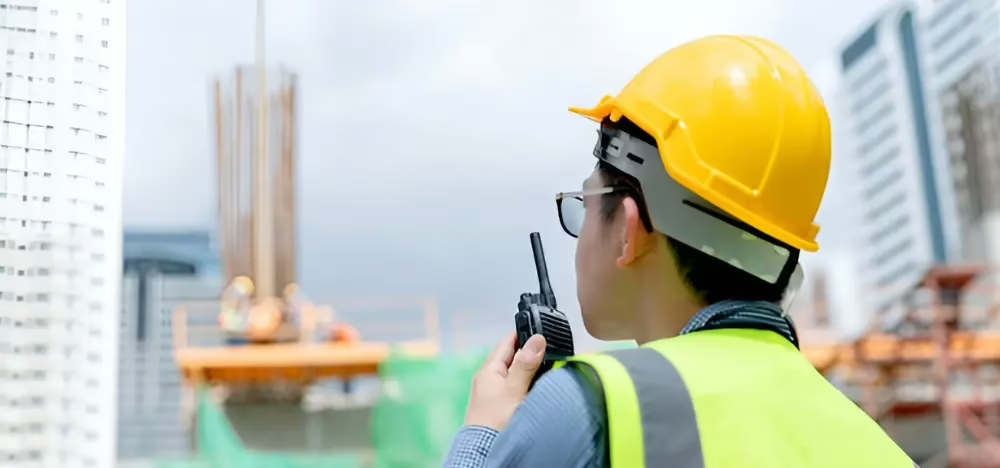
Trained and licensed security guards play a vital role in maintaining construction site security. They provide a visible deterrent to potential intruders and unauthorized personnel. With expertise in construction site security protocols, these professionals ensure 24/7 coverage, including night shifts and weekends. Equipped with communication devices and reflective vests, security personnel uphold safety standards and promptly respond to security incidents.
Security personnel can conduct regular patrols of the construction site, identifying and addressing any security vulnerabilities or breaches promptly. Collaborating with local law enforcement agencies ensures a coordinated response in case of security incidents or emergencies, enhancing overall site security. Providing ongoing training and professional development opportunities for security guards ensures they remain updated on the latest security trends and best practices, enhancing their effectiveness in protecting the construction site.
Enforce Access Control Measures
Establishing stringent access control protocols is essential for regulating the movement of personnel and visitors within the construction site. A robust check-in/check-out procedure ensures accountability, while ID badges or access cards grant authorized individuals controlled entry. Regular audits of access credentials help maintain the integrity of the system, promptly identifying and addressing any discrepancies.
Implementing biometric authentication systems adds an extra layer of security, ensuring that only authorized personnel gain access to restricted areas. Integrating access control measures with time-tracking software allows for accurate monitoring of employee attendance and ensures compliance with work hours. Regular review and updating of access control policies and procedures help adapt to evolving security threats and maintain the effectiveness of the system over time.
Secure Equipment and Materials
Safeguarding valuable equipment and materials is paramount to prevent theft and loss. Proactive measures such as marking items with unique identifiers facilitate easy tracking and identification. Secure storage areas equipped with locking mechanisms provide a safe haven for high-value items when not in use. Implementing inventory management systems enables efficient monitoring of stock levels and rapid detection of any discrepancies or missing items.
Conducting regular inventory audits and inspections ensures that all equipment and materials are accounted for and properly secured. Collaboration with suppliers and subcontractors to establish clear protocols for the handling and storage of materials helps prevent loss or damage during the construction process. Implementing surveillance cameras and motion sensors in storage areas adds an extra layer of security, deterring potential thieves and providing evidence in case of theft or unauthorized access.
Enhance Lighting and Visibility
Adequate illumination is crucial for deterring criminal activity and enhancing visibility across the construction site, particularly during nighttime hours. Bright LED lighting strategically positioned around key areas such as entry points, storage yards, and equipment zones ensures maximum coverage. Motion-activated lighting further optimizes energy efficiency while providing instant illumination in response to movement, enhancing overall security effectiveness.
Utilizing timer systems for lighting can create the illusion of activity even during periods of inactivity, further deterring potential intruders. Regular maintenance of lighting fixtures ensures consistent performance and minimizes the risk of dark spots that could be exploited by criminals.