Beware of Pet Adoption Scams: How to Protect Yourself Online
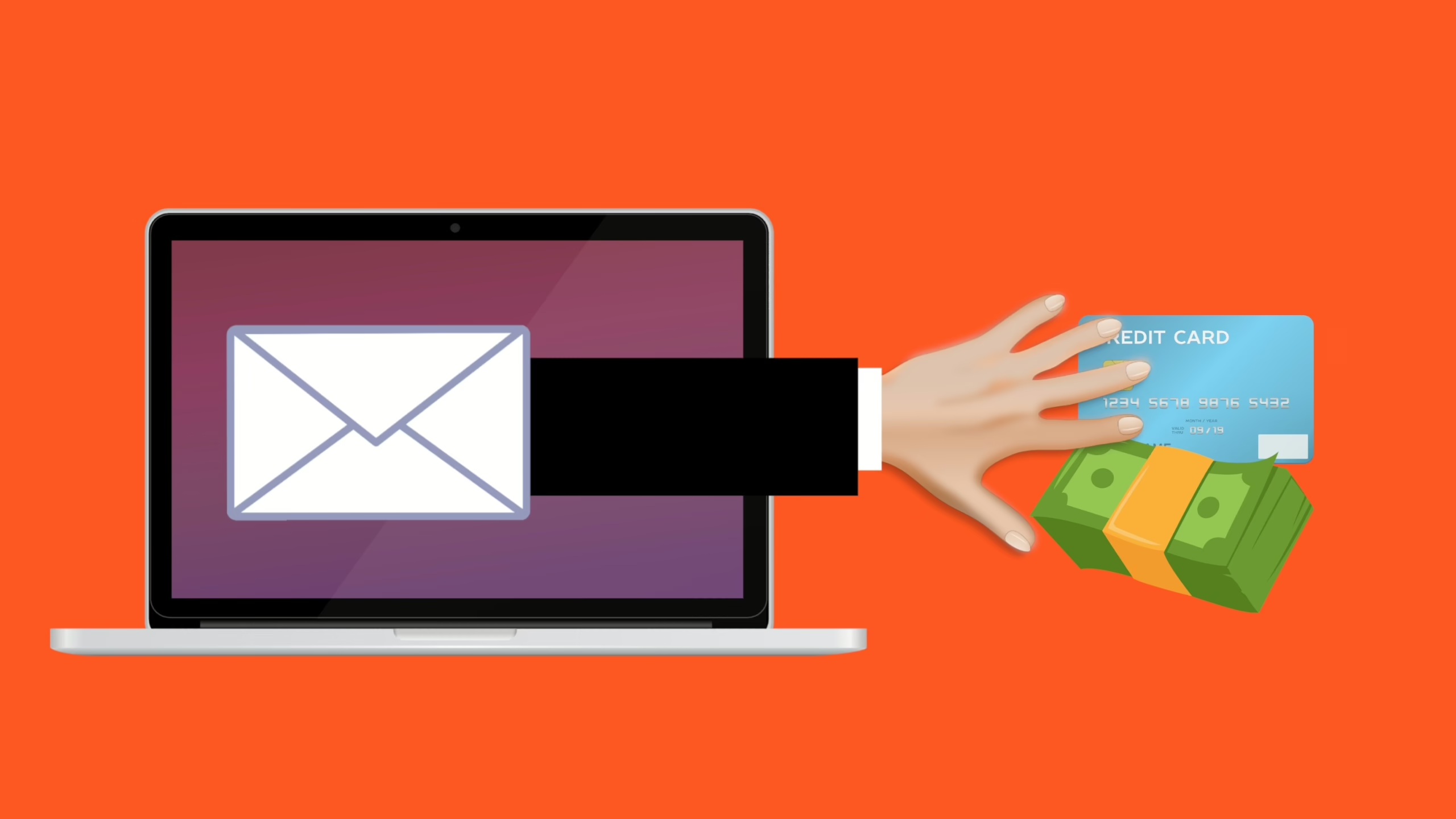
Since COVID-19 was declared a pandemic in early March 2020, hackers have been launching uniquely believable phishing attacks. One of the most common and effective of these attacks is the Fake Pet Adoption Scam. With more people seeking companionship during the pandemic, pet adoptions have surged, and unfortunately, so have pet adoption scams, increasing by more than 50% compared to last year.
How Hackers Exploit Trends
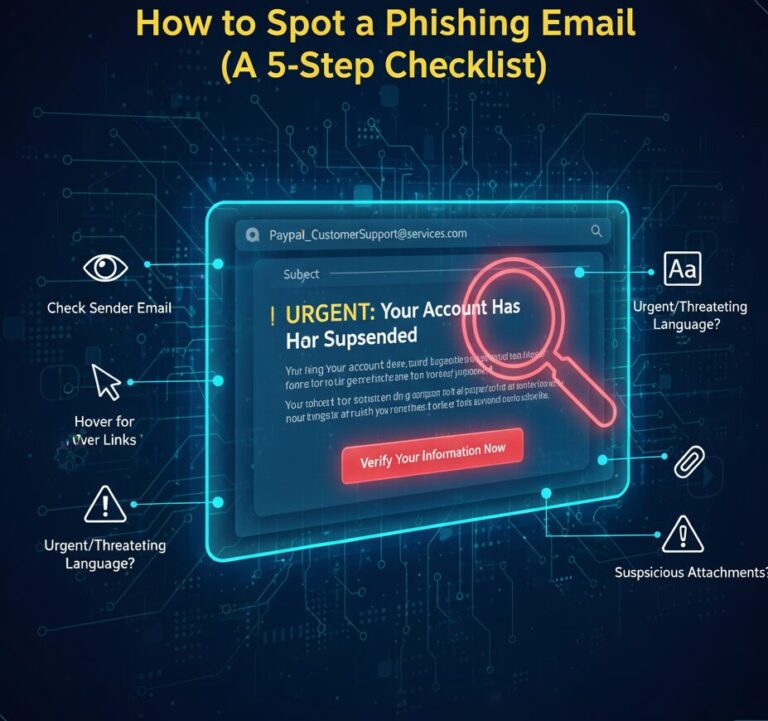
Hackers are adept at exploiting current trends and major news events to trick unsuspecting users. They send phishing emails related to these events, such as fake COVID-19 hospital notifications, to take advantage of naive users. Always be cautious when reviewing emails and be suspicious of unexpected messages urging you to take action. If you avoid clicking on links or opening attachments, you can significantly reduce the risk of malware infections.
Recognizing an Adoption Scam
In the past, pet adoption scams were primarily found on platforms like Craigslist and Oodle. These scams were easier to spot due to poor spelling, grammar, and a lack of pet photographs. However, hackers have become more sophisticated, now using reputable pet adoption websites like PetFinder.com and Petango.com. Their advertisements are almost indistinguishable from legitimate ones, featuring elaborate profiles with cute pictures and interesting biographies for the pets.
How to Identify Fraudulent Adoption Postings
To determine if an adoption posting is fraudulent, follow these steps:
- Research the seller in online forums, looking for positive feedback. Be skeptical, as reviews can be faked.
- Ask detailed questions about the pet’s mannerisms, pedigree, and the breeder.
- Request a reference from the breeder and contact that person to verify their legitimacy.
Tips for Safe Online Shopping
When purchasing goods online, especially from unfamiliar websites, it’s crucial to be vigilant. Follow these recommendations:
- Check the address bar for legitimacy. The website should have a URL that starts with HTTPS, indicating encrypted communications.
- Look for a “padlock” icon next to the URL, signifying a secure site.
- Search Google for reviews of the seller or organization.
- Use Google’s Transparency Report to check the legitimacy of a website.
Inspecting Photos
When inspecting photos sent to you, especially of pets, follow these steps:
- Perform a reverse image search on Google to see if the photo appears elsewhere on the internet.
- Check the metadata of the photo, including the timestamp and GPS data, to ensure it matches the seller’s details.
Verifying Emails
If you’re still unsure about the legitimacy of an email, follow these steps:
- Find the email sender’s IP address by viewing the email header.
- Use an online IP lookup tool to check the location of the IP address and see if it matches the seller’s claimed location.
Stay Aware
It’s essential to stay aware of the threats you face online, especially when looking to adopt a pet. By improving your cybersecurity awareness, you can reduce the likelihood of falling victim to scams. Always be cautious and look out for potential red flags when making purchases at online marketplaces.