What are Access Control Systems? How to Choose?
Access control systems are security solutions that determine who can enter a place or area, when and under what conditions. These systems are used to ensure the security of businesses, institutions and facilities by preventing unauthorized access. Modern access control systems provide effective protection by combining physical security measures with digital technologies.
Basically access control system it allows only authorized persons to log in by restricting access to a specific area. These systems can range from a simple locked door to complex biometric recognition systems.
What are Access Control Systems?
The main access control systems used today are:
Card Pass System
Card access systems’s is one of the most widely used types of personnel passage systems. In this system, users are given cards containing magnetic stripes, barcodes or RFID technology. When the user moves this card closer to the reader or has it scanned, the system recognizes the card and allows or blocks passage according to the authorization status.
Advantages of card access systems include easy operation, affordable cost and the ability to be quickly disabled when necessary. Additionally, these systems can also be used to monitor personnel entry and exit times.
Biometric Transition Systems
Biometric transit systems are systems that authenticate people using their unique physical characteristics. These systems are preferred in areas requiring higher security and eliminate risks such as card loss or theft.
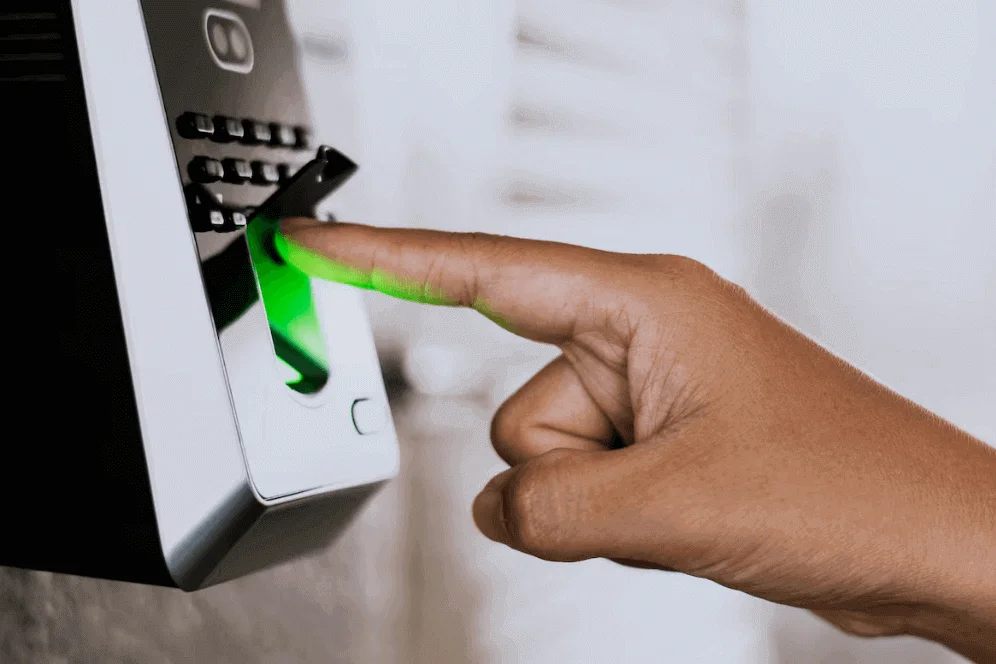
Fingerprint Recognition System
Fingerprint recognition system is one of the most widely used methods among biometric transit systems. This system authenticates people by reading their unique fingerprint patterns.
Fingerprint reader devices convert fingerprint features into digital format and compare them with records in the database. In case of match, the system allows switching. This technology is preferred due to its high accuracy and ease of use.
Facial Recognition System
Facial recognition system it is an advanced biometric transition system that authenticates people by analyzing their facial features. This system creates a digital map by measuring specific points of the face and compares this information with records in the database.
Facial recognition technology has gained popularity, especially after the COVID-19 pandemic, with its contactlessness, fast recognition ability and increased accuracy rate in recent years. In addition, it can be used effectively in crowded areas with its ability to recognize more than one person at the same time.
How to Choose a Access Control System?
Factors to consider when choosing a access control system are:
What are the Access Control System Types?
Access control systems basically fall into two main categories:
Door Access Control Systems
Door access control systems are systems that control doors in buildings. These systems usually have electronic locks QR code tracking system, magnetic door holders and electric door opening mechanisms are used. Door access control systems can be of the following types:
Card Pass System
Integrated into doors card access systems it works through card readers. When the user swipes his card, the system checks authorization and unlocks the door or activates the door opening mechanism in case of confirmation.
Turnstile Systems
Turnstile systems are physical barriers that control one-way passage. These systems work by integrating with card access or biometric recognition systems. Turnstile systems it is divided into the following types: Tripod Turnstiles (which have a three-arm structure and are the most widely used type of turnstile), Height Turnstiles (they are the preferred turnstiles in areas requiring high security, providing full-length barriers), Wing Turnstiles/Wing Barriers (with aesthetic design, preferred in luxury spaces. modern turnstile systems), Fast Pass Turnstiles (turnstile systems that provide fast passage in areas with high traffic).
Biometric Transition Systems
Biometric transit systems are systems that authenticate people using their physical or behavioral characteristics. Since these systems operate without the need for physical elements such as cards or keys, there is no risk of loss or theft.
Fingerprint Recognition System
Fingerprint readers authenticate by reading unique patterns in the user’s fingerprint. These systems are widely preferred because they are highly accurate, easy to use and cost efficient.
Facial Recognition System
Facial recognition system it authenticates by recognizing the person’s facial features through the camera. These systems operate contactless and have the ability to recognize more than one person at the same time. With the developments in artificial intelligence technologies in recent years, the accuracy rates of these systems have increased.
What are the Components of Access Control Systems?
A access control system usually consists of the following components:
Benefits of Access Control Systems
Access control systems provide many benefits to businesses and institutions:
In Which Areas Are Access Control Systems Used?
Access control systems can be used in many different areas:
Frequently Asked Questions
What are Personnel Access Control Systems?
Personnel transition systems are systems that control the entry and exit of employees, ensure security and monitor their working hours; Card access, fingerprint and facial recognition systems are in this category.
What are Automatic Access Control Systems?
Automatic transit systems are technologies that work without requiring manual intervention; RFID card systems, biometric systems, parking barrier systems a license plate recognition systems and Bluetooth/NFC systems are considered in this category.
What is Turnstile Passage System?
Turnstile passage system is integrated systems with various authentication technologies that control one-way passage through physical barrier; Tripod turnstiles, height turnstiles, wing turnstiles and quick pass turnstiles are the main types.