5 Essential Spots to Install AED Devices in Your Business and Why Location is Key
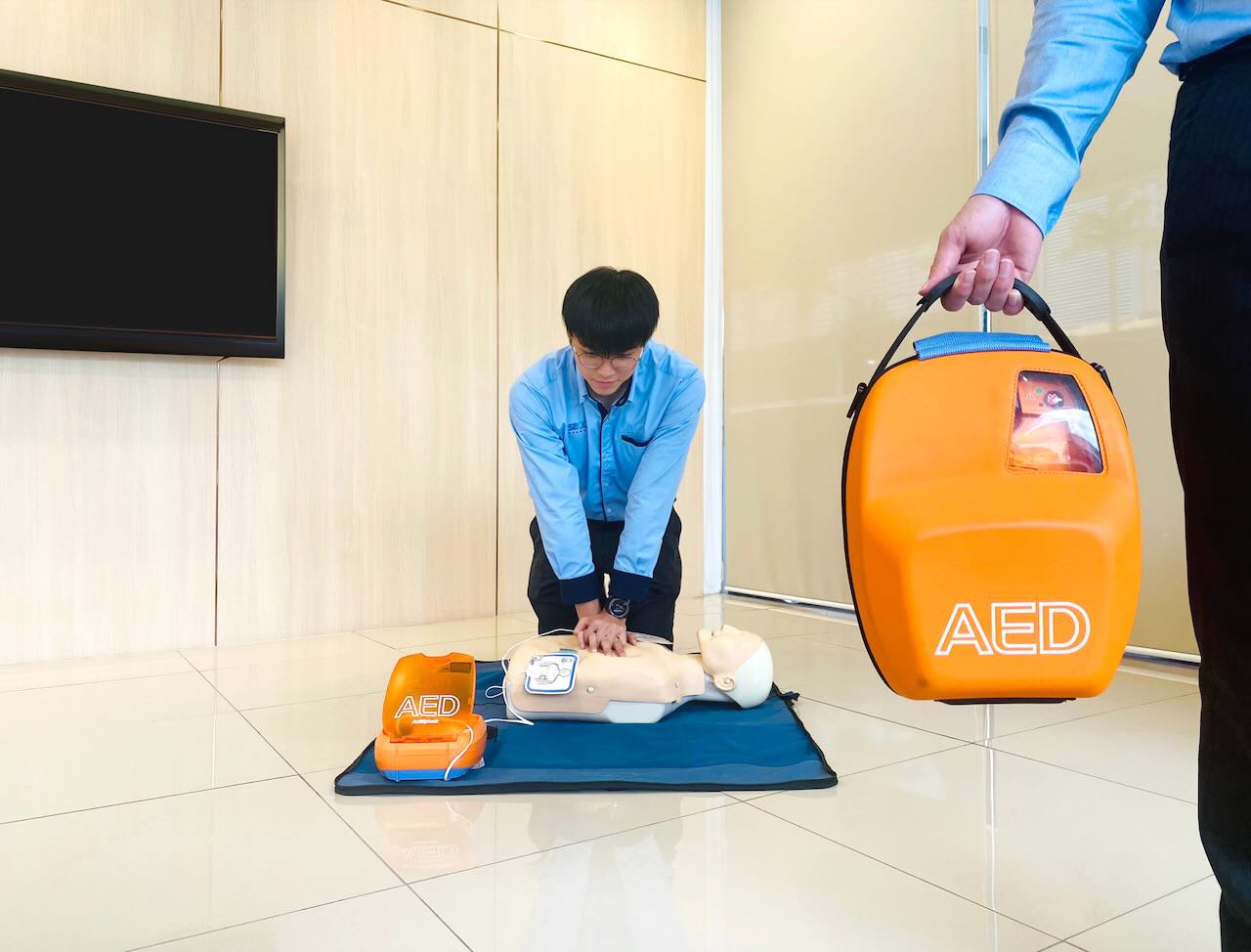
In any business setting, the safety and well-being of employees, customers, and visitors are paramount. An essential safety device that can save lives is the Automated External Defibrillator (AED). This portable device delivers an electric shock to the heart in cases of sudden cardiac arrest, significantly increasing survival rates when used promptly.
However, merely having an AED is not enough. The strategic placement of AED devices within your business premises is equally crucial. This article explores the top five places every business should install an AED and explains why location matters for maximum effectiveness.
Why Location of an AED Device Matters
Time is critical during a cardiac emergency. For an AED to be effective, it must be accessible within minutes. Ideally, an AED should be available within a three-minute walk from any area in the building. Proper placement enhances quick access and reduces hesitation when the device is needed most. A well-placed AED can make the difference between life and death.
Key factors when selecting AED locations include:
- High foot traffic areas
- Visibility and accessibility
- Proximity to individuals at higher risk
- Compliance with safety regulations and standards
Top 5 Locations to Install Your AED Device
1. Reception and Lobby Areas
The reception or lobby is often the first point of contact for visitors, clients, and employees. These areas generally have high foot traffic and are easily accessible. Placing an AED here ensures that it is visible and can be accessed quickly by security personnel, front desk staff, or any passerby during an emergency.
Benefits:
- Immediate visibility to everyone entering or exiting the building
- Accessibility for front-line staff trained in AED use
- Centralized location for quick emergency response
2. Workspaces with High Occupancy
Areas like open office floors, large meeting rooms, or manufacturing sections often accommodate many employees. These are locations where an AED is crucial because it helps serve many people in one go.
Benefits:
- Reduces time to access during an emergency where many people gather
- Supports a larger number of employees or visitors who might need assistance
- Encourages workplace safety culture
3. Near Cafeterias and Break Rooms
Employees spend a considerable amount of time in break rooms and cafeterias. These areas often include seating, rest, and social interaction points. An AED located here can serve both employees and guests quickly, especially in an environment where physical activity levels vary, and emergencies can happen unexpectedly.
Benefits:
- Provides coverage in areas where people relax, potentially lowering staff response times
- Offers a safety net during busy meal hours when incidents might go unnoticed initially
4. Fitness Centers and Sports Facilities Onsite
Many corporate buildings and businesses offer fitness centers or sports facilities. These locations are at higher risk for cardiac events given the physical exertion involved.
Benefits:
- Targeted protection in high-risk zones
- Immediate access for fitness trainers or first responders
- Encourages responsibility towards staff health
5. Entrance to Emergency Exits and Stairwells
Strategically placing AED devices near emergency exits and stairwells ensures that the device is accessible during evacuation or other emergency situations when time is crucial.
Benefits:
- Accessibility during an evacuation or fire emergency
- Multiple access points reduce congestion during emergencies
- Staff passing through these areas frequently increase AED awareness
How to Maximize AED Device Effectiveness in Your Business
- Clear Signage: Use bright, clear signs to highlight the AED location to everyone within the premises.
- Employee Training: Train staff in CPR and AED use to ensure confident and effective response.
- Regular Maintenance: Ensure that your AED device is serviced and batteries are checked regularly.
- Compliance: Follow local legislative requirements and industry best practices for AED placement.
- Accessibility: Avoid placing AEDs in locked or hard-to-reach areas.
Conclusion: Prioritize AED Device Placement for Business Safety
The best AED device in the world is only effective if it is accessible and strategically placed. Businesses must prioritize AED installation in high-traffic, high-risk, and emergency-accessible locations to maximize survival chances during sudden cardiac arrest. By choosing the right placement, providing staff training, and maintaining the equipment regularly, businesses create safer environments for everyone.
Take the first step towards safeguarding your business by installing AED devices in these critical locations. Learn more about quality AED solutions and support services here.
Frequently Asked Questions About AED Devices and Business Security
- What is an AED and why is it important in a business?
An AED (Automated External Defibrillator) is a portable device used to treat sudden cardiac arrest by delivering an electric shock to restore a normal heartbeat. It is crucial in businesses to provide immediate emergency aid and increase survival chances. - Where should an AED be placed in a business environment?
An AED should be installed in high traffic and easily accessible areas such as reception, workspaces, cafeterias, fitness centers, and near emergency exits to ensure quick access during emergencies. - How often should an AED device be maintained?
AED devices should be checked regularly, with battery and electrode pads inspected according to manufacturer guidelines, typically every 6 to 12 months, to ensure they are ready for use in emergencies.